Metal Defects (Leaving Cert Engineering): Revision Notes
📚Revision Notes
Corrosion of Metals
What is corrosion?
Corrosion is the degradation of metals caused by chemical changes or electrical reactions with their surroundings. This process results in material loss and reduced durability as metals form less stable compounds such as oxides or hydroxides. Corrosion occurs naturally and can be accelerated by factors like humidity, oxygen, and corrosive substances.
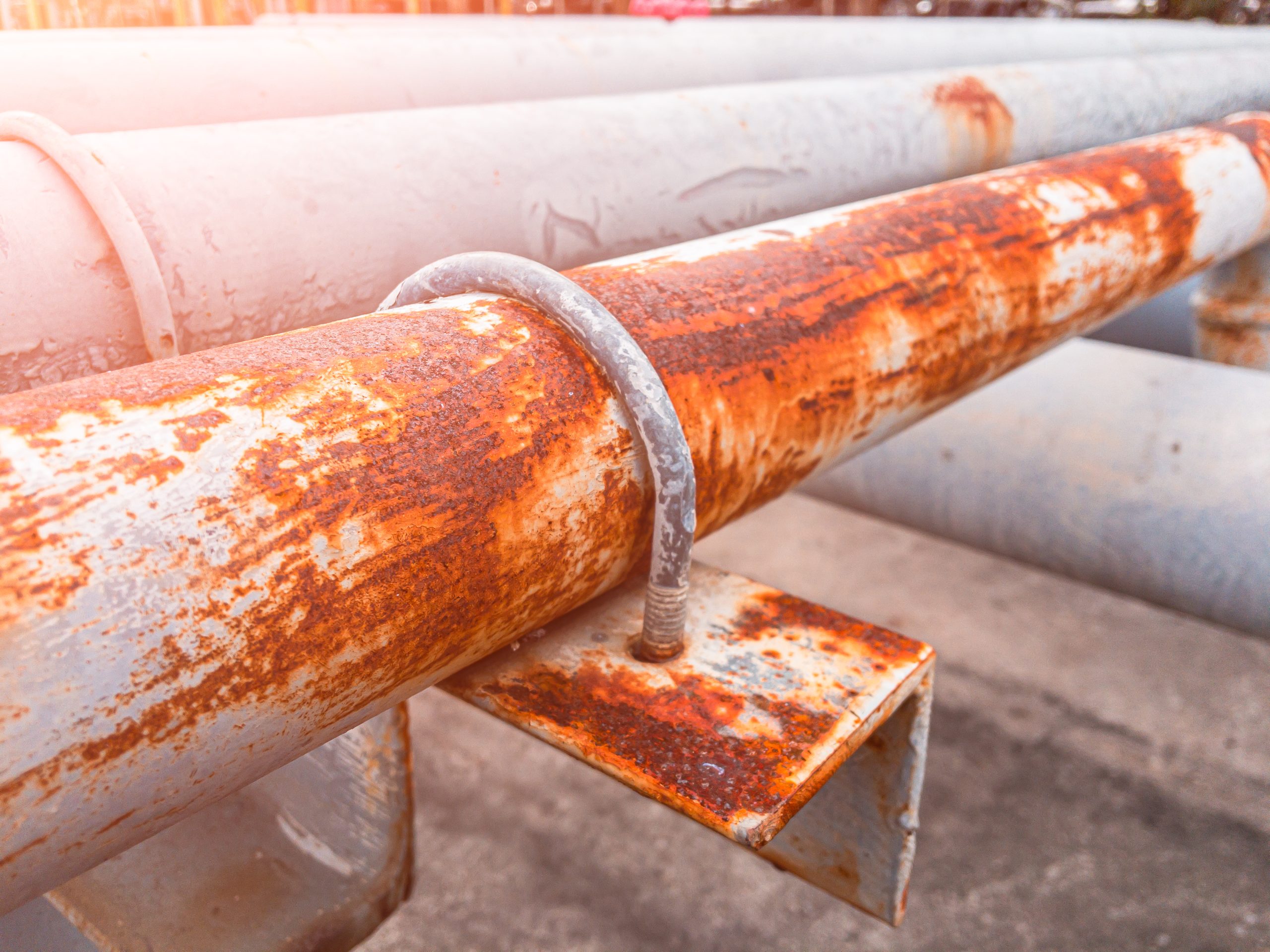
The process slowly damages metals over time through chemical or electrical reactions with their environment. You can observe this in everyday life when iron objects develop an orange or reddish-brown layer - this happens due to rusting, which is a common type of corrosion.
Note
Everyday Observation: The familiar orange-brown rust on iron objects is actually a perfect example of corrosion in action. This visible change represents the metal's reaction with oxygen and moisture in the air, transforming strong iron into weaker iron oxide compounds.
Types of metal corrosion
Understanding the different types of corrosion helps engineers prevent, control, and reduce material degradation. There are several distinct types, each with different characteristics and mechanisms.
Uniform corrosion
Uniform corrosion is the most basic and widespread type of corrosion. It affects the entire exterior surface of a material evenly. This type is considered the mildest because its severity can be easily assessed, and the resulting consequences are predictable. The damage spreads consistently across the surface, making it relatively straightforward to monitor and test.
Crevice corrosion
Crevice corrosion occurs in small, confined spaces where there are differences in ion concentration between two areas of a metal. This type develops in narrow gaps where access to the broader environment is restricted, often leading to rapid metal breakdown in these localised areas.
Stress corrosion cracking
Stress corrosion cracking happens when metal experiences both mechanical stress and exposure to a corrosive environment, particularly at high temperatures. The stress can result from external forces, temperature changes, or manufacturing processes.
Important
Critical Warning: Unlike regular corrosion, stress corrosion cracking creates small, difficult-to-detect cracks that weaken the metal structure and can cause sudden failure. This makes it particularly dangerous as it may not be visible until catastrophic failure occurs.
Galvanic corrosion
Galvanic corrosion occurs when two different metals come into contact in a wet or salty environment, causing one metal to corrode faster than the other. Factors such as temperature and surface finish influence this process. This is particularly problematic in large structures with different metals, such as buildings or machinery, if not properly designed.
Causes of corrosion
Metals corrode when they react with substances such as oxygen, water, acids, and other chemicals. Corrosion can also occur when metals experience excessive mechanical stress, causing materials to crack.
Environmental factors
Environmental conditions that promote metal corrosion include moisture, oxygen, temperature, pollutants, and soil components. Excess moisture accelerates oxidation, while acidic or saline environments enhance electrochemical reactions that lead to corrosion.
Water exposure
Note
Major Corrosion Risk: Water exposure represents one of the biggest risks for metals. This explains why metals used in underwater applications like plumbing pipes and submarine hulls must demonstrate exceptional resistance to corrosion due to their continuous exposure to corrosion-inducing factors.
Real-world examples of corrosion
Rusting of iron
Rusting of iron is a common example of metal corrosion that occurs when iron reacts with moisture and oxygen in the environment. This electrochemical process creates hydrated iron oxide, which weakens the metal's structure over time. It causes material degradation, reduced strength, and potential failure in buildings, vehicles, and infrastructure.
Tarnishing of silver
The tarnishing of silver happens when silver reacts with sulphur compounds in the air, forming a blackish layer of silver sulphide. This chemical reaction reduces the metal's brightness and appearance. Tarnishing is influenced by humidity, pollution, and contact with substances like rubber.
Green patina on copper
The green patina on copper develops due to prolonged exposure to oxygen, moisture, and pollutants like sulphur dioxide. This reaction creates copper carbonate or copper sulphate, producing the characteristic greenish coating. Protective coatings, cathodic protection, and material selection help reduce corrosion and extend structural lifespan.
Corrosion in marine environments
Corrosion in marine settings occurs due to constant exposure to saltwater, oxygen, and humidity, which accelerates metal degradation. Ships, offshore platforms, and pipelines experience electrochemical reactions that lead to rust, pitting, and structural weakening. Protective coatings, cathodic protection, and corrosion-resistant alloys help reduce damage and extend metal lifespan in harsh marine conditions.
Corrosion testing and monitoring
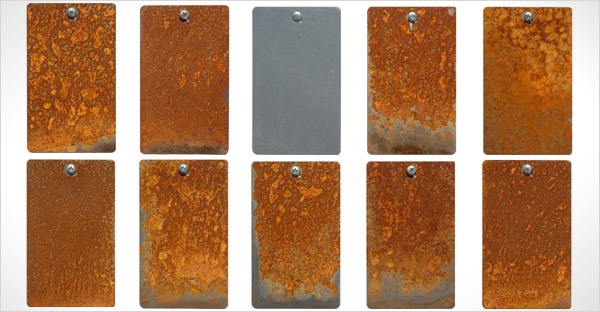
Corrosion testing involves assessing a material's resistance to corrosion under replicated or controlled environments, such as in laboratory settings. Corrosion monitoring focuses on observing and evaluating how materials behave under actual working conditions using various techniques and tools.
Why testing and monitoring are important
Corrosion testing and monitoring prevent material degradation, ensuring safety, durability, and cost-effectiveness across various industries and environments.
Preventing failures
Important
Critical Safety Consideration: Corrosion can cause structural deterioration, decreased performance, and safety hazards, leading to costly repairs, equipment failure, and environmental risks. Monitoring and testing enable early detection, ensuring durability, reliability, and operational efficiency.
Extending asset durability
Understanding corrosion rates and applying effective control strategies can significantly extend asset lifespan. By reducing maintenance costs, preventing unexpected failures, enhancing safety, and ensuring optimal performance in industries like construction, transportation, and manufacturing.
Reducing costs
Note
Economic Benefits: Proactive corrosion monitoring and testing help optimise maintenance schedules, minimise downtimes, and reduce repair costs. This approach also improves asset reliability, enhances safety, prevents environmental hazards, and ensures compliance with industry standards and regulations.
Prevention methods
Preventing metal corrosion involves several approaches, including using coatings, inhibitors, cathodic protection, selecting appropriate materials, controlling environmental conditions, and performing regular maintenance. Effective prevention methods include:
- Using rust-resistant metals such as stainless steel or aluminium
- Keeping metal surfaces clean and dry to minimise corrosion risk
- Applying drying agents to absorb moisture
- Using protective layers such as grease, oil, paint, or carbon fibre finishes
- Surrounding underground parking structures with protective backfill layers like limestone
- Implementing sacrificial anodes as part of cathodic protection systems
By applying these methods, engineers can enhance the durability and performance of metal structures.
Factors affecting corrosion
Corrosion is a natural electrochemical process that causes metal deterioration through reactions with moisture, air, or environmental substances.
Reactivity of metal
The reactivity of a metal determines its susceptibility to corrosion. More reactive metals tend to corrode faster. For example, alkali metals and alkaline earth metals are highly reactive and corrode more readily than noble metals like gold and platinum.
Presence of electrolytes
The presence of electrolytes, such as salts in water, can significantly increase corrosion rates. Electrolytes facilitate ion movement, which enhances the electrochemical reactions that cause corrosion. For instance, saltwater accelerates metal corrosion compared to pure water.
Temperature
Temperature is another critical factor affecting corrosion. As temperature increases, corrosion rates typically increase as well. Higher temperatures enhance the kinetic energy of molecules involved in the corrosion process, leading to faster reactions.
Remember!
Summary
Key Points to Remember:
- Corrosion is the degradation of metals through chemical or electrical reactions with their environment, resulting in material loss and reduced durability
- Four main types of corrosion are uniform (even surface damage), crevice (localised in confined spaces), stress corrosion cracking (under mechanical stress), and galvanic (between different metals)
- Environmental factors like moisture, oxygen, temperature, and electrolytes are the primary causes of metal corrosion
- Prevention methods include using corrosion-resistant materials, protective coatings, cathodic protection, and controlling environmental conditions
- Testing and monitoring are essential for early detection, preventing failures, extending asset life, and reducing maintenance costs