Nature of Forces (Leaving Cert Engineering): Revision Notes
📚Revision Notes
Torsion (Twisting Force)
What is torsion?
Torsion is a specific type of force that engineers must understand when designing components that will experience twisting motions. Unlike simple pushing or pulling forces, torsion involves more complex rotational movements that can cause materials to fail in unique ways.
Note
Torsion force can be defined as two twisting forces that act in different directions on the same piece of material. Think of it like wringing out a wet towel - you're applying twisting forces in opposite directions at different points along the material.
How torsion works
When a torsion force is applied to a material, one end experiences a twisting motion in one direction while another part of the same component experiences twisting in the opposite direction. This creates internal stresses within the material that can lead to failure if the forces exceed the material's capacity to resist them.
Important
The key characteristic of torsion is that the twisting forces act on the same piece of material but in different directions. This creates a rotational stress pattern that spirals through the component, which is quite different from the stress patterns created by tension, compression, or bending forces.
Real-world applications
Automotive engineering
Torsion forces are particularly important in automobile engineering, especially when dealing with drive shafts. These components are critical for transferring rotary power from a car's engine to its wheels.
Drive shafts must be designed to handle significant torsion forces because they constantly experience twisting motions during normal vehicle operation. The engine creates rotational force that must be transmitted through the drive shaft to turn the wheels.
Practical example
Example
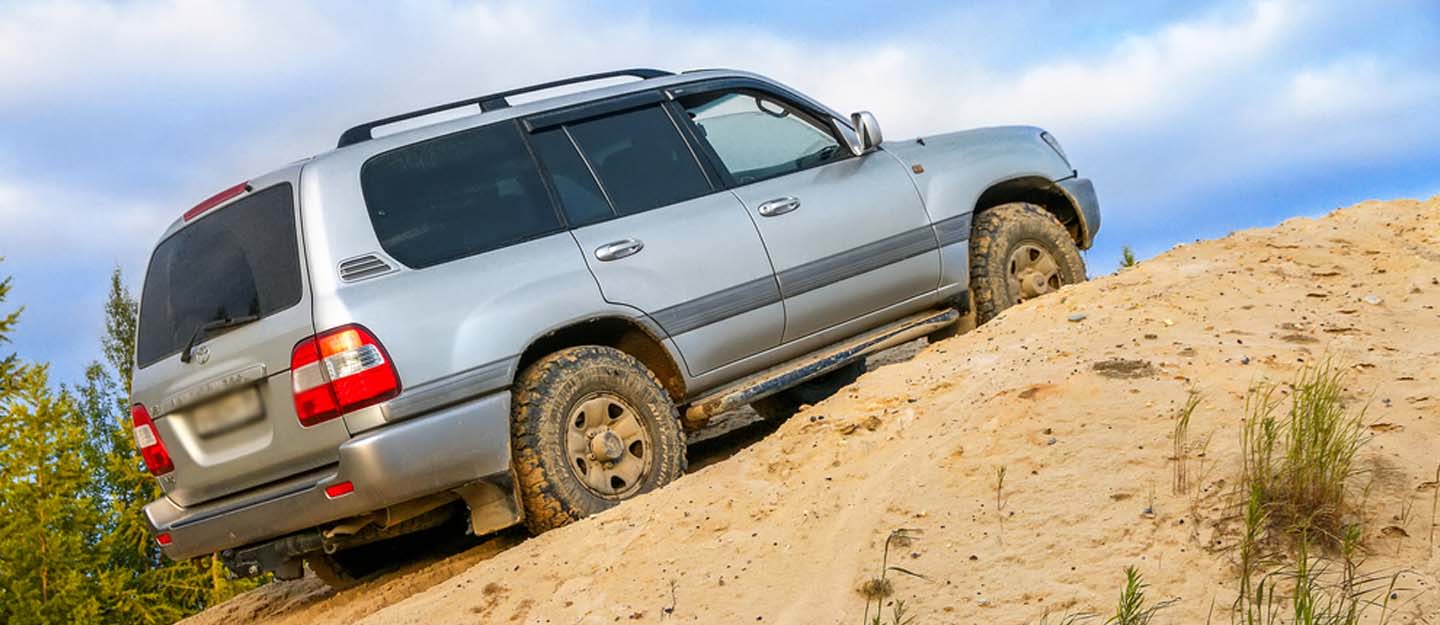
Real-World Example: Car Driving Uphill
Consider what happens when a car drives up a steep hill. The engine works harder to maintain speed, creating more rotational force. However, there's also resistance from gravity trying to roll the car backwards down the hill. This resistance creates an opposing twisting force on the drive shaft.
The result is that the drive shaft experiences twisting forces in different directions - the engine's rotational power trying to turn it one way, while the resistance from the hill creates an opposing twisting effect. This is a perfect example of torsion in action.
Engineering considerations
When engineers design components that will experience torsion, they must consider several critical factors:
- Material selection: Different materials have varying abilities to resist twisting forces
- Component geometry: The shape and dimensions affect how well a part can handle torsion
- Safety factors: Components must be able to handle forces well beyond normal operating conditions
- Failure modes: Understanding how materials fail under torsion helps prevent catastrophic breakdowns
Note
Materials that perform well under torsion typically have good shear strength and can resist the spiral stress patterns that develop during twisting.
Key takeaways
Summary
Key Points to Remember:
- Torsion involves two twisting forces acting in different directions on the same material
- Drive shafts in cars are prime examples of components that must resist torsion forces
- Torsion creates spiral stress patterns that are different from other types of forces
- Automotive engineering relies heavily on understanding torsion for power transmission systems
- Real-world resistance (like driving uphill) creates the opposing forces that result in torsion