Shear Force (Leaving Cert Engineering): Revision Notes
📚Revision Notes
Shear Force
Understanding shear force is essential for materials science and engineering design. This type of force can cause sudden and catastrophic failure in materials, making it crucial to recognise where and how it occurs.
What is shear force?
Shear force occurs when two opposing forces act on a material at different points or in different directions. Unlike other forces that act in a single direction, shear forces create a sliding or cutting action that can cause materials to fail suddenly and without warning.
The key characteristic of shear force is that it tries to make one part of a material slide past another part. This creates internal stress that can lead to fracture if the applied force exceeds the material's shear strength.
Note
The key characteristic of shear force is its ability to create a sliding action between different parts of a material, which distinguishes it from other types of forces that act uniformly in one direction.

How shear forces work
Understanding shear forces becomes much clearer when we consider practical examples of how they operate in everyday situations.
Example
Worked Example: Scissors Cutting Paper
Think of a pair of scissors cutting through paper - this is the perfect demonstration of shear force in action:
Step 1: One blade presses the paper down
Step 2: The other blade presses the paper up
Step 3: These opposing forces create a shear action
Step 4: The paper tears along the line where the forces meet
This shows how shear forces work by creating opposing actions at different points on the same material.
In engineering applications, shear forces commonly affect:
- Bolts and fasteners - when excessive loads try to slide components apart
- Drive shafts - when rotational forces become too great
- Structural joints - where different parts of a structure meet
Effects of shear force
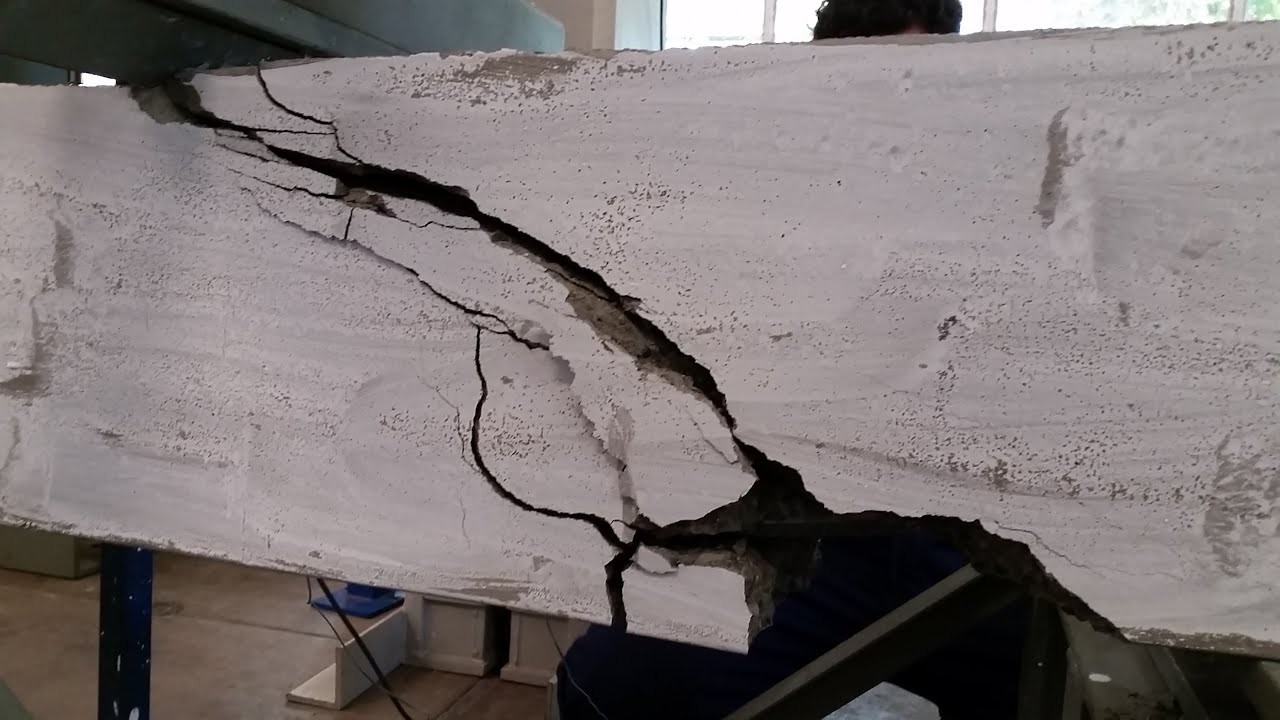
The most dangerous aspect of shear force is that it can cause sudden failure. Unlike tension or compression forces, which often show warning signs like bending or cracking, shear failure happens quickly and catastrophically.
Important
Critical Warning: Sudden Failure Risk
Shear failure is particularly dangerous because it occurs without warning signs. While other types of forces often produce visible deformation or cracking before failure, shear forces can cause immediate and catastrophic material failure with no advance indication.
When a material experiences shear failure, it typically:
- Fractures along the line where opposing forces meet
- Shows little visible deformation before failure
- Fails without the gradual warning signs seen in other types of force
Engineering considerations
Engineers must carefully consider shear forces when selecting materials and designing components. The challenge lies in finding materials that can resist shear forces whilst also meeting other design requirements.
Material selection becomes critical because different materials have varying abilities to resist shear forces. Some materials that perform well under tension or compression may be vulnerable to shear failure.
Note
Design Challenge
The main challenge for engineers is that a material's performance under tension or compression doesn't necessarily predict its performance under shear forces. This requires specific testing and consideration of shear strength properties during the design process.
Context within nature of forces
Shear force is one of five main types of forces that engineers must consider:
- Tension - pulling forces that stretch materials
- Compression - squeezing forces that compress materials
- Bending - complex forces that combine tension and compression
- Torsion - twisting forces that rotate materials
- Shear - opposing forces that cause sliding failure
Understanding how these forces interact helps engineers design safer, more reliable structures and components. Each type of force requires different material properties and design considerations to ensure safe operation.
Remember!
Summary
Key Points to Remember:
- Shear forces occur when two opposing forces act at different points on a material
- The scissors cutting paper analogy perfectly demonstrates how shear forces work
- Shear failure is dangerous because it happens suddenly without warning signs
- Bolts, shafts, and joints are particularly vulnerable to shear forces
- Material selection must consider shear strength alongside other mechanical properties