What is Steel? (Leaving Cert Engineering): Revision Notes
📚Revision Notes
What is Steel?
Definition and composition
Steel is a metallic alloy made primarily from iron and carbon, with carbon content not exceeding 2%. This fundamental combination creates one of the most important engineering materials used worldwide.
The basic composition of steel includes:
- Iron: Forms the base metal (typically 70-99% depending on steel type)
- Carbon: Essential alloying element (up to 2% maximum)
- Additional elements: Small amounts of manganese, chromium, nickel, and other elements added for specific properties
These additional alloying elements are crucial because they determine how steel is categorised and graded. The precise amounts of different elements control the final properties and performance characteristics of the steel.
Important
The 2% carbon limit is critical - exceeding this threshold transforms the material from steel into cast iron, which has completely different properties and applications.
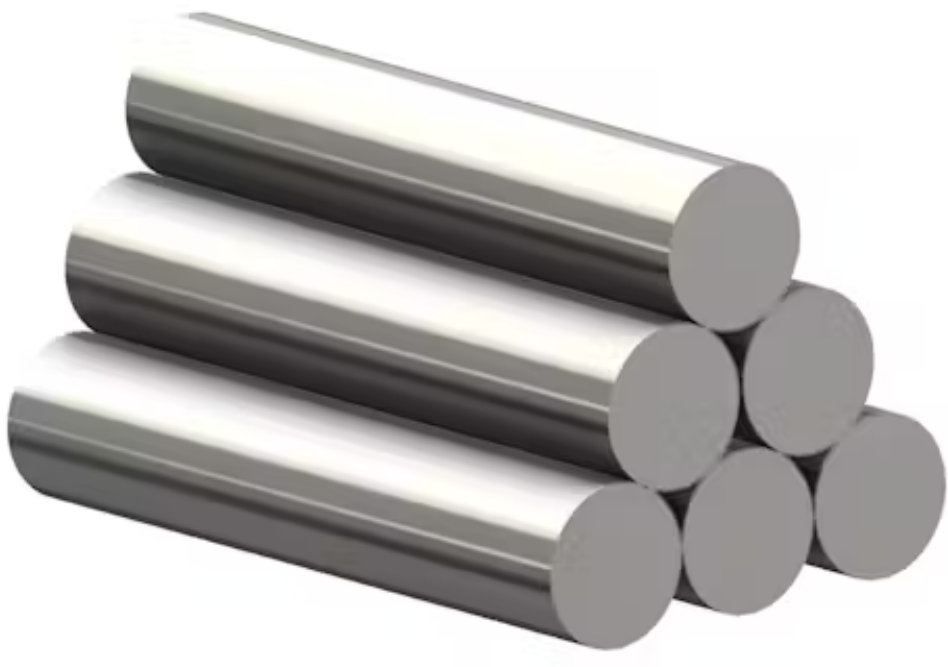
Manufacturing process
Steel production involves melting iron ore using either a blast furnace or electric arc furnace method. The blast furnace process uses iron ore and coke (purified coal), while the electric arc furnace method uses submerged electrodes to create hot arcs that melt the metal.
During production, alloying elements are added to the molten steel, which is then cast, rolled, and shaped. Various treatments such as annealing or tempering may be applied depending on the intended use.
Note
The choice between blast furnace and electric arc furnace methods depends on factors such as available raw materials, energy costs, and production scale. Electric arc furnaces are particularly useful for recycling scrap steel.
Key properties of steel
Steel possesses several important engineering properties that make it suitable for diverse applications:
Mechanical properties
Strength: Steel can withstand high loads without failure. This makes it ideal for structural applications like beams and frameworks.
Ductility: Steel demonstrates flexibility, allowing it to be shaped into various forms during manufacturing. This property is particularly valuable in applications requiring complex shapes.
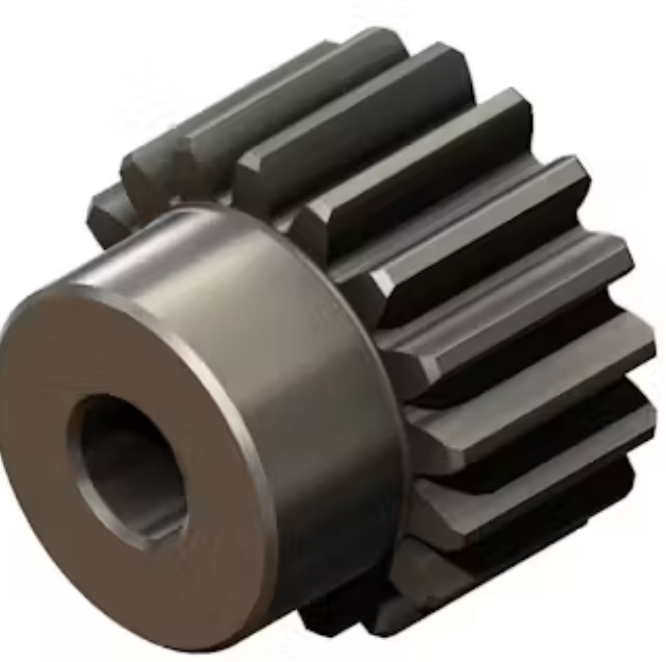
Hardness: Steel shows excellent resistance to surface deformation. Tool steels, for example, can achieve hardness values ranging from Brinell hardness numbers (kg/mm²).
Note
The relationship between strength and ductility is inverse - as strength increases, ductility typically decreases. Engineers must balance these properties based on application requirements.
Physical properties
Tensile strength: Most steels exhibit tensile strength values between MPa, indicating their ability to resist pulling forces.
Thermal conductivity: Steel conducts heat moderately well, with carbon steel typically showing values of W/(m·K).
Thermal expansion: Steel expands when heated, with austenitic stainless steels showing expansion coefficients of m/(m·°C).
Major types of steel
1. Stainless steel
Stainless steel contains chromium (and often nickel) which provides excellent corrosion resistance. Common grades include 304 and 316 stainless steels.
Key characteristics:
- Excellent corrosion resistance
- Minimal oxidation (forms protective passive film)
- Non-reactive in most environments
- Can be magnetic or non-magnetic depending on grade
Applications: Food and beverage processing, acidic environments, medical equipment
Note
The protective passive film that forms on stainless steel is self-healing, meaning that if scratched, it will naturally reform when exposed to oxygen.
2. Carbon steel
Carbon steel represents one of the simplest steel alloys, typically categorised into three groups based on carbon content:
- Low carbon: 0.05% to 0.3% carbon
- Medium carbon: 0.3% to 0.6% carbon
- High carbon: 0.6% to 2% carbon
Key characteristics:
- Limited corrosion resistance
- Significant oxidation, particularly in moist environments
- Reactive with oxygen
- Magnetic properties
- Good stability
The carbon content directly influences the steel's ductility and brittleness - higher carbon content generally increases strength but reduces ductility.
Important
Carbon Content Trade-off: Remember that increasing carbon content strengthens steel but makes it more brittle. This is why low-carbon steels are used for applications requiring formability, while high-carbon steels are reserved for tools and cutting applications.
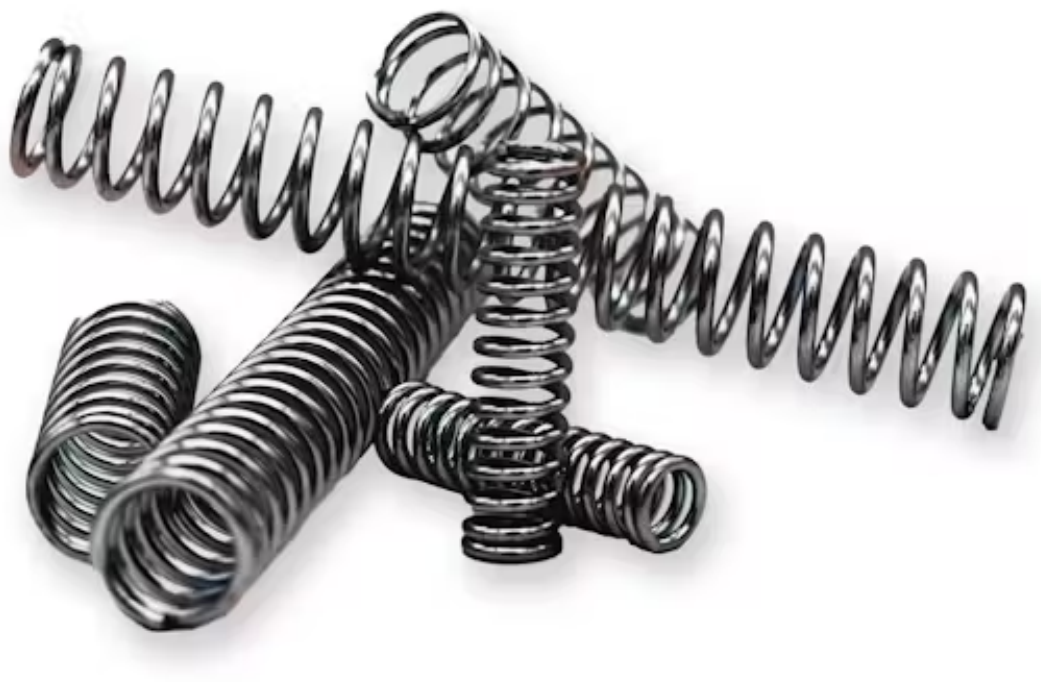
3. Alloy steel
Alloy steels contain additional elements beyond iron and carbon, such as chromium, nickel, molybdenum, manganese, and silicon. These steels are classified as:
- Low-alloy steel: Under 8% of other elements
- High-alloy steel: Above 8% other metals
Applications: Specialised engineering applications requiring specific property combinations
4. Tool steel
Tool steel is specifically designed for making tools, bits, and dies. It contains 0.7-1.5% carbon and small amounts of manganese.
Key characteristics:
- Heat treated to achieve high strength
- Excellent hardness properties
- Durable under demanding conditions
Applications: Cutting tools, dies, precision instruments
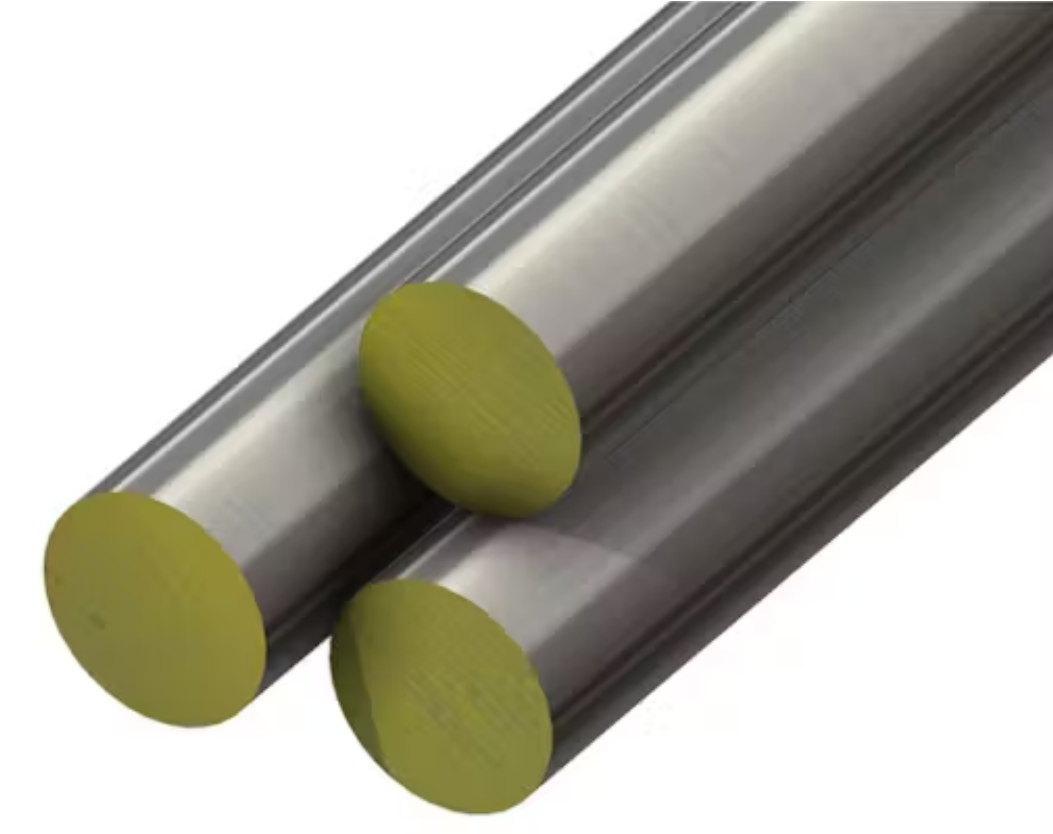
5. Weathering steel
Weathering steel is formulated to resist outdoor conditions and various weather exposures. The chromium, nickel, and copper content help form an oxidised protective layer that prevents further corrosion.
Applications: Outdoor structures, architectural elements, marine environments
6. Electrical steel
Electrical steel contains approximately 2-3.5% silicon and is specifically designed for electrical applications. It often includes tungsten and molybdenum and receives heat treatment to optimise its electrical properties.
Applications: Electrical transformers, motors, generators
Note
The silicon content in electrical steel reduces energy losses in magnetic applications by increasing electrical resistance and reducing eddy currents.
Applications and uses
Steel finds applications across numerous industries due to its versatility:
- Construction: Structural beams, reinforcement bars, building frameworks
- Transportation: Cars, trains, ships, bridges
- Tools and machinery: Cutting tools, gears, springs, fasteners
- Consumer goods: Appliances, cookware, packaging
- Medical: Surgical instruments, implants
- Energy: Power generation equipment, pipelines
The wide range of steel types allows engineers to select the most appropriate grade for specific applications, balancing factors such as strength, corrosion resistance, cost, and manufacturing requirements.
Summary
Key Points to Remember:
- Steel is iron plus carbon (maximum 2% carbon content) with additional alloying elements for specific properties
- Different steel types serve different purposes: stainless for corrosion resistance, carbon steel for general applications, tool steel for cutting applications
- Key properties include strength, hardness, ductility, and thermal characteristics that can be measured and specified
- Manufacturing process involves melting iron ore and adding controlled amounts of alloying elements
- Applications are diverse ranging from construction and transportation to medical devices and consumer goods