Blow Moulding (Leaving Cert Engineering): Revision Notes
📚Revision Notes
Blow Moulding
What is blow moulding?
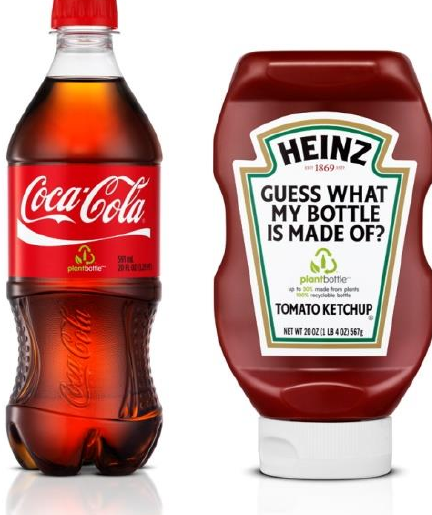
Blow moulding is a manufacturing process used exclusively with thermoplastics to create hollow containers and products. This process is commonly used to manufacture items that hold liquids such as soft drink bottles, milk cartons, and household detergent containers.
The key characteristic of blow moulding is that it creates hollow products by inflating heated plastic material, similar to how you might blow up a balloon. This makes it perfect for producing lightweight containers with consistent wall thickness.
Note
The name "blow moulding" comes from the fact that compressed air is literally blown into the heated plastic to shape it, just like inflating a balloon!
Materials used in blow moulding
Blow moulding works only with thermoplastics because these materials can be repeatedly heated and reshaped without losing their properties. This flexibility is essential for the inflation process that shapes the final product.
Common thermoplastics used include:
- Polyethylene (PE) - for milk bottles and detergent containers
- Polyethylene terephthalate (PET) - for soft drink bottles
- Polypropylene (PP) - for various containers
Important
Remember: Only thermoplastics can be used in blow moulding. Thermosetting plastics cannot be reheated and reshaped, making them unsuitable for this process.
The blow moulding process
The blow moulding process is a carefully controlled sequence that transforms heated plastic into finished containers. Each step builds on the previous one to achieve the final hollow product.
Example
Step-by-Step Process: Creating a Plastic Bottle
Step 1: Form extruder A heated parison is created. A parison is a hollow tube of thermoplastic polymer that has been heated to make it soft and flexible.
Step 2: Base squeezed
The parison is placed between the two halves of a split mould. The mould closes around the parison, pinching the bottom end to seal it.
Step 3: Plastic expands Compressed air is blown into the parison from the open end. The air pressure forces the soft plastic to expand outwards until it meets the walls of the mould cavity.
Step 4: Product removal The plastic cools and hardens against the mould walls. Once set, the mould opens and the finished product is removed using ejector mechanisms.
Key advantages of blow moulding
Blow moulding offers several significant benefits that make it the preferred choice for manufacturing hollow containers:
- Efficient for containers - specifically designed for hollow products
- Consistent wall thickness - air pressure distributes material evenly
- Cost-effective - suitable for high-volume production
- Versatile sizing - can produce small bottles to large containers
- Material efficiency - minimal waste compared to other processes
Note
The even distribution of material through air pressure is a key function of blow moulding, ensuring that container walls have uniform strength throughout.
Applications and examples
Blow moulding is widely used in the packaging industry to manufacture a diverse range of products. The process is particularly valuable for creating products that need to be lightweight yet strong enough to contain liquids safely.
Common applications include:
- Beverage bottles - soft drinks, water, juices
- Food containers - condiment bottles, storage containers
- Household products - detergent bottles, cleaning product containers
- Personal care items - shampoo bottles, cosmetic containers
Summary
Key Points to Remember:
- Blow moulding uses only thermoplastics - these can be reheated and reshaped
- A parison is the starting tube - heated hollow thermoplastic that gets inflated
- Four key steps: form parison, place in split mould, inflate with air, remove product
- Perfect for containers - creates hollow products ideal for holding liquids
- Air pressure shapes the product - plastic expands like a balloon to fill the mould