Food Processing (Leaving Cert Home Economics): Revision Notes
📚Revision Notes
Food Processing
What is food processing?
Food processing refers to the methods and techniques used to transform raw ingredients into food or to transform food into other forms for consumption. It involves a wide range of activities, including cooking, baking, fermenting, preserving, and packaging.
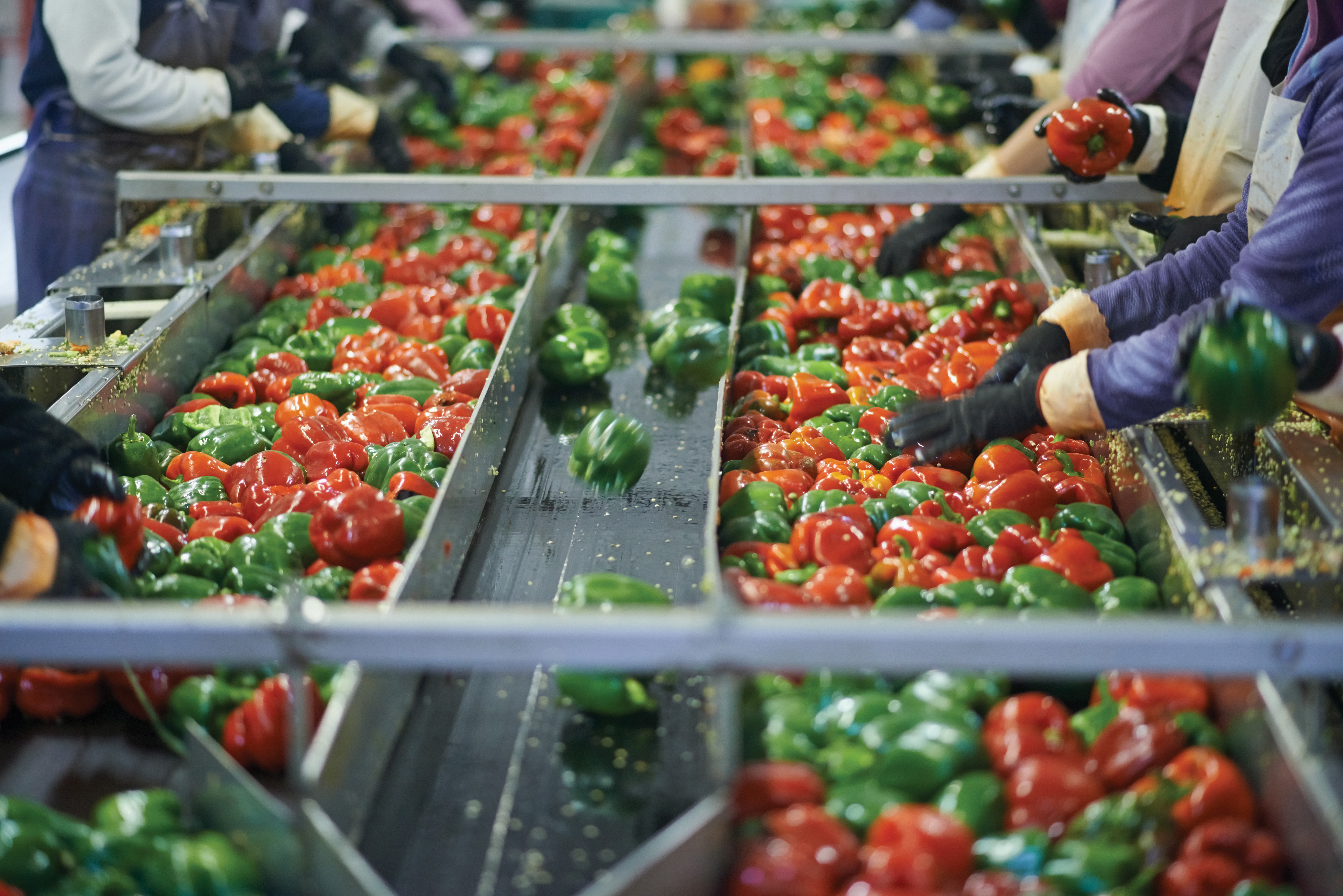
Food processing transforms raw materials into products that are safer, more convenient, and often more nutritious than their original form. This transformation can be as simple as washing and packaging fresh vegetables or as complex as creating ready meals.
Why do we process food?
Food processing serves several important purposes in our modern food system:
- Preservation - Extends shelf life by stopping the growth of microorganisms, enzymes, and other factors that cause spoilage
- Safety - Ensures food is safe to eat by removing harmful bacteria and reducing the risk of foodborne illnesses
- Convenience - Makes food products more accessible and easier to prepare and consume
- Nutritional enhancement - Enriches food with essential nutrients such as vitamins and minerals through fortification
- Sensory modification - Improves or changes taste, texture, colour, or aroma to meet consumer preferences
- Economic benefits - Reduces food waste and maximises yield from raw ingredients, improving economic efficiency
Note
These processing purposes work together to create a more efficient and safer food system that meets the diverse needs of modern consumers while reducing waste and improving accessibility.
Types of food processing
Primary processing
Primary processing involves the basic conversion of raw materials into food products. This is typically the initial stage of processing where raw ingredients are prepared for further use or direct consumption.
Key procedures include:
- Cleaning - Removing dirt, debris, and impurities from raw ingredients
- Sorting - Separating food items based on size, quality, or type
- Grading - Categorising food based on quality standards
- Milling - Grinding grains into flour
- Slaughtering - Processing meat from animals
- Pasteurisation - Heating liquids to destroy harmful microorganisms
Example
Examples of Primary Processing:
- Milling wheat into flour for baking - Raw wheat grains are cleaned, sorted, and ground into various flour types
- Pasteurising milk to eliminate bacteria and extend shelf life - Milk is heated to specific temperatures to kill harmful microorganisms
- Freezing vegetables shortly after harvest to preserve them - Fresh vegetables are rapidly frozen to maintain nutritional value and prevent spoilage
Secondary processing
Secondary processing transforms primary processed food into more complex products. These processes combine different ingredients and use various techniques to create finished food products.
Key procedures include:
- Mixing - Combining different ingredients to make a product
- Forming - Shaping food into specific forms
- Cooking - Applying heat to prepare food for consumption
- Baking - Using dry heat in an oven to cook food
- Fermenting - Using microorganisms to convert sugars into alcohol or acids
- Canning - Sealing food in airtight containers and heat processing to preserve it
Example
Examples of Secondary Processing:
- Baking bread by combining flour, water, yeast, and other ingredients - Multiple primary processed ingredients are mixed, kneaded, and baked to create the final product
- Making cheese through fermenting and processing milk - Pasteurised milk undergoes fermentation and ageing processes to develop flavour and texture
- Canning tomatoes by sealing them in containers with preservative liquid and heat treating - Fresh tomatoes are processed, sealed, and sterilised for long-term storage
Convenience foods
Convenience foods are commercially prepared foods designed for ease of consumption and minimal preparation time. These foods are often partially or fully cooked in the manufacturing process and require little effort from the consumer beyond heating or simple assembly.
Why process convenience foods?
- Time-saving - Designed for quick and easy preparation, addressing the needs of time-constrained consumers
- Longer shelf life - Processed to extend the food's lifespan, making them available for consumption over extended periods
- Variety and accessibility - Provide diverse food options that might not be readily available in fresh form in all locations or seasons
- Portion control - Often packaged in individual servings, aiding in portion management and reducing food waste
- Nutritional enhancement - Some convenience foods are fortified with vitamins and minerals to enhance their nutritional value
Types of convenience foods
Ready-to-eat foods
- Can be consumed immediately without further cooking or preparation
- Examples: Packaged salads, sandwiches, yoghurt
Ready-to-cook foods
- Pre-prepared foods that require cooking but minimal additional preparation
- Examples: Frozen pizza, marinated meats, ready-to-bake bread dough
Ready-to-heat foods
- Pre-cooked meals or components that simply need to be heated before eating
- Examples: Frozen dinners, canned soups, microwaveable rice
Meal kits
- Contain all necessary ingredients in exact amounts required to prepare a dish
- Usually require some degree of preparation and cooking
- Examples: Home delivery meal kits with pre-measured ingredients for specific recipes
Snack foods
- Small, quick, and convenient food items intended for on-the-go or between-meal consumption
- Examples: Granola bars, trail mix, potato chips
Advantages and disadvantages
Advantages:
- Save time and energy with minimal preparation, cooking, and cleaning effort
- Manufactured to have consistent quality with uniform taste and texture
- Available year-round, not limited by seasonal availability of ingredients
- Wide range of choices for different dietary preferences and needs
- Often packaged for easy transportation and consumption on the go
Important
Disadvantages:
- May be high in salt, sugar, fats, and preservatives, and low in essential nutrients
- Generally more expensive than homemade equivalents
- Packaging contributes to waste and environmental pollution
- May lack the freshness and flavour of homemade meals
- Regular consumption can be linked to health issues like obesity and heart disease due to high caloric and low nutritional content
Cook chill food production
Cook chill foods refer to a method of food preparation and preservation where food is cooked, rapidly chilled, and stored at low temperatures until reheated for consumption. This process is designed to maintain food quality, flavour, and nutritional value while ensuring safety and extending shelf life.
The cook-pasteurise-chill process is a series of carefully controlled steps used to prepare, preserve, and distribute food safely. Each stage is critical in ensuring the final product's quality and safety.
Example
Worked Example: Fresh Vegetable Soup Production
Preparation stage:
- Fresh vegetables are selected based on quality, freshness, and flavour
- Vegetables are washed, peeled, and chopped into consistent sizes for even cooking
Cooking stage:
- Vegetables are cooked in broth or water until tender
- The soup is brought to a boil (above 100°C) to ensure all ingredients are thoroughly cooked
Portioning and packaging:
- The cooked soup is portioned into specific serving sizes
- Portioned soup is packaged in airtight containers to prevent contamination and maintain quality
Pasteurisation:
- The packaged soup is pasteurised by heating it to a temperature that kills harmful microorganisms but retains food quality
- Temperature is typically around 70°C to 85°C for a specific time, depending on the product
Chilling:
- The pasteurised soup is rapidly chilled to a temperature between 0°C and 5°C within 90 minutes to inhibit bacterial growth
- Chilled soup must be stored at or below 5°C
Quality control:
- Regular checks for taste, texture, and aroma ensure consistent quality
- Microbiological tests are conducted to ensure the product is safe for consumption
Labelling and storage:
- Labels include ingredients, nutritional information, storage instructions, expiry date, and reheating instructions
- Products are maintained at or below 5°C and stored in clean, dry, and odour-free environments
Distribution:
- Transported in refrigerated vehicles to maintain the cold chain
- Distributed efficiently to minimise time between production and consumption
Functional foods and genetically modified foods
Functional foods
Functional foods are those that contain added ingredients or naturally possess components that provide specific health benefits beyond basic nutrition. These foods contribute to improved health, prevent certain diseases, or enhance physical and mental well-being.
Examples of functional foods:
Probiotics Probiotics are live microorganisms, often bacteria, which confer health benefits to the host.
- Found in: Yoghurt, kefir, sauerkraut
- Health benefits: Improve gut health, aid in digestion, and strengthen the immune system
Omega-3 fatty acids Omega-3 fatty acids are essential fatty acids required for human health but not produced by the body.
- Found in: Fatty fish (salmon, mackerel), flaxseeds, walnuts
- Health benefits: Reduce the risk of heart disease, support brain health, and decrease inflammation
Plant stanols and sterols Plant stanols and sterols are naturally occurring substances in plants that help lower cholesterol levels.
- Found in: Margarines, yoghurts, fortified juices
- Health benefits: Lower low-density lipoprotein (LDL) cholesterol, reducing heart disease risk
Folic acid (Vitamin B9) Folic acid is a B vitamin important for cell growth and metabolism.
- Found in: Leafy greens, fortified cereals, bread
- Health benefits: Essential for foetal development, reduces the risk of certain birth defects
Genetically modified foods
Genetically modified foods are those whose DNA has been altered in ways that do not occur naturally, typically to enhance certain traits such as increased resistance to herbicides or improved nutritional content.
Benefits of GM foods:
- Improved nutritional content - Enhanced vitamin and mineral levels in crops
- Disease and pest resistance - Reduction in the need for chemical pesticides
- Increased crop yields - Helps meet the growing global food demand
- Environmental sustainability - Reduced use of chemicals and improved crop resilience can lead to more sustainable farming practices
Note
Examples of GM Foods:
- GM soybeans - Engineered for herbicide tolerance
- Golden rice - Enriched with Vitamin A to combat deficiency in developing countries
- Bt corn - Contains a natural pesticide to resist insect infestations
Important
Regulations in Europe:
- The European Union (EU) has stringent regulations on GM foods, emphasising safety and consumer choice
- Any food containing over 0.9% of GM ingredients must be labelled as such
- All GM foods must undergo rigorous assessment and approval by the European Food Safety Authority (EFSA) before they can be marketed in the EU
Summary
Key Points to Remember:
- Food processing transforms raw materials into safe, convenient, and nutritious products through primary and secondary processing methods
- Convenience foods offer time-saving benefits but may have nutritional drawbacks and environmental impacts from packaging
- The cook-chill process uses controlled cooking, pasteurisation, and rapid chilling to maintain food safety and quality
- Functional foods provide health benefits beyond basic nutrition through ingredients like probiotics and omega-3 fatty acids
- GM foods offer potential benefits like improved nutrition and sustainability but are strictly regulated in Europe with mandatory labelling requirements