Precocial and Altricial Development (Grade 12 NSC Matric Life Sciences): Revision Notes
📚Revision Notes
Precocial and Altricial Development
What are precocial and altricial development strategies?
These are two completely different approaches that animals use when it comes to how developed their babies are when they're born or hatched. Think of it as nature's way of choosing between having babies that are "ready to go" versus babies that need lots of help and care.
Precocial development refers to animals whose young are born or hatched in a well-developed state, whilst altricial development describes animals whose young are born or hatched in an under-developed state requiring extensive parental care.
Important
The key difference lies in the level of development at birth or hatching - precocial young are essentially "mini-adults" while altricial young are completely dependent on parental care.
Understanding precocial development
Animals that follow a precocial development strategy produce offspring that are remarkably well-prepared for life from the moment they arrive. These babies come into the world with several advantages that help them survive with minimal parental assistance.
The key characteristic of precocial young is that they're essentially "mini-adults" when born. They can see immediately because their eyes are open, they have protective covering like fur or feathers, and most importantly, they can move around and even find food quite soon after birth or hatching.
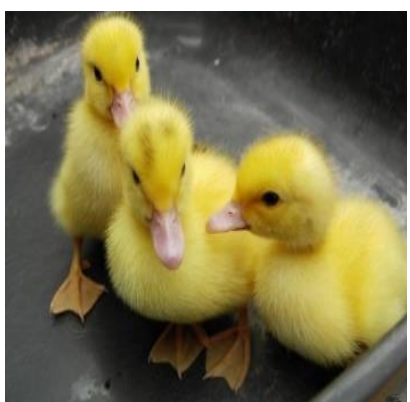
Note
This strategy works well for animals that live in environments where parents might not be able to provide constant care, or where the young need to be mobile quickly to avoid predators.
Understanding altricial development
In contrast, altricial development represents the opposite approach. These animals invest their energy in producing young that are born in a much more vulnerable state but have the potential for extended learning and development under parental care.
Altricial babies are born blind (eyes closed), often without any fur or feathers, and are completely dependent on their parents for everything - food, warmth, protection, and even basic mobility. They cannot survive without intensive parental care.
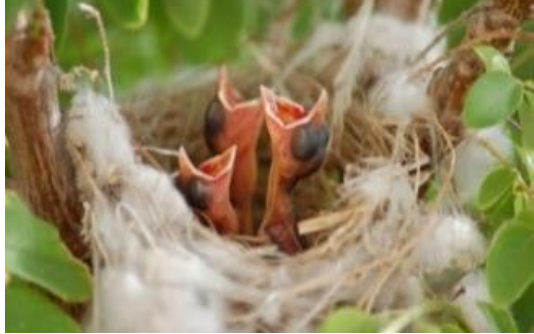
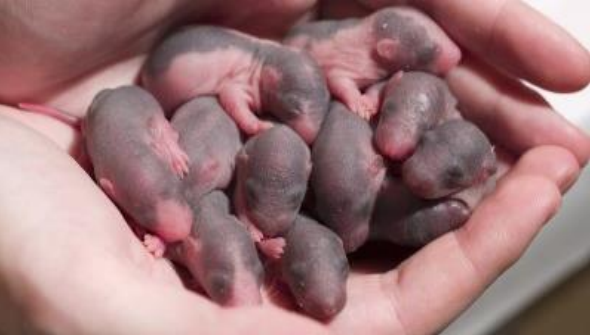
Note
This strategy allows parents to have more control over their offspring's development and can result in more complex learned behaviours, but requires a significant investment of time and energy from the parents.
Comparing precocial and altricial development
The differences between these two strategies become clearer when we examine specific characteristics.
Important
Key Physical Differences at Birth:
Understanding these contrasts helps explain why different species have evolved different strategies for offspring development.
Body development at birth: Precocial young are well-developed with functioning body systems, while altricial young are under-developed and need time to mature physically.
Eye condition: Precocial babies can see immediately with open eyes, giving them awareness of their environment. Altricial young are born blind with closed eyes that only open after several days or weeks.
Body covering: Precocial animals typically have fur or feathers for insulation and protection. Altricial young are usually born naked and vulnerable to temperature changes.
Parental care needs: This is perhaps the most significant difference. Precocial young need relatively little care from parents and can often feed themselves. Altricial young require extensive parental care for survival, including feeding, warmth, and protection.
Mobility: Precocial babies can move around soon after birth, allowing them to follow parents, escape danger, or find food. Altricial young have very limited mobility and cannot move freely until much later in development.
Yolk quantity in eggs: This relates to the energy investment before birth. Precocial species have eggs with larger amounts of yolk, providing more nutrients for extended development before hatching. Altricial species have less yolk because the young hatch earlier and rely on parents for nutrition.
The connection to egg structure
The amount of yolk in an egg directly influences whether young will be precocial or altricial. When eggs contain larger quantities of yolk, the developing embryo has more time and resources to develop fully before hatching, resulting in precocial young. Conversely, eggs with smaller amounts of yolk produce altricial young that hatch sooner but in a less developed state.
Note
This explains why birds like chickens and ducks (precocial) can run around and find food shortly after hatching, while songbirds (altricial) require weeks of feeding and care in the nest.
Examples in nature
Example
Real-World Examples: Precocial Species
- Ducklings and waterfowl: Can swim and find food within hours of hatching
- Ground-nesting birds: Chickens and quail that can walk immediately
- Hoofed mammals: Horses and cattle whose young can stand and walk shortly after birth
Example
Real-World Examples: Altricial Species
- Songbirds: Remain in nests for weeks, completely dependent on parents
- Mammals: Cats, dogs, and rodents whose babies are born helpless
- Humans: Require extensive parental care for years of development
Evolutionary advantages
Each strategy has evolved to suit different environmental challenges and lifestyles. Precocial development works well for species that live in open environments where young need to be mobile quickly, or where parents cannot provide extended care. Altricial development is advantageous when parents can provide safe nesting sites and when extended learning periods benefit survival.
Summary
Key Points to Remember:
- Precocial young are "ready to go" - well-developed, mobile, and need minimal parental care
- Altricial young are "helpless but have potential" - under-developed and require extensive parental care
- Yolk quantity matters - more yolk leads to precocial development, less yolk results in altricial development
- Each strategy has advantages - precocial for quick independence, altricial for extended learning and development
- Think of familiar examples - chicks (precocial) vs baby birds in nests (altricial) to remember the difference