The Hypothalamus and Pituitary Gland (Grade 12 NSC Matric Life Sciences): Revision Notes
📚Revision Notes
The Hypothalamus and Pituitary Gland
Introduction to the hypothalamic-pituitary system
The hypothalamus and pituitary gland work together as the control centre of your body's hormone system. Think of them as the "command headquarters" that coordinates many vital functions including water balance, growth, reproduction, and controlling other hormone-producing glands throughout your body.
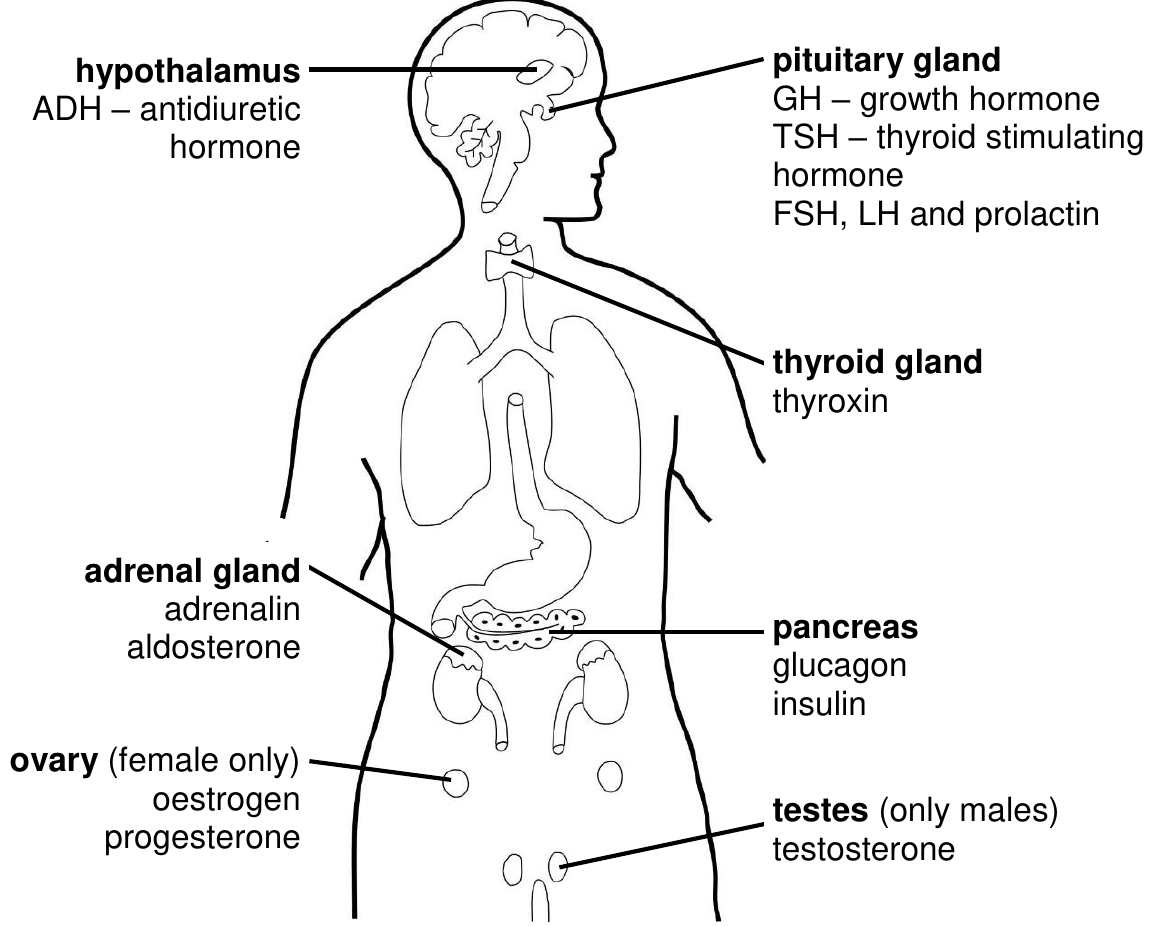
The hypothalamus acts as a crucial link between your nervous system (which processes information quickly) and your endocrine system (which uses hormones for longer-term control). This partnership allows your body to respond appropriately to internal changes and maintain homeostasis.
Note
This hypothalamic-pituitary partnership is essential for survival - it's how your body maintains stable internal conditions despite constantly changing external environments.
Location and anatomy
The hypothalamus is a small but incredibly important region located in your brain, positioned just above the pituitary gland. These two structures are physically connected, which allows them to work together efficiently.
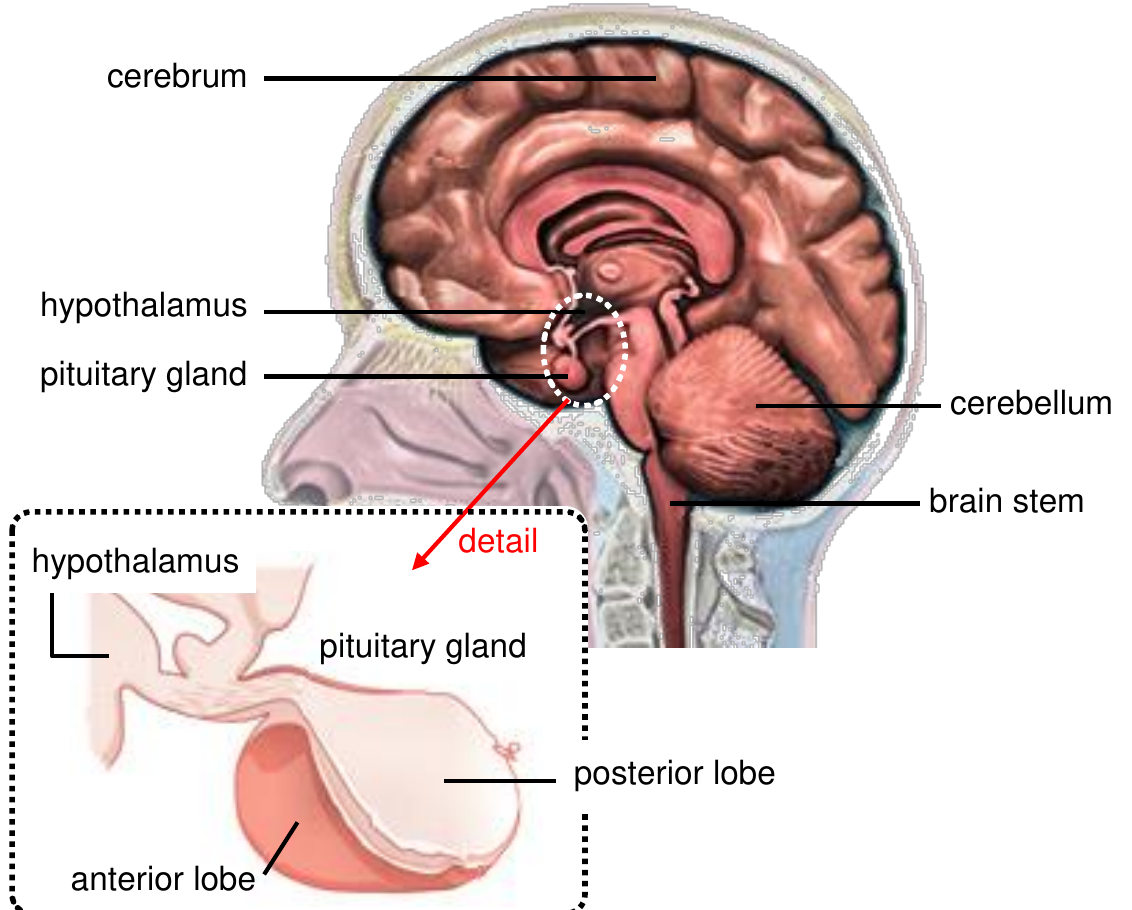
The pituitary gland sits in a small depression in the skull called the sella turcica and is often referred to as the "master gland" because it produces hormones that control other endocrine glands. The pituitary has two distinct parts: the anterior lobe (front part) and the posterior lobe (back part), each with different functions and hormone production patterns.
Note
The physical connection between the hypothalamus and pituitary gland is crucial - it allows for direct communication and rapid response to changing body conditions.
The hypothalamus and ADH production
The hypothalamus produces several important hormones, but a key one you need to understand is ADH (antidiuretic hormone), also known as vasopressin. This hormone plays a vital role in maintaining your body's water balance, which is essential for proper cell function and blood pressure regulation.
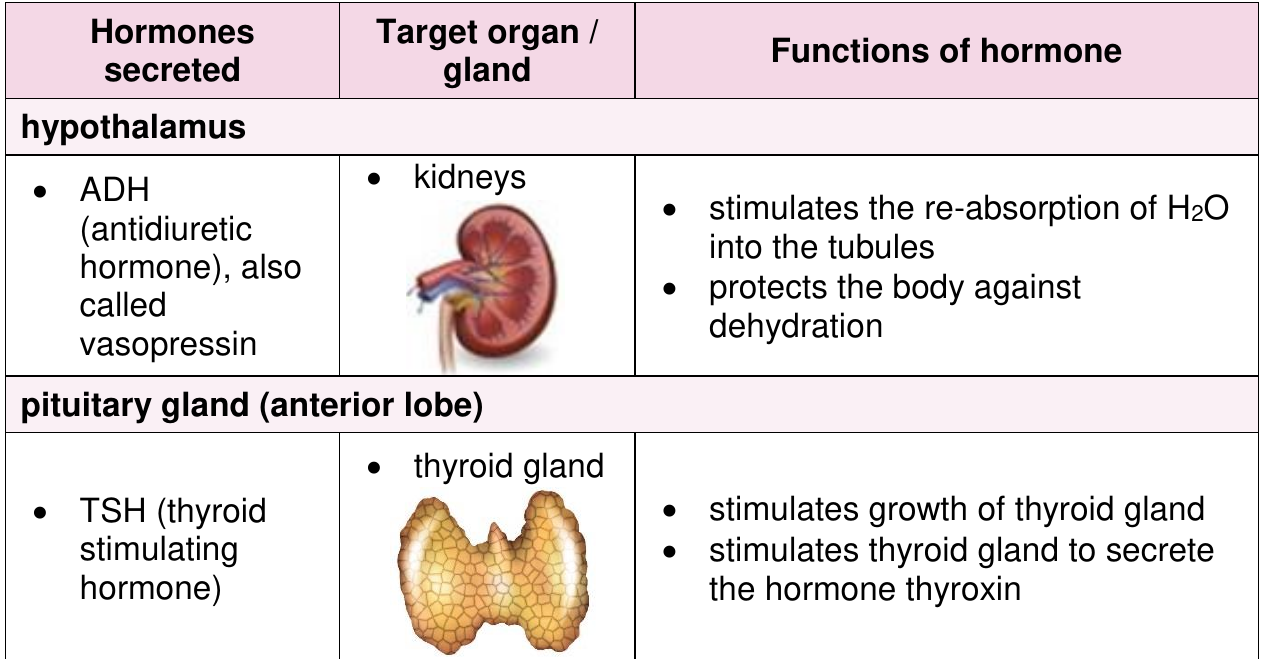
ADH works by targeting the kidneys, specifically the kidney tubules where urine is being formed. When ADH is released, it stimulates the kidneys to reabsorb more water back into the bloodstream rather than losing it in urine. This mechanism protects your body against dehydration, especially when water intake is low or when you're losing water through sweating or illness.
Important
The release of ADH is controlled by special receptors in the hypothalamus that detect changes in blood concentration. When your blood becomes too concentrated (indicating dehydration), more ADH is released. When you're well-hydrated, less ADH is produced, allowing more water to be lost in urine.
The anterior pituitary and its hormones
The anterior lobe of the pituitary gland produces several crucial hormones that act on different target organs throughout your body. Understanding these hormones and their functions is essential for grasping how your body coordinates growth, reproduction, and metabolism.
TSH (thyroid stimulating hormone)
TSH is produced by the anterior pituitary and specifically targets the thyroid gland in your neck. This hormone serves two main functions: it stimulates the growth and development of thyroid tissue, and it triggers the thyroid gland to produce and release thyroxin (the main thyroid hormone).
Thyroxin is crucial for controlling your metabolic rate, which affects how quickly your body uses energy. This creates an important regulatory pathway where the pituitary controls thyroid function, which in turn influences your overall energy metabolism.
Reproductive hormones: FSH and LH
The anterior pituitary produces two key reproductive hormones that work in both males and females, though their specific effects differ between the sexes.
FSH (follicle stimulating hormone) has different roles depending on biological sex. In females, FSH stimulates the development of follicles in the ovaries, promotes the production of oestrogen, and helps in the development of ova (egg cells). In males, FSH targets the testes and stimulates sperm production (spermatogenesis), which is essential for male fertility.
LH (luteinising hormone) also works differently in males and females. In females, LH stimulates ovulation (the release of mature eggs from the ovaries) and helps with the final maturation of eggs. In males, LH stimulates the testes to produce testosterone, the primary male hormone responsible for developing and maintaining male characteristics.
Note
These reproductive hormones work in cycles, particularly in females where monthly fluctuations in FSH and LH levels coordinate the menstrual cycle and prepare the body for potential pregnancy.
Prolactin
Prolactin is specifically designed to support lactation and milk production. This hormone targets the mammary glands and stimulates both milk production and milk secretion. While prolactin levels are naturally higher in females, especially during and after pregnancy, both males and females produce this hormone.
The regulation of prolactin is important for proper reproductive function, as abnormally high levels can interfere with other reproductive hormones and affect fertility.
GH (growth hormone)
Growth hormone is essential for proper physical development throughout childhood and adolescence. GH primarily targets bone and muscle cells, where it stimulates the growth of long bones and the development of skeletal muscles.
This hormone is particularly active during periods of rapid growth, such as during puberty. GH also plays ongoing roles in adults by helping maintain muscle mass and bone density, and it influences how the body processes proteins, fats, and carbohydrates.
Important
Growth hormone is not just about getting taller - it's essential for maintaining healthy bones and muscles throughout your entire life, even after you've stopped growing.
The hypothalamic-pituitary axis
The relationship between the hypothalamus and pituitary gland represents one of the most important regulatory systems in your body. The hypothalamus produces releasing and inhibiting hormones that travel directly to the anterior pituitary, telling it when to increase or decrease production of its various hormones.
This system allows for precise control of hormone levels based on your body's changing needs. For example, when growth is needed during adolescence, the hypothalamus signals the pituitary to release more growth hormone. When stress occurs, this axis helps coordinate an appropriate hormonal response.
Note
Understanding this axis is crucial because problems at either level - hypothalamic or pituitary - can affect multiple body systems simultaneously, showing how interconnected your hormone systems really are.
Remember!
Summary
Key Points to Remember:
-
The hypothalamus links your nervous and endocrine systems, allowing rapid neural signals to trigger longer-term hormonal responses for maintaining homeostasis.
-
ADH from the hypothalamus prevents dehydration by making your kidneys reabsorb more water when your body needs to conserve it.
-
The anterior pituitary acts as a "master gland" because its hormones (TSH, FSH, LH, prolactin, GH) control other glands and major body functions like reproduction, growth, and metabolism.
-
FSH and LH work together to coordinate reproduction in both sexes, but their specific effects differ between males and females.
-
The hypothalamic-pituitary axis allows precise hormonal control because the hypothalamus can directly influence pituitary hormone production based on your body's changing needs.