Dietary Risks of High Intake of Fat, Salt, and Sugar (VCE SSCE Health and Human Development): Revision Notes
📚Revision Notes
Dietary Risks of High Intake of Fat, Salt, and Sugar
Introduction
Understanding how dietary factors affect health is essential for VCE Health and Human Development students. This note explores three major dietary risks facing Australians: high intake of fat, salt, and sugar. Each of these dietary factors contributes significantly to Australia's health status and burden of disease through various mechanisms and health conditions.
Note
Whilst fats, salt, and sugar are necessary nutrients in moderate amounts, overconsumption of these substances can lead to serious health consequences. This distinction between necessary nutrients and harmful overconsumption is a key concept for understanding dietary risk factors.
Most Australians consume more of these nutrients than required, particularly saturated fats, sodium, and added sugars. This excessive intake contributes to increased morbidity (illness and disease rates) and mortality (death rates), reduced life expectancy, and higher disability-adjusted life years (DALY) across the population.
High intake of fat
Understanding fats and their role
Fats, also known as lipids, serve several important functions in the body. They act as a primary fuel source for energy production and are essential components of a balanced diet. However, Australians are more likely to overconsume fats rather than underconsume them, leading to detrimental health effects.
The health impact of fat consumption depends significantly on the type of fat consumed. Not all fats affect the body in the same way, which is why understanding the different categories of fats is crucial.
Types of fats
Fats can be classified into two main categories: healthier fats and unhealthy fats. This classification is based on their chemical structure and their effects on cholesterol levels and overall health.
Important
Understanding Fat Types is Critical
The distinction between healthier and unhealthy fats is fundamental to understanding how dietary fat affects cardiovascular health. Different fats have opposite effects on cholesterol levels, making this one of the most important dietary concepts to master.
Healthier fats include:
- Monounsaturated fats: These fats help reduce LDL cholesterol levels in the bloodstream, thereby decreasing the risk of cardiovascular disease. They are found in foods such as olive oil, avocados, and nuts.
- Polyunsaturated fats: These fats not only reduce LDL cholesterol but can also increase HDL cholesterol levels. Additionally, they help reduce blood clots and inflammation, further protecting against heart disease and stroke. Sources include fatty fish, walnuts, and seeds.
Unhealthy fats include:
- Saturated fats: These fats increase LDL cholesterol levels in the blood, raising the risk of cardiovascular disease. They are commonly found in animal products such as fatty meat, butter, and full-fat dairy products.
- Trans fats: Often considered the most harmful type of fat, trans fats not only increase LDL cholesterol but also decrease HDL cholesterol. This dual effect significantly increases the risk of heart disease and stroke. Trans fats are found in some processed foods, deep-fried foods, and commercially baked products.
High fat intake and high body mass index
One of the primary concerns with excessive fat consumption is its contribution to weight gain and high body mass index (BMI). All types of fats provide energy, and when this energy is not used by the body, it is stored as adipose tissue (body fat). Over time, consistently consuming more fat than the body needs leads to increased body weight and elevated BMI.
Note
High BMI resulting from excess fat intake is associated with numerous health conditions including cardiovascular disease, osteoarthritis, type 2 diabetes, and certain cancers. The relationship between high fat intake and these conditions occurs primarily through the pathway of increased body mass.
The impact on health status is substantial. High BMI increases both morbidity rates (illness and disease occurrence) and mortality rates (death rates) for the conditions mentioned above. This particularly affects cardiovascular disease outcomes, where excess body fat contributes to additional strain on the circulatory system.
High fat intake and cardiovascular disease
Beyond its effect on body weight, overconsumption of saturated and trans fats directly impacts cardiovascular health through their influence on blood cholesterol levels. Understanding cholesterol is essential to grasping this relationship.
Cholesterol types and their effects:
There are two main types of cholesterol that circulate in the bloodstream:
- Low-density lipoprotein (LDL): Often called 'bad' cholesterol because of its harmful effects when present in excess. LDL cholesterol tends to accumulate on the walls of blood vessels when levels are too high. This reduces the space available for blood to flow to cells and tissues.
- High-density lipoprotein (HDL): Known as 'good' cholesterol because it helps protect against heart disease. HDL cholesterol can slow down or reverse the buildup of deposits in blood vessels, reducing cardiovascular risk.
Understanding atherosclerosis:
When LDL cholesterol levels in the blood become too high, the cholesterol deposits on blood vessel walls. These deposits attract other substances, particularly calcium, which become embedded in the vessel walls. This process causes hardening and narrowing of the arteries, a condition called atherosclerosis.

Important
The Atherosclerosis Mechanism
Atherosclerosis is the main underlying factor in most types of cardiovascular disease, including coronary heart disease and stroke. The narrowed arteries force the heart to work much harder to pump blood throughout the body. In severe cases, blood supply can be completely cut off, leading to heart attacks or strokes.
Understanding this mechanism is crucial because it explains how dietary choices (particularly saturated and trans fat intake) directly lead to life-threatening cardiovascular conditions.
How different fats affect cardiovascular risk:
Saturated and trans fats are sometimes called 'bad' fats because they increase LDL cholesterol levels, thereby increasing cardiovascular disease risk. Trans fats pose an even greater threat because they simultaneously decrease HDL cholesterol levels, removing the protective factor that might otherwise help counteract the damage.
In contrast, monounsaturated and polyunsaturated fats are considered healthier options. They actively reduce LDL cholesterol levels in the body, lowering cardiovascular disease risk. Polyunsaturated fats provide additional benefits by increasing HDL cholesterol and reducing blood clots and inflammation, offering multiple layers of protection against heart disease and stroke.
High fat intake and type 2 diabetes
Diets high in saturated and trans fats contribute to type 2 diabetes through a mechanism separate from their effect on body weight. Research has shown that these unhealthy fats can alter the composition of cell membranes throughout the body.
Note
These changes to cell membrane structure interfere with the normal transport of glucose into cells. When glucose cannot enter cells efficiently, it accumulates in the bloodstream, worsening impaired glucose regulation and increasing the risk of developing type 2 diabetes. This occurs even in individuals who maintain a healthy body weight, though the risk is compounded when high fat intake also leads to increased BMI.
High fat intake and colorectal cancer
The relationship between fat intake and colorectal cancer occurs through two pathways. First, excessive fat consumption can lead to high BMI, which is itself a risk factor for colorectal cancer. However, research indicates that high intake of saturated and trans fats also appears to increase colorectal cancer risk directly.
Important
This direct relationship means that even individuals with normal body mass face increased colorectal cancer risk when they consume excessive amounts of saturated and trans fats. The exact mechanisms are still being researched, but this finding highlights the importance of limiting unhealthy fat intake regardless of body weight status.
High fat intake and the Australian Burden of Disease Study
The Australian Burden of Disease Study provides concrete evidence of how high fat intake, particularly through its effect on cholesterol levels, impacts the Australian population.
In 2015, high cholesterol was responsible for 3 per cent of Australia's total burden of disease. More strikingly, it accounted for 31 per cent of the burden specifically due to cardiovascular disease. The majority of this burden—more than 80 per cent—resulted from premature mortality rather than from living with disability, indicating that high cholesterol often leads to fatal outcomes.
Sex differences in disease burden:
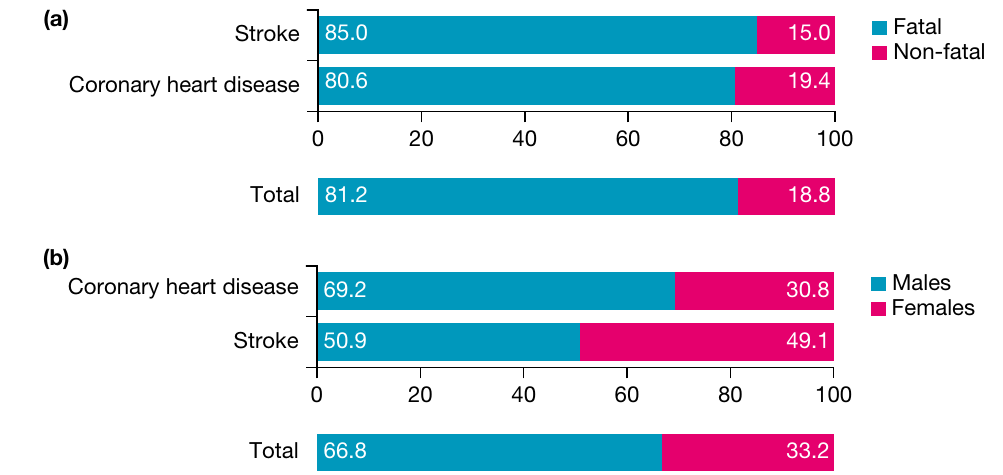
Males experience a disproportionate burden from high cholesterol, accounting for approximately 67 per cent of the total burden. For coronary heart disease specifically, males experience 69.2 per cent of the burden, whilst females experience 30.8 per cent. This gender difference is less pronounced for stroke, where the burden is more evenly distributed between males (50.9 per cent) and females (49.1 per cent).
Fatal versus non-fatal burden:
Note
Predominantly Fatal Burden
The data reveals that the burden from high cholesterol is predominantly fatal:
- For stroke: 85 per cent of the burden is due to premature death, with only 15 per cent from non-fatal outcomes
- For coronary heart disease: 80.6 per cent of the burden comes from deaths, whilst 19.4 per cent results from living with the condition
This pattern highlights the severe and often life-threatening nature of cardiovascular disease resulting from high cholesterol.
Age patterns in disease burden:
Coronary heart disease accounts for the majority of DALY attributable to high cholesterol. The total number of DALY caused by high cholesterol gradually increases with age, reaching its peak in the 65-84 age group. This pattern reflects both the cumulative nature of atherosclerosis development over decades and the increased vulnerability of older age groups.
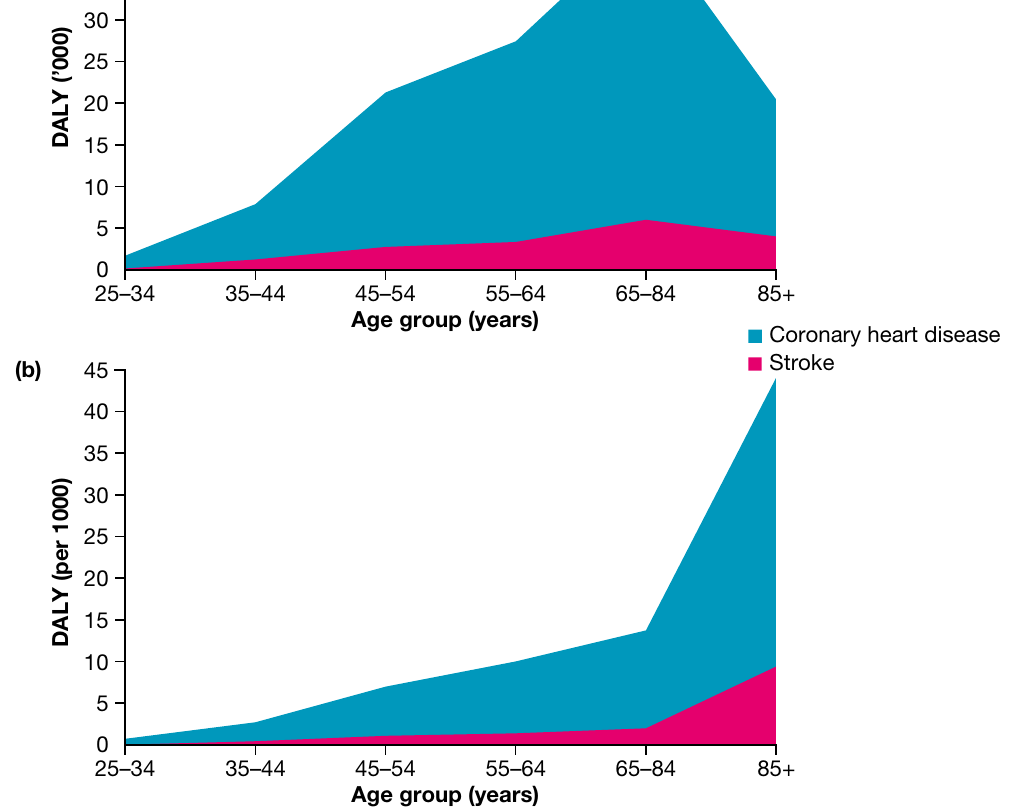
When examining DALY rates per 1000 people, the burden increases exponentially in the oldest age group (85+ years), highlighting the particularly severe impact on elderly Australians.
Summary of impacts:
Summary
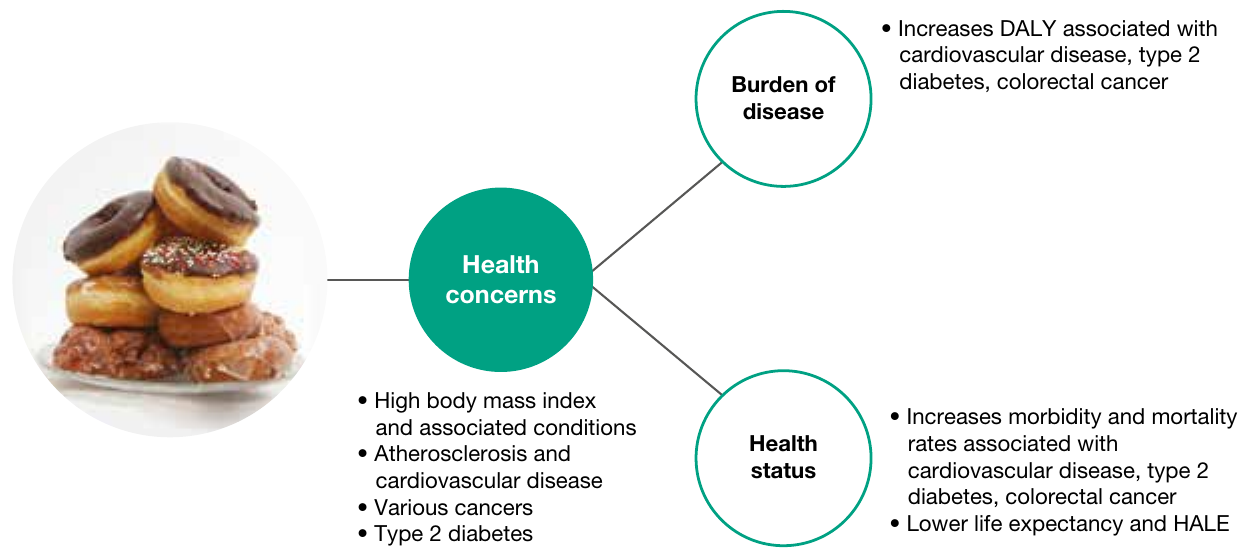
Health Impacts of High Fat Intake
Health Status Impacts:
- Increased morbidity and mortality rates associated with cardiovascular disease, type 2 diabetes, and colorectal cancer
- Lower life expectancy across the population
- Reduced healthy life expectancy (HALE)
Burden of Disease Impacts:
- Increased DALY for cardiovascular disease, type 2 diabetes, and colorectal cancer
- Substantial years of life lost to premature death
- Significant years lived with disability (YLD)
- Males bear approximately 67% of the total burden from high cholesterol
High intake of salt
Understanding salt and sodium
Salt is composed primarily of sodium, an essential nutrient required for optimal human functioning. However, like fats, sodium is needed only in relatively small amounts, and excessive intake can lead to serious health problems.
In high-income countries such as Australia, processed foods represent the major source of dietary sodium for most people. This makes it challenging for individuals to control their sodium intake, as salt is often hidden in foods that do not taste particularly salty.
Extent of overconsumption:
Important
Dramatic Overconsumption of Sodium
According to the Better Health Channel, the average Australian consumes eight to nine times the amount of sodium required for good health and wellbeing. This dramatic overconsumption has significant implications for population health status and burden of disease.
Health consequences of high salt intake
High salt intake contributes to several serious health conditions, primarily through its effect on blood volume and blood pressure.
High salt intake and hypertension
The mechanism linking high salt intake to hypertension involves the movement of fluid in the body. When sodium levels in the body become elevated, excess fluid is drawn out of cells and into the bloodstream. This physiological response increases the total volume of blood circulating through blood vessels.
Note
The Salt-Blood Pressure Connection
Increased blood volume creates greater pressure on blood vessel walls, a condition known as hypertension or high blood pressure. The blood vessels and heart must work harder to maintain circulation when blood volume is elevated, placing strain on the entire cardiovascular system.
Hypertension often develops gradually and may not produce noticeable symptoms in its early stages, earning it the nickname "the silent killer." However, its long-term effects on health are substantial and can lead to serious complications if left unmanaged.
High salt intake and cardiovascular disease
High salt intake contributes to cardiovascular disease through multiple pathways, all related to the increased blood volume and hypertension described above.

When blood volume increases and hypertension develops, the heart is forced to work significantly harder to pump blood throughout the body. Over time, this additional workload can lead to heart failure, where the heart becomes unable to meet the body's circulatory demands.
Important
Hypertension associated with excess sodium intake is a major risk factor for both stroke and heart attack. The increased pressure on blood vessel walls can cause damage to these vessels, making them more susceptible to blockages. In the brain, this can lead to stroke. In the coronary arteries that supply the heart muscle, it can cause heart attacks.
The combination of increased blood pressure and potential damage to blood vessels creates a dangerous situation that significantly elevates cardiovascular disease risk. This is particularly concerning given that cardiovascular disease is already a leading cause of death and disability in Australia.
High salt intake and osteoporosis
Beyond its cardiovascular effects, excess sodium intake also impacts bone health. When sodium levels in the body are high, the kidneys respond by excreting more calcium in the urine. This represents calcium that is being removed from the body rather than being available for bone maintenance and strength.
Note
Over time, this increased calcium excretion can lead to demineralisation of bones, where bones lose their mineral density and become weaker. This process contributes to the development of osteoporosis, a condition characterised by fragile bones that are prone to fractures.
Osteoporosis is particularly concerning for older adults, especially postmenopausal women, as it significantly increases fracture risk and can lead to serious complications, reduced mobility, and decreased quality of life.
High salt intake and the Australian Burden of Disease Study
Data from the Australian Institute of Health and Welfare and the Australian Bureau of Statistics reveal the substantial impact of high salt consumption on Australian health:
Overall burden:
Overconsumption of salt was responsible for 1.2 per cent of the total burden of disease in Australia in 2015. Whilst this percentage might seem small, it represents a significant number of preventable deaths and years lived with disability.
Prevalence of high blood pressure:
In 2017-18, approximately 23 per cent of Australian adults—equivalent to 4.3 million people—had measured high blood pressure. This figure excludes those already taking medication to manage their blood pressure, meaning the true number affected is likely even higher.
Sex differences:
High blood pressure is more common in men than in women across most age groups. Overall, 25.4 per cent of men and 20.3 per cent of women have high blood pressure. However, this pattern reverses in the oldest age group, where 45.4 per cent of women aged 75 and over have high blood pressure compared to 44.6 per cent of men in the same age range.
Age patterns:
Note
Age-Related Increase in High Blood Pressure
The proportion of people with high blood pressure increases dramatically with age:
- 6 per cent of people aged 18-24 years have high blood pressure
- This rises steadily through middle age
- Reaches 45 per cent among people aged 75 and over
This represents a more than seven-fold increase across the lifespan.
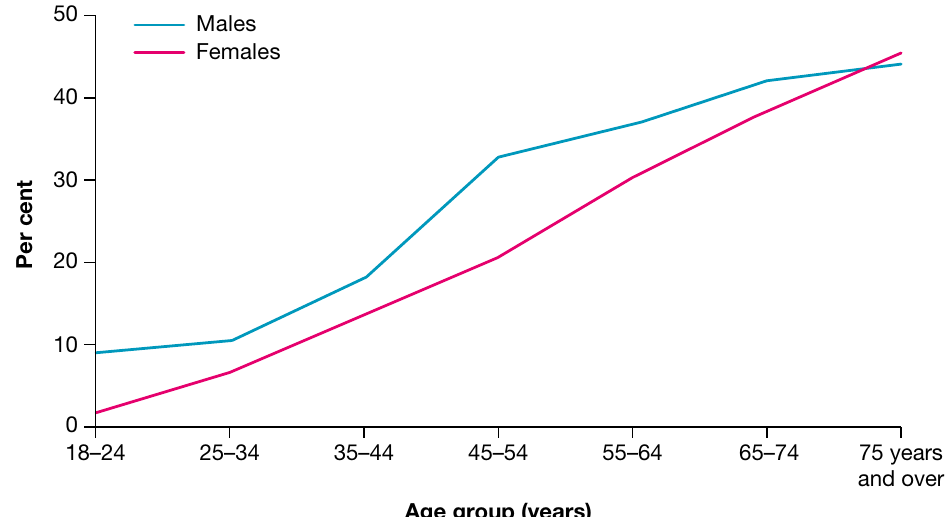
This age-related increase reflects both the cumulative effects of dietary sodium over a lifetime and age-related changes in blood vessel structure and function. The steep rise in prevalence among older Australians underscores the importance of maintaining healthy salt intake throughout life.
Health status and burden of disease impacts:
Summary
Impacts of High Salt Intake
Health Status Impacts:
- Increased morbidity and mortality rates from hypertension, heart failure, stroke, and heart attack
- Osteoporosis contributes additional morbidity, particularly among older females
- Reduced life expectancy and HALE across the affected population
Burden of Disease Impacts:
- DALY from hypertension, heart failure, stroke, and heart attack
- Both premature deaths and years lived with cardiovascular disability
- Increased years lived with disability (YLD) from osteoporosis
- Particularly affects older females who face higher fracture rates and associated complications
High intake of sugar
Understanding dietary sugars
Sugars are a type of carbohydrate that occur naturally in some foods, such as fruit and honey, and are also added to many processed foods. Common sources of added sugars include confectionery, sugar-sweetened soft drinks, cordials, fruit drinks, vitamin waters, and energy and sports drinks.

Note
The rise of sugar-sweetened beverages has emerged as one of the main sources of excessive sugar intake for Australians. These drinks can contain very high amounts of sugar in a single serving, and because they are liquids, they may not create the same feeling of fullness that solid foods do, leading to overconsumption.
Health consequences of high sugar intake
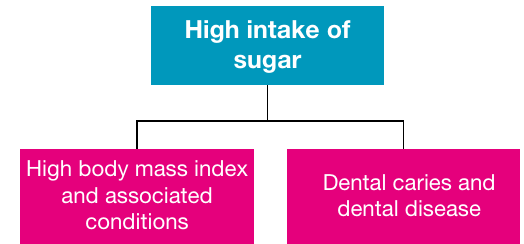
High sugar intake and high body mass index
Like fats, sugars serve as a fuel for energy production in the body. However, when sugars are consumed in amounts that exceed the body's immediate energy needs, the excess is converted and stored as adipose tissue (body fat).
Over time, consistent overconsumption of sugar leads to gradual weight gain and increased body mass index. High BMI resulting from excessive sugar intake contributes to health status and burden of disease through the same pathways as high BMI from any cause, including increased risk of cardiovascular disease, type 2 diabetes, osteoarthritis, and certain cancers.
Note
The impact on these conditions is substantial. High BMI increases both illness rates and death rates for these diseases, reduces overall life expectancy, and decreases the number of years people can expect to live in good health (HALE). The burden of disease manifests as increased DALY for cardiovascular disease, type 2 diabetes, and cancers, representing significant years of life lost to premature death and years lived with disability.
High sugar intake and dental caries and dental disease
Beyond its effects on body weight, sugar consumption has a direct and significant impact on oral health. This relationship is particularly important for understanding morbidity patterns in children and young people.
Mechanism of dental caries:
Important
How Sugar Causes Tooth Decay
Sugars provide an ideal food source for bacteria that naturally inhabit the mouth. When these bacteria consume sugar, they produce acids as a metabolic by-product. These acids attack tooth enamel, the hard outer layer that protects teeth. Over time, this acid attack weakens the enamel and creates cavities, a condition known as dental caries or tooth decay.
Dental caries represents a significant contributor to morbidity among Australian children. The condition can cause pain, difficulty eating, and problems with speech development. Additionally, dental caries can impact mental health and wellbeing, particularly if the visible appearance of teeth is affected, leading to reduced self-esteem and social confidence.

Progression to periodontitis:
If dental caries is left untreated, more serious oral health conditions can develop. Periodontitis is a condition characterised by inflammation and infection of the tissues that support the teeth, including the gums and the bone that holds teeth in place. The inflammation can cause gums to recede and bone to deteriorate, eventually leading to loosening and loss of teeth.
Links to chronic disease:
Note
Oral Health and Systemic Disease
Recent research over the past 15 years has established connections between poor oral health, especially periodontitis, and a range of serious chronic diseases that contribute significantly to Australia's burden of disease. These linked conditions include:
- Heart disease
- Stroke
- Severe infections
- Kidney disease
- Oral cancers
- Dementia
The exact causal relationships between oral health and these chronic diseases continue to be investigated. Current understanding suggests that chronic inflammation from periodontitis may contribute to systemic inflammation throughout the body, potentially affecting cardiovascular health and other systems. Bacteria from oral infections may also enter the bloodstream and contribute to disease processes elsewhere in the body.
These connections highlight that oral health is not isolated from overall health but is an integral component of wellbeing that influences and is influenced by other body systems.
Summary of impacts from high sugar intake
Summary
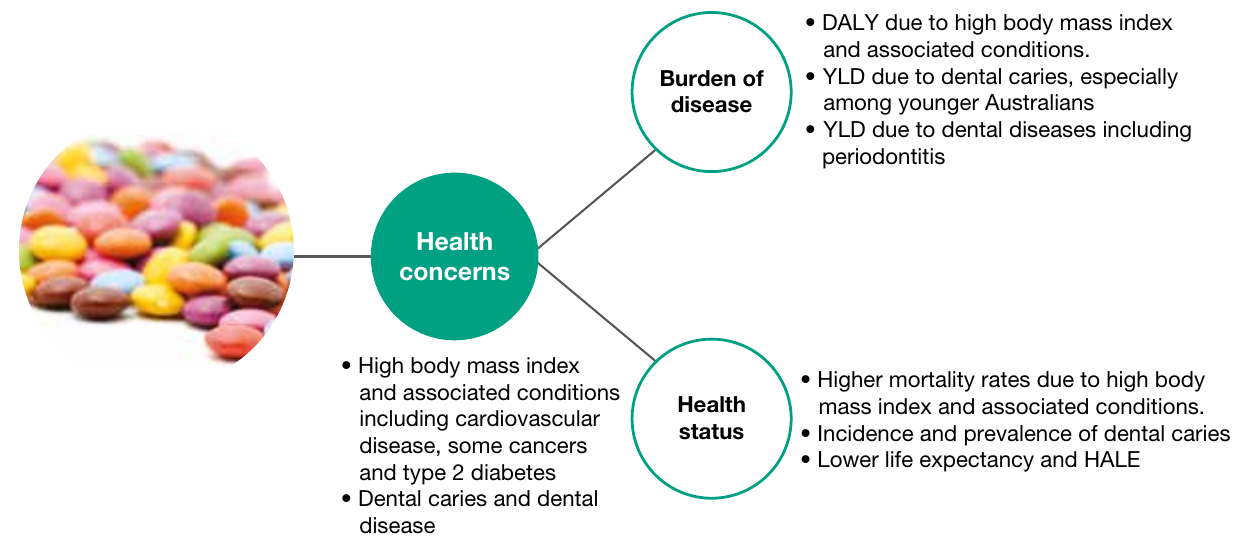
Health Impacts of High Sugar Intake
Health Status Impacts:
Through contribution to high BMI:
- Increased mortality rates associated with cardiovascular disease, type 2 diabetes, and cancers
Through direct effects on oral health:
- Increased incidence and prevalence of dental caries across the population, particularly among children
- Contributing to dental diseases including periodontitis
- Collectively reducing life expectancy and HALE
Burden of Disease Impacts:
- Increased DALY from high BMI and its associated conditions (cardiovascular disease, type 2 diabetes, and cancers)
- Substantial years lived with disability (YLD) from dental caries, especially significant among younger Australians
- YLD from dental diseases including periodontitis
- Note: Whilst dental conditions rarely cause death, they create considerable morbidity and can significantly affect quality of life
Remember!
Summary
Key Takeaways for VCE Revision
Different fats have different health effects:
- Saturated and trans fats are unhealthy fats that increase LDL ('bad') cholesterol and cardiovascular disease risk
- Monounsaturated and polyunsaturated fats are healthier options that can reduce LDL cholesterol and protect heart health
- Understanding this distinction is crucial for explaining how dietary fat affects health status and burden of disease
Atherosclerosis is the key mechanism:
- High intake of saturated and trans fats leads to atherosclerosis—the buildup of cholesterol and other substances on blood vessel walls that narrows arteries
- This is the underlying factor in most cardiovascular disease, including coronary heart disease and stroke
- These are leading causes of death and DALY in Australia
Salt affects health primarily through hypertension:
- Excess sodium increases blood volume, causing hypertension (high blood pressure)
- This forces the heart to work harder and significantly increases the risk of cardiovascular disease, including heart failure, stroke, and heart attack
- Australians consume 8-9 times the sodium they need, making this a major preventable health risk
Sugar has dual health impacts:
- High sugar intake contributes to increased BMI with all its associated conditions
- Also directly damages oral health through dental caries and periodontitis
- Sugar feeds bacteria in the mouth that produce acids, causing tooth decay
- Recent research links poor oral health to serious chronic diseases including heart disease and stroke
Age, sex, and disease burden patterns are important:
- High cholesterol burden is predominantly fatal (over 80% of burden)
- Affects males more than females (67% vs 33%)
- High blood pressure increases dramatically with age: from 6% in young adults to 45% in those 75+
- Dental caries particularly affects younger Australians
- Osteoporosis from high salt intake predominantly affects older females