Smoking (VCE SSCE Health and Human Development): Revision Notes
📚Revision Notes
Smoking
Introduction
Australia generally enjoys good health status, with ongoing improvements being made each year. However, around 5 million years of healthy life are still lost annually due to premature death and time spent living with illness or disability. This indicates there is significant room for further health improvements.
Health status is influenced by various factors, some of which can be changed through behaviour and lifestyle modifications. Four factors are particularly significant in Australia:
- Smoking
- Alcohol consumption
- High body mass index
- Dietary risks (including low consumption of vegetables, fruit and dairy; high intake of fat, salt and sugar; insufficient fibre and iron)
Note
Together, these four modifiable factors account for approximately 30% of Australia's total disease burden. This means nearly one-third of all health problems in Australia could potentially be prevented through behaviour and lifestyle changes.
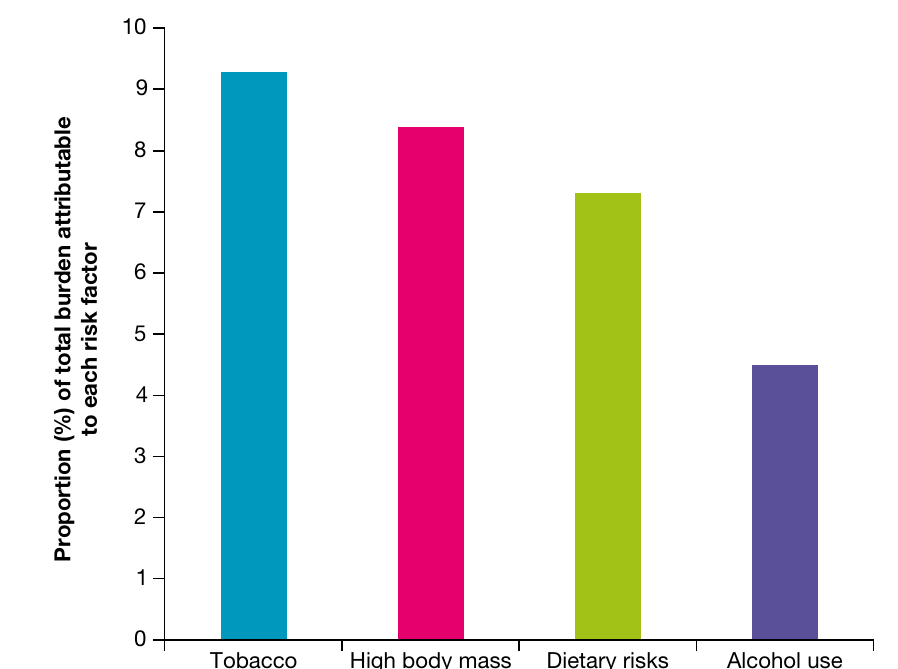
Tobacco smoking stands out as the single most significant preventable risk factor, responsible for 9.3% of the total disease burden in Australia (2015 data). This makes it the number one modifiable health risk in the country.
Understanding burden of disease vs health status
Important
Exam tip: When answering questions about smoking's impact, it's important to understand the distinction between burden of disease and health status:
Burden of disease is measured in disability-adjusted life years (DALY), which combines:
- Years of life lost (YLL) - the fatal component
- Years lost due to disability (YLD) - the non-fatal component
- Questions about burden of disease can link to DALY, YLL, or YLD
- Formula:
Health status is measured through various indicators including:
- Life expectancy
- Health-adjusted life expectancy (HALE)
- Mortality rates
- Morbidity rates
Smoking rates and trends
What is smoking?
Smoking involves burning a substance (usually tobacco, but can also include marijuana or other drugs) and breathing in the resulting smoke, which is then absorbed into the bloodstream.
The decline in smoking rates
Australia has achieved remarkable success in reducing smoking rates. In 1991, approximately 25% of the population smoked. By 2019, this had dropped dramatically to around 11% - more than halving the smoking rate in less than three decades.
This significant decrease resulted from a comprehensive range of public health interventions:
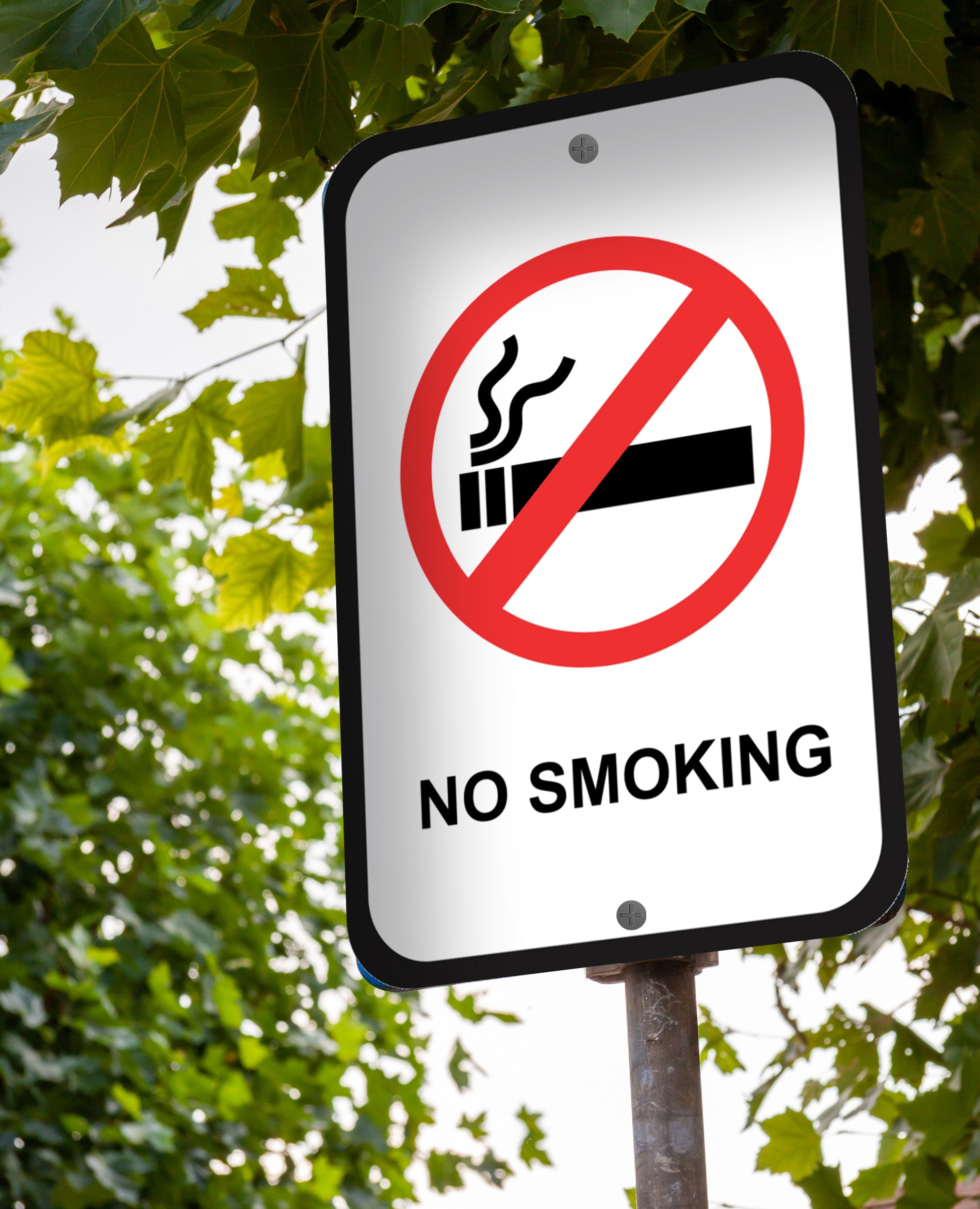
- Advertising bans on tobacco products
- Indoor smoking bans in public places
- Outdoor smoking bans in public spaces (increasingly implemented)
- Plain packaging requirements for tobacco products
- Price increases through taxation
- Restrictions on sales to minors
- Public education campaigns
- Media campaigns raising awareness about smoking harms
Current smoking patterns
Despite the dramatic decrease in rates, tobacco smoking remains Australia's leading preventable health risk. The 9.3% disease burden figure includes the impacts of:
- Past tobacco use (from people who have quit but still experience health consequences)
- Current tobacco use
- Exposure to secondhand smoke
Note
Gender patterns: Historically, males smoked at significantly higher rates than females. While current smoking rates are now more equal between males and females, males still experience approximately 60% of the total smoking-related disease burden - reflecting the legacy of higher past smoking rates.
The challenge of addiction: Although the dangers of smoking have been scientifically proven for over 40 years, people continue to smoke and die from smoking-related conditions. Both physical and mental addiction to cigarettes make smoking one of the hardest addictions to overcome.
Health impacts of smoking
Tobacco smoke contains more than 4,000 chemicals, which can lead to a wide range of serious health conditions. The six major areas of health impact are:
Cardiovascular disease
Cardiovascular disease accounts for nearly 20% of all smoking-related disease burden, making it one of the most significant impacts of tobacco use.
How smoking damages the cardiovascular system:
Tobacco smoke reduces the amount of oxygen in the blood, which causes the heart to work harder, leading to increased blood pressure and heart rate. The chemicals in tobacco smoke also:
Important
Accelerate atherosclerosis: This is the build-up of plaque on blood vessel walls, making it harder for blood to flow through. Atherosclerosis significantly increases the risk of heart attack and stroke, contributing to higher mortality rates from these conditions.
- Thicken the blood: Tobacco chemicals make blood stickier and more likely to form clots. While blood clots are necessary to stop bleeding, they can also block blood vessels and restrict blood flow to vital organs including the heart and brain.
These cardiovascular effects contribute substantially to mortality rates, health-adjusted life expectancy, and life expectancy.
Cancer
Tobacco smoking is the most preventable risk factor for cancer and cancer-related deaths in Australia.
How smoking causes cancer:
Tobacco smoke interferes with normal cell division, causing faults that can lead to tumour development and ultimately cancer. These faults can occur in many parts of the body.
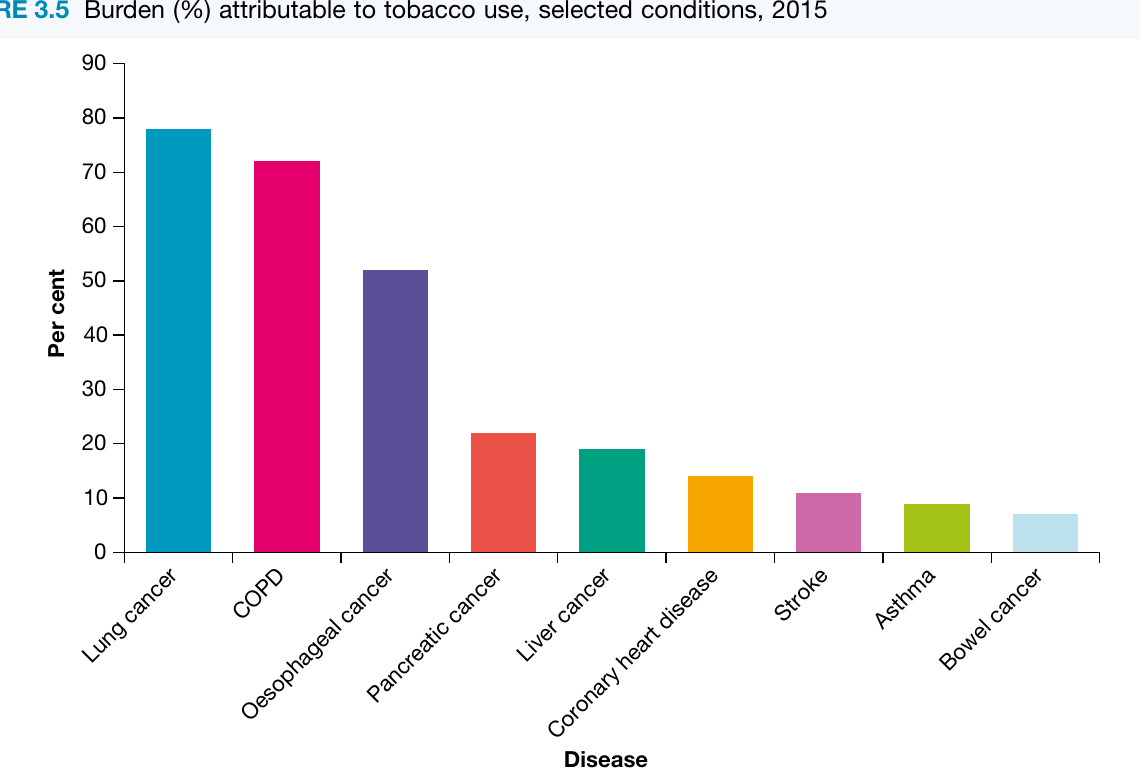
Specific cancer statistics (2015):
- Lung cancer: Almost 80% of lung cancer burden is attributable to tobacco use
- Oesophageal cancer: Approximately 52% of the total burden
- Liver cancer: Nearly 22% of the burden
- Pancreatic cancer: Significant contributor
- Bowel cancer: Also affected by tobacco use
Note
Cancer caused by smoking contributes significantly to both mortality rates and years of life lost (YLL), as most tobacco-related cancers have high fatality rates.
Prenatal and infant health outcomes
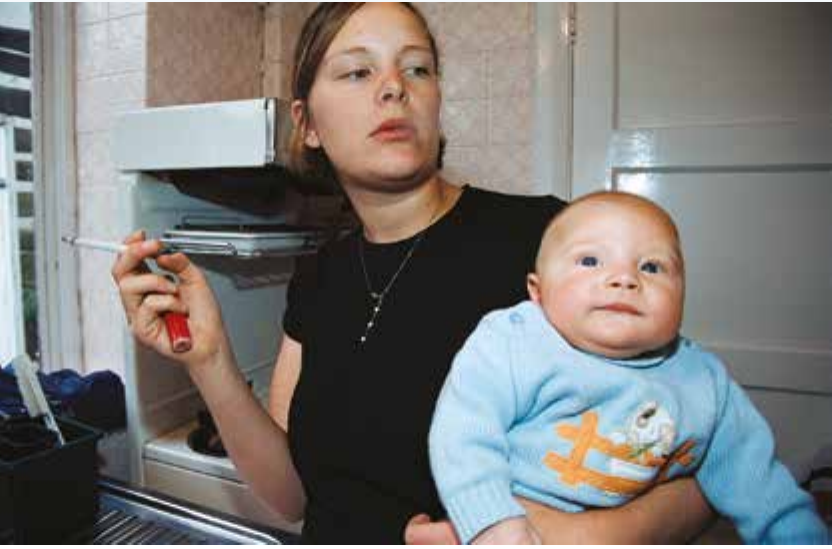
Smoking during pregnancy has serious consequences for babies' health and development.
How smoking affects pregnancy:
Tobacco use during pregnancy reduces blood flow to the baby, which decreases the amount of nutrients available for optimal development and growth. This increases the risk of having a baby with low birth weight.
Important
Low birth weight is defined as weighing under 2.5 kilograms at birth. Babies born with low birth weight face several serious risks:
- Underdeveloped immune system: Makes them more susceptible to infections
- Increased risk of premature death: Contributes significantly to infant mortality rates and under-five mortality rates
- Long-term health impacts: Low birth weight is a leading contributor to disease burden for children aged 0-14 in Australia
These effects impact both morbidity (through increased infections and health problems) and mortality rates (through premature death).
Asthma
How smoking affects asthma:
Exposure to tobacco smoke in early life (including exposure while in the womb) increases the risk of developing asthma. For people who already have asthma, exposure to tobacco smoke can:
- Increase the risk of suffering an asthma attack
- Make asthma symptoms more difficult to control
- Worsen the severity of symptoms
Note
Understanding asthma: Asthma causes the muscles in the airways to tighten while the airway lining becomes swollen and inflamed, producing sticky mucus. These changes narrow the airways, making breathing difficult.
Statistics: In 2015, approximately 10% of the total asthma burden was attributable to tobacco smoking. Unlike many other smoking-related conditions, the burden from asthma is mainly due to non-fatal outcomes (over 90%), contributing primarily to morbidity rates and years lost due to disability (YLD).
Respiratory disease
Tobacco smoke damages the airways, contributing to various respiratory conditions, particularly chronic obstructive pulmonary disease (COPD).
Understanding COPD:
COPD is a serious respiratory condition that includes:
- Chronic bronchitis
- Emphysema
COPD is characterised by reduced airflow into the lungs and limited ability to use oxygen due to damaged lung tissue.
How tobacco causes COPD:
- Causes inflammation of the airways
- Destroys the air sacs in the lungs (where gas exchange occurs)
Important
Impact of COPD:
- COPD was the fourth leading cause of premature death for both males and females in 2019
- In 2015, tobacco use was responsible for 72% of the disease burden attributed to COPD
- COPD significantly impacts mortality rates, life expectancy, and health-adjusted life expectancy
Infectious disease
Tobacco smoke exposure can lower immune system function, increasing the risk of contracting infectious diseases such as:
- Upper respiratory tract infections
- Pneumonia
Note
Children are particularly vulnerable: Children exposed to tobacco smoke are especially susceptible to infections, contributing to morbidity rates and years lost due to disability (YLD) among younger age groups.
Understanding the burden of disease from smoking
Fatal versus non-fatal burden
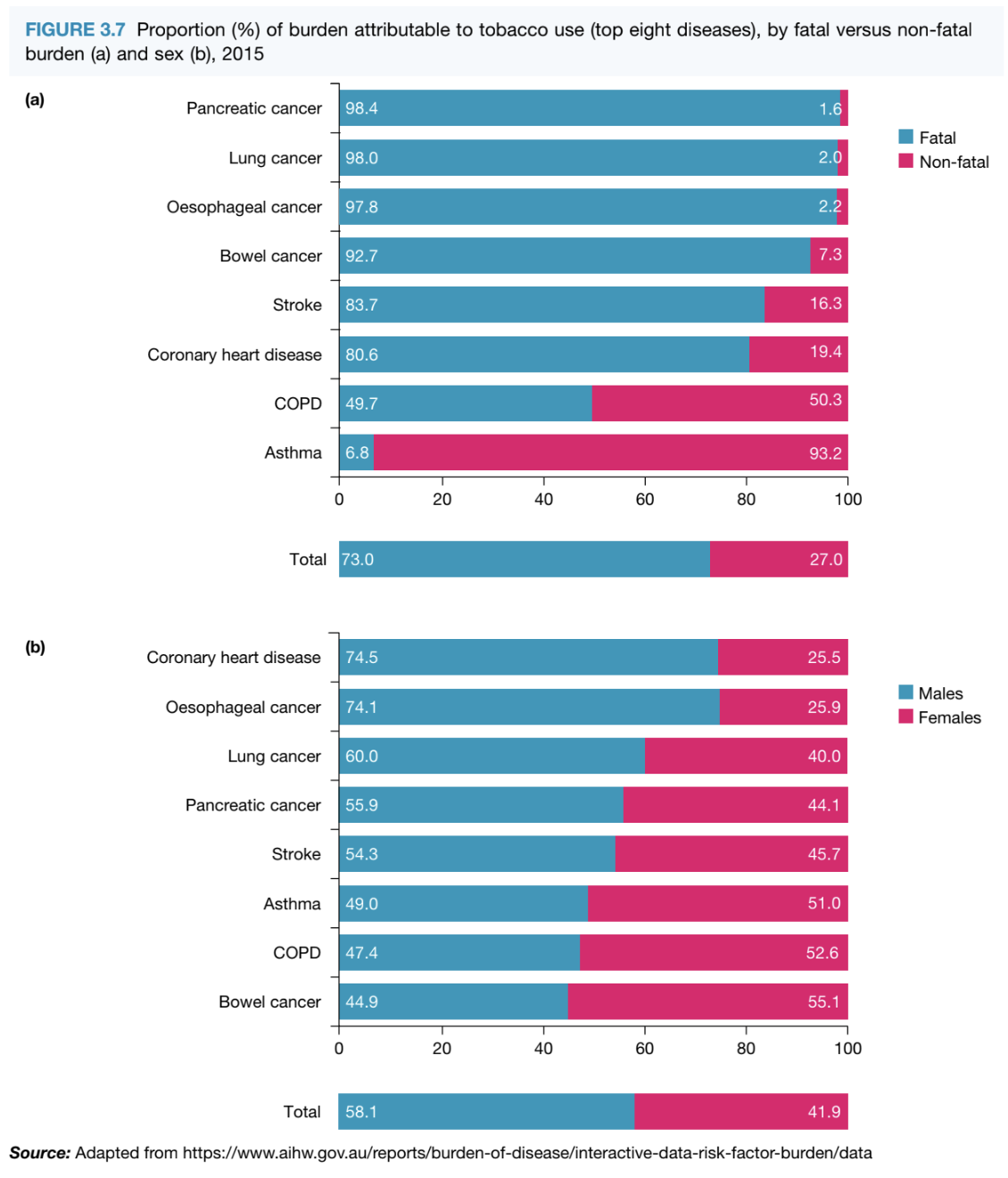
Across all diseases caused by smoking, approximately 75% of the total burden is due to premature mortality (years of life lost - YLL). This has a significant impact on:
- Mortality rates
- Health-adjusted life expectancy
- Life expectancy
The remaining 25% is due to non-fatal outcomes (years lost due to disability - YLD), which primarily affects morbidity rates.
However, the split between fatal and non-fatal burden varies greatly by disease:
Note
Highly fatal diseases:
- Pancreatic cancer: 98.4% fatal
- Lung cancer: 98.0% fatal
- Oesophageal cancer: 97.8% fatal
Mainly non-fatal:
- Asthma: Only 6.8% fatal (93.2% non-fatal)
Gender distribution
Almost 60% of the disease burden attributed to tobacco is experienced by males, despite current smoking rates being relatively equal between males and females.
This reflects the historical pattern where males smoked at significantly higher rates than females. Even though males have largely quit, they continue to experience greater ill health from their past tobacco use.
Gender differences by disease:
- Oesophageal cancer: 74.1% males, 25.9% females
- Lung cancer: 60.0% males, 40.0% females
- Coronary heart disease: 74.5% males, 25.5% females
- COPD: 47.4% males, 52.6% females (one of the few conditions where females experience slightly more burden)
Age distribution
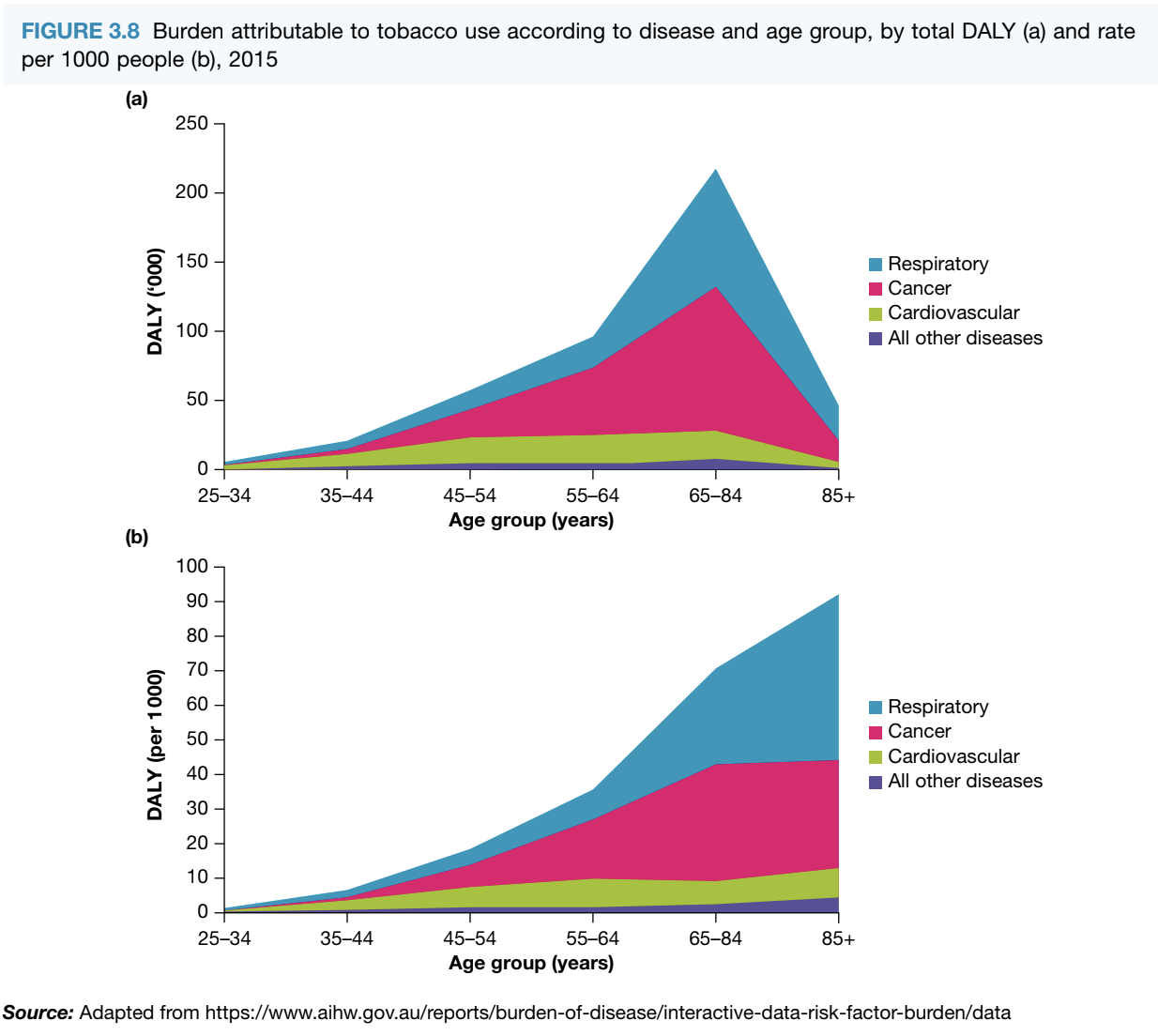
The burden of disease from tobacco smoking varies significantly across age groups.
Key patterns by age:
- Ages 25-44: Cardiovascular diseases are the largest contributor to smoking burden
- Ages 55-84: Cancers contribute almost 50% of the disease burden attributed to tobacco
- Ages 85+: Respiratory diseases become the dominant contributor
Note
Peak burden: The 65-84 age group experiences the highest absolute number of DALY from smoking (reaching approximately 220,000 DALY).
Rate per population: When looking at the rate per 1,000 people, the burden increases steadily with age, reaching approximately 90 DALY per 1,000 people in the 85+ age group.
Summary
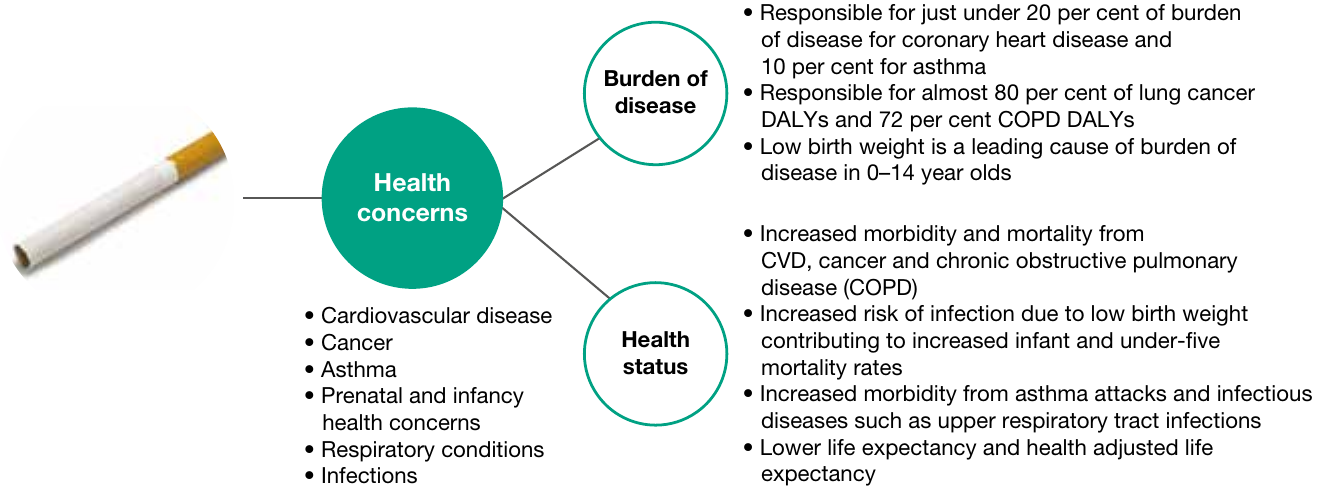
Smoking is Australia's leading preventable health risk factor, with wide-ranging impacts on both health status and burden of disease. The main health concerns include cardiovascular disease, cancer, respiratory conditions, asthma, prenatal and infant health problems, and infectious diseases.
In terms of burden of disease, tobacco is responsible for:
- Just under 20% of coronary heart disease burden
- 10% of asthma burden
- Almost 80% of lung cancer DALY
- 72% of COPD DALY
- Low birth weight being a leading cause of burden in 0-14 year olds
For health status, smoking increases:
- Morbidity and mortality from cardiovascular disease, cancer, and COPD
- Risk of infections due to low birth weight, contributing to infant and under-five mortality rates
- Morbidity from asthma attacks and infectious diseases
- Leads to lower life expectancy and health-adjusted life expectancy
Remember!
Summary
Key Points to Remember:
-
Tobacco is Australia's #1 preventable risk factor, accounting for 9.3% of total disease burden
-
Smoking rates have dropped dramatically from 25% (1991) to 11% (2019) due to comprehensive public health interventions
-
75% of smoking's disease burden is fatal (premature death/YLL), significantly impacting mortality rates and life expectancy
-
Key disease impacts include:
- Cardiovascular disease (20% of smoking burden)
- Lung cancer (80% attributable to tobacco)
- COPD (72% attributable to tobacco)
- Low birth weight (major contributor to 0-14 age group burden)
-
Males experience 60% of smoking burden due to historically higher smoking rates, even though current rates are now similar between males and females
-
The burden peaks in ages 65-84, with:
- Cancers dominating the 55-84 age range
- Cardiovascular disease being most significant below 45
- Respiratory disease greatest in 85+ age group