Underconsumption of Vegetables, Fruit, and Dairy Foods (VCE SSCE Health and Human Development): Revision Notes
📚Revision Notes
Underconsumption of Vegetables, Fruit, and Dairy Foods
Introduction to dietary risks
Dietary risks have become some of the most significant preventable factors affecting health status in Australia. In 2015, dietary risks collectively caused approximately 7.3 per cent of the total burden of disease measured in DALY (Disability-Adjusted Life Years). Three key dietary concerns stand out as particularly important for Australian health outcomes: underconsumption of vegetables, fruit, and dairy foods; excessive intake of fat, salt, and sugar; and insufficient consumption of fibre and iron.
Note
Why This Matters
Dietary risks are preventable, meaning that with appropriate education and behavioral changes, a significant portion of Australia's disease burden could be reduced. Understanding the specific impacts of underconsumption helps target public health interventions more effectively.
This note focuses on how inadequate consumption of vegetables, fruit, and dairy foods contributes to Australia's health status and burden of disease.
Underconsumption of vegetables
Nutritional value of vegetables
Vegetables are nutrient dense foods, meaning they contain large amounts of nutrients such as vitamins and minerals whilst being low in kilojoules. They provide essential minerals including magnesium, vitamins such as vitamin C and folate, dietary fibre, and antioxidants (compounds in foods that neutralise free radicals).
When people eat a diverse range of vegetables, they increase both the variety and total amount of vitamins and minerals they consume. These nutrients support the proper functioning of body systems, particularly the immune system. This helps reduce the occurrence of serious conditions including cancer, cardiovascular disease, and neural tube defects.
Note
Key Definitions
- Nutrient dense (foods): foods that contain a large amount of nutrients such as vitamins and minerals
- Antioxidants: compounds in foods that neutralise free radicals
- Neural tube defects: conditions characterised by damage to the brain and spine, and to the nerve tissue of the spinal cord during prenatal development. Examples include spina bifida and anencephaly
Current consumption patterns
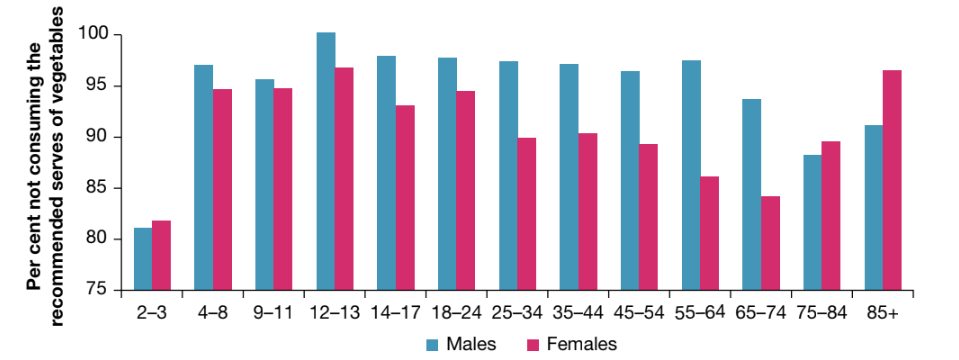
Despite the well-established benefits of consuming vegetables, the majority of Australians fail to meet the recommended daily intake. Data shows that across nearly all age groups and both sexes, over 80-95 per cent of the population do not consume sufficient vegetables. This widespread underconsumption significantly increases the rates and impacts of various health conditions.
Important
A National Health Crisis
The fact that 80-95% of Australians don't meet recommended vegetable intake represents one of the most significant dietary challenges facing the nation. This isn't a problem affecting a small minority—it's affecting nearly everyone.
Health concerns linked to vegetable underconsumption
High body mass index and associated conditions
Vegetables play an important role in weight management. When people consume vegetables instead of energy dense foods (foods that contain significant amounts of fat, carbohydrates and/or protein, therefore contributing large amounts of energy to the diet), they can better manage their weight and reduce their risk of high body mass index.
Vegetables are a rich source of fibre, which helps people feel fuller for longer periods. This reduces the likelihood of overeating and helps prevent weight gain. High fibre intake also reduces the risk of certain cancers, particularly colorectal cancer. Therefore, underconsumption of vegetables acts as a risk factor for developing high body mass index and all its associated conditions, including cardiovascular disease, type 2 diabetes, kidney disease, and various cancers.
Cardiovascular disease and cancer
Vegetables contain antioxidants that play a protective role in the body. These compounds work to reduce the damaging effects of free radicals (molecules formed when oxygen is metabolised that can damage healthy body cells and increase the risk of diseases such as cardiovascular disease and cancer).
Note
How Antioxidants Work
When antioxidants from vegetables are consumed, they target free radicals and eliminate them from the body. Think of antioxidants as protective shields that neutralise harmful molecules before they can damage healthy cells. This process reduces the burden of disease associated with cardiovascular disease and cancer.
People who underconsume vegetables often have low antioxidant intake, which increases their vulnerability to these conditions and contributes to higher rates of morbidity (illness) and mortality (death).
Neural tube defects
Specific nutrients found in vegetables, particularly folate, play a critical role in developing the brain and spinal cord during the prenatal stage of life. When women underconsume vegetables before and during pregnancy, they face an increased risk of their baby developing neural tube defects such as spina bifida. These conditions contribute to both mortality and morbidity in Australia, especially among infants.
Burden of disease from vegetable underconsumption
In 2015, a diet low in vegetables was responsible for 1.2 per cent of all disease and injury burden in Australia. To put this in context, low vegetable intake accounted for 14 per cent of the total burden associated with coronary heart disease and 8 per cent of the total stroke burden.
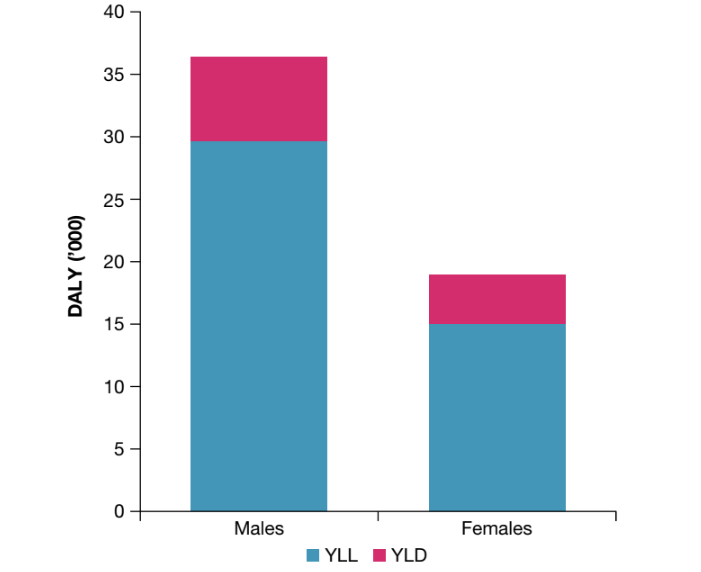
Overall, inadequate vegetable consumption contributed more than 55,000 DALY through both fatal outcomes (deaths) and non-fatal outcomes (living with illness or disability). The data reveals important gender differences: males experienced approximately 36,000 DALY whilst females experienced around 19,000 DALY from vegetable underconsumption.
Note
Understanding DALY Components
The burden can be broken down into:
- YLL (Years of Life Lost) due to premature death—these represent the years someone would have lived had they not died prematurely
- YLD (Years Lived with Disability) due to illness and reduced functioning—these represent years living with health conditions that reduce quality of life
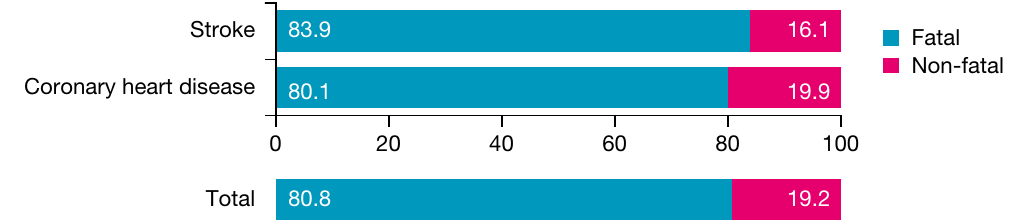
The fatal component (deaths) was responsible for 81 per cent of the total burden attributable to a diet low in vegetables. Looking at specific conditions:
- Stroke: 83.9% fatal, 16.1% non-fatal
- Coronary heart disease: 80.1% fatal, 19.9% non-fatal
- Total: 80.8% fatal, 19.2% non-fatal
Important
Predominantly a Fatal Burden
This high proportion of fatal burden (over 80%) demonstrates that vegetable underconsumption contributes significantly to premature death in Australia, not just to living with illness. Most of the disease burden comes from people dying early, rather than living with chronic conditions.
Impact on health status

The underconsumption of vegetables affects Australia's health status in several important ways:
Summary
Summary: Vegetable Underconsumption Impact Chain
Health concerns:
- High body mass index and associated conditions
- Various cancers
- Cardiovascular disease
- Neural tube defects
Burden of disease:
- YLL and YLD associated with high body mass index, including cardiovascular disease, type 2 diabetes, and some cancers
- DALY for infants associated with neural tube defects
Health status:
- Increased levels of morbidity and mortality due to cardiovascular disease and some cancers
- Higher infant and under-five mortality rates
- Lower life expectancy and HALE (Health-Adjusted Life Expectancy)
Underconsumption of fruit
Nutritional value of fruit
Similar to vegetables, fruits provide a range of essential nutrients including vitamins, minerals, and fibre. Fruits are naturally low in fat and serve as good sources of antioxidants. These nutritional characteristics mean that underconsumption of fruit reduces the adequate functioning of body systems and increases the risk of various conditions.
The greatest health benefits occur when individuals consume a range of raw, whole fruits. These varieties provide the highest amount and best combination of nutrients.
Important
Whole Fruit vs Fruit Juice
Fruit juice, whilst containing some nutrients, is often high in sugar and lacks the same level of fibre as whole fruits. Therefore, fruit juice should be consumed in moderation and cannot fully substitute for whole fruit. Always prioritise eating whole, fresh fruit over drinking fruit juice.
Current consumption patterns
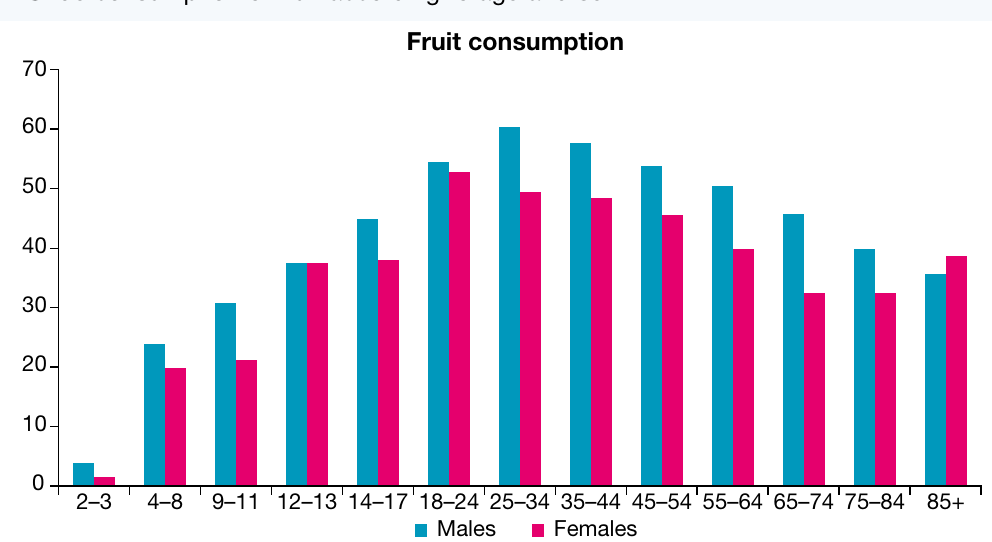
Australians of all ages are more likely to meet their daily recommended intake of fruit compared to vegetables. However, around half of the population still fail to consume enough fruit, which contributes significantly to health status and burden of disease.
The graph shows fruit consumption varies by age and sex:
- Very young children (2-3 years) have low fruit consumption
- Consumption increases through childhood and peaks in the 25-34 age group
- Males generally consume slightly more fruit than females in most age groups
- Fruit consumption remains relatively high in middle age
- There is a gradual decline in fruit consumption in older age groups
Health concerns linked to fruit underconsumption
High body mass index and associated conditions
People who eat adequate amounts of fruit are likely to feel fuller for longer periods. This reduces their likelihood of consuming energy dense foods and helps protect against weight gain, high body mass index, and associated conditions such as cardiovascular disease, type 2 diabetes, and some cancers. When fruit consumption is inadequate, the risk of developing these conditions increases.
Cardiovascular disease, cancers, and neural tube defects
Because fruit contains relatively high amounts of nutrients including vitamins, minerals, and fibre, whilst being low in fat and a good source of antioxidants, it plays similar protective roles in the body as vegetables. Consequently, underconsumption of fruit also increases the risk of conditions such as cardiovascular disease, various cancers, and neural tube defects through the same mechanisms described for vegetables.
Note
Parallel Protection Pathways
Fruit protects health through the same mechanisms as vegetables:
- Antioxidants neutralise free radicals, reducing cellular damage
- Fibre promotes satiety and healthy weight management
- Essential vitamins and minerals support immune function and tissue development
- Low kilojoule density helps prevent overconsumption of energy
Burden of disease from fruit underconsumption
In 2015, underconsumption of fruit was responsible for 1.4 per cent of all disease and injury burden in Australia. Specifically, the data shows:
- Approximately 45,000 DALY due to cardiovascular disease
- Around 13,500 DALY due to cancer
- Approximately 7,500 DALY due to type 2 diabetes
Males contributed more DALY than females across all these disease groups.
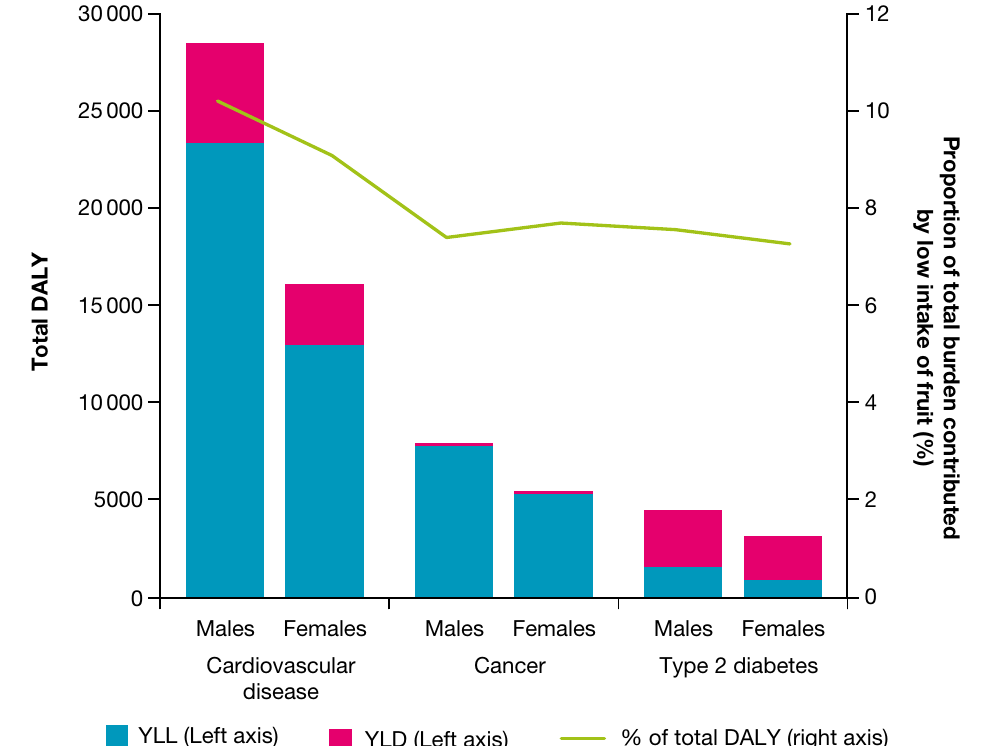
The graph reveals important patterns in how fruit underconsumption affects different conditions and sexes. Cardiovascular disease shows the highest burden (approximately 28,000 DALY for males and 16,000 for females), followed by cancer and type 2 diabetes with substantially lower values. The proportion of total disease burden contributed by low fruit intake decreases from around 10% for cardiovascular disease to approximately 7% for other conditions.
Fatal versus non-fatal burden
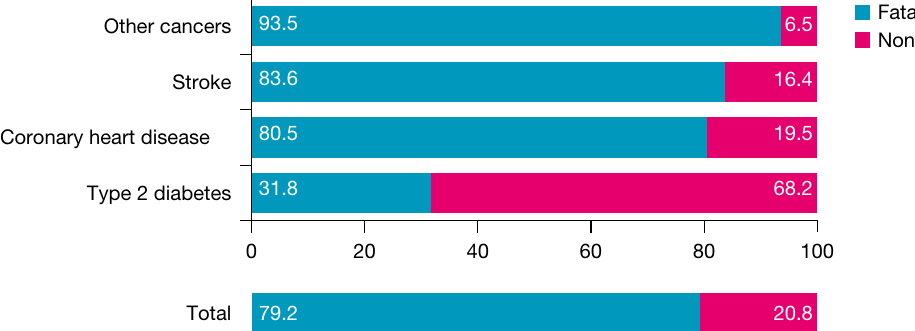
Overall, almost 80 per cent of the disease burden attributable to inadequate fruit consumption was due to fatal burden (deaths). Most diseases caused by low fruit intake showed a significantly higher proportion of fatal outcomes compared to non-fatal outcomes:
- Lung cancer: 98.1% fatal, 1.9% non-fatal
- Other cancers: 93.5% fatal, 6.5% non-fatal
- Stroke: 83.6% fatal, 16.4% non-fatal
- Coronary heart disease: 80.5% fatal, 19.5% non-fatal
- Type 2 diabetes: 31.8% fatal, 68.2% non-fatal (notably different pattern)
- Total: 79.2% fatal, 20.8% non-fatal
Note
Type 2 Diabetes: A Different Pattern
Type 2 diabetes stands out as the only condition where non-fatal burden exceeds fatal burden (68.2% vs 31.8%). This reflects that people often live with this condition for many years, experiencing reduced quality of life and disability, rather than dying from it quickly. This makes it predominantly a burden from years lived with disability (YLD) rather than years of life lost (YLL).
Gender differences in burden
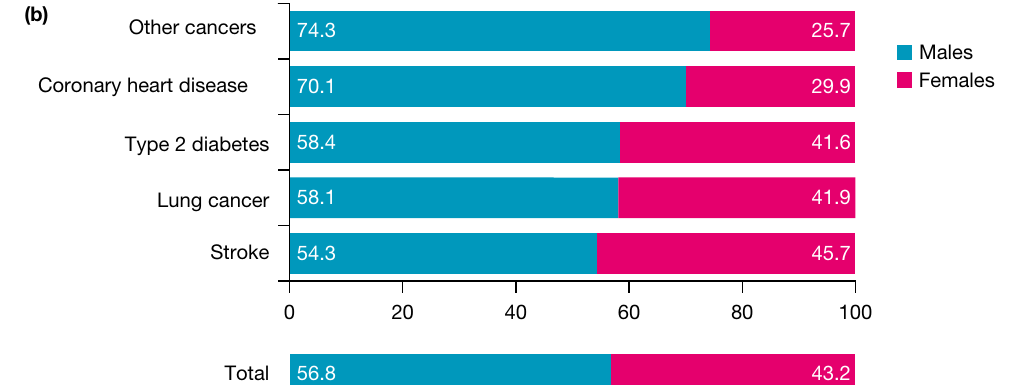
Around 57 per cent of the disease burden attributed to underconsumption of fruit was experienced by males. Gender differences varied by condition:
- Males experienced 70 per cent of the burden due to coronary heart disease caused by inadequate fruit intake
- Stroke burden from fruit underconsumption was similar between males and females (54.3% males, 45.7% females)
- The burden of cancers caused by insufficient fruit intake was more likely to be experienced by males
- Specific cancers showed even greater male predominance: other cancers (74.3% males), lung cancer (58.1% males)
- Type 2 diabetes burden was relatively balanced (58.4% males, 41.6% females)
- Total burden: 56.8% males, 43.2% females
Important
Why Males Experience Greater Burden
Males consistently experience a higher proportion of disease burden from fruit underconsumption across nearly all conditions. This may reflect differences in dietary patterns, portion sizes, or potentially biological factors affecting disease susceptibility. Public health interventions should particularly target male populations to increase fruit consumption.
Impact on health status
The underconsumption of fruit affects Australia's health status through multiple pathways:
Summary
Summary: Fruit Underconsumption Impact Chain
Health concerns:
- High body mass index and associated conditions
- Various cancers
- Cardiovascular disease
- Neural tube defects
Burden of disease:
- YLL and YLD associated with high body mass index, including cardiovascular disease, type 2 diabetes, and some cancers
- DALY for infants associated with neural tube defects
Health status:
- Increased levels of morbidity and mortality due to cardiovascular disease and some cancers
- Higher infant and under-five mortality rates
- Lower life expectancy and HALE
Underconsumption of dairy
What is dairy?
Dairy refers to animal milk and products created from animal milk, including cheese and yoghurt. In Australia, the most common forms of dairy are products made using cow's milk, although varieties made using milk from goats and sheep are also readily available.
Note
Common Misconception About Dairy and Weight
Some Australians, particularly younger people, reduce their dairy intake because they believe these foods contribute to weight gain. However, there is insufficient scientific evidence to support this claim. When consumed in appropriate amounts, dairy can be part of a healthy, balanced diet without causing weight gain.
Around 5 per cent of the Australian population experience dairy intolerance, which is a reduced ability to digest lactose (a type of sugar found in dairy products). For affected individuals, fortified milk substitutes (foods where nutrients have been artificially added to increase nutritional value) such as soy or almond milk can satisfy dairy needs. However, these products are not technically dairy and therefore are not considered in this discussion of dairy underconsumption.
Health concerns linked to dairy underconsumption
Osteoporosis
The main nutritional contribution of dairy is the provision of calcium, a mineral essential for numerous functions in the human body. Calcium's most important role is strengthening bones and preventing osteoporosis.
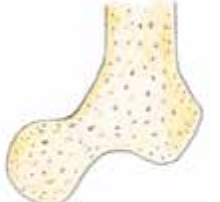
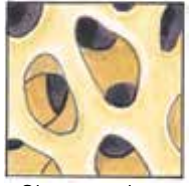
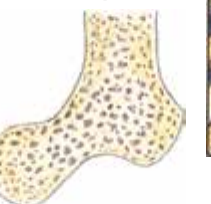
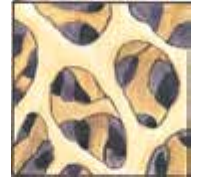
Osteoporosis is a bone disease characterised by weak, porous bones that are highly susceptible to fracture. The images show the difference between normal bone tissue (which is dense and compact) and bone affected by osteoporosis (which has large spaces and is fragile). Adequate calcium intake through dairy consumption helps build peak bone mass during youth and maintains bone strength throughout life, thereby reducing osteoporosis risk.
Important
Critical Window for Bone Health
Bone health is built during childhood, adolescence, and early adulthood. The calcium consumed during these years determines peak bone mass, which then gradually declines throughout life. Underconsumption of dairy during youth has lifelong consequences, as bones never reach their full strength potential and are more vulnerable to osteoporosis in later life.
Other health conditions
Beyond osteoporosis, research has demonstrated that underconsumption of dairy increases morbidity and mortality related to several other conditions:
Cardiovascular disease: Underconsumption of dairy has been associated with increased risk of coronary heart disease, hypertension (high blood pressure), and stroke.
Colorectal cancer: According to the Australian Dietary Guidelines, recent evidence suggests that people who regularly consume more than one serve of dairy products each day (particularly milk) have a reduced risk of developing colorectal cancer. Therefore, underconsumption of dairy increases this risk.
Type 2 diabetes: A 10-year study of 3,000 overweight adults found that underconsumption of milk and other milk products, combined with consuming refined sugars and carbohydrates instead, may increase the risk of overweight young adults developing type 2 diabetes.
Dental caries: Dental caries (decay of teeth caused by a breakdown in the tissues that make up the tooth) becomes more likely when dairy is underconsumed. Without adequate dairy intake, teeth may not develop the strength they need to resist decay, increasing the risk of dental caries throughout life.
Burden of disease from dairy underconsumption
Data specifically relating to the burden of disease attributable to underconsumption of dairy are limited. Available data relates to underconsumption of milk and the specific conditions attributed to dairy underconsumption.
In 2015, underconsumption of milk was linked to 0.2 per cent of the total burden of disease in Australia. Much of this burden resulted from the relationship between milk and osteoporosis.
Note
Limited But Significant Data
While 0.2% may seem small compared to fruit and vegetables (1.4% and 1.2% respectively), this still represents thousands of Australians experiencing preventable disease and disability. Additionally, the data available is limited, suggesting the true burden may be higher when all dairy-related conditions are fully accounted for.
Osteoporosis prevalence
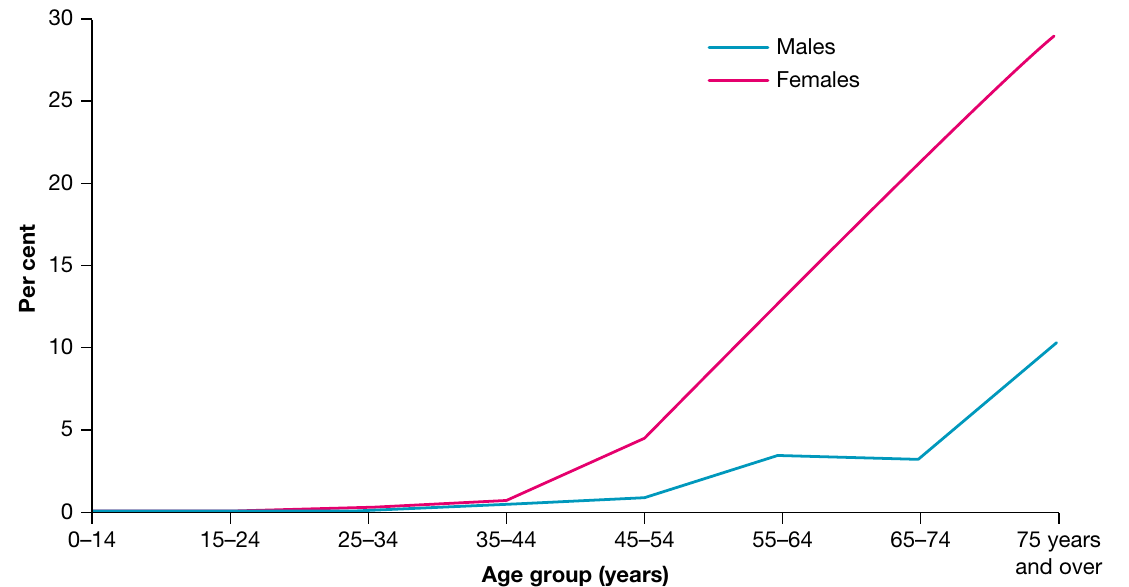
In 2017-18, 3.8 per cent (just over 900,000) of Australians experienced osteoporosis. The condition shows stark gender and age patterns:
- Women overall were twice as likely to experience osteoporosis compared to males
- In the 55 years and over age group, women were five times more likely than men to have osteoporosis
- The graph shows rates remain very low for both sexes until around age 45-54
- After age 55, rates increase dramatically, especially for females
- By age 75 and over, approximately 29% of females have osteoporosis compared to about 10% of males
Important
Dramatic Gender and Age Disparities
The five-fold difference between women and men aged 55+ for osteoporosis represents one of the most dramatic gender disparities in any health condition. This pattern likely reflects hormonal changes associated with menopause in women, which accelerates bone density loss. Post-menopausal women should be particularly vigilant about dairy consumption and bone health.
Impact on health status
The underconsumption of dairy affects Australia's health status through several pathways:
Summary
Summary: Dairy Underconsumption Impact Chain
Health concerns:
- Osteoporosis
- Cardiovascular disease
- Colorectal cancer
- Type 2 diabetes
- Dental caries
Burden of disease:
- Contributes significant YLD as a result of osteoporosis, especially among older females
- DALY associated with cardiovascular disease, colorectal cancer, and type 2 diabetes
- YLD due to dental caries
Health status:
- Morbidity due to osteoporosis
- Morbidity and mortality due to cardiovascular disease, colorectal cancer, and type 2 diabetes
- Incidence of dental caries
The burden from osteoporosis is particularly important for older females, who experience substantial years lived with disability due to fragile bones, fractures, and associated complications.
Remember!
Summary
Key Takeaways: Underconsumption of Vegetables, Fruit, and Dairy
Vegetables are nutrient dense:
- Provide essential vitamins, minerals, fibre, and antioxidants whilst being low in kilojoules
- Most Australians (80-95%) don't meet recommended intakes
- Contributed 1.2% of total disease burden in 2015
- 81% of burden from fatal outcomes (premature death)
Fruit provides similar benefits to vegetables:
- Around half of Australians don't consume enough fruit
- Caused 1.4% of total disease burden in 2015
- Males contributed more DALY than females across cardiovascular disease, cancer, and type 2 diabetes
- Almost 80% fatal burden, demonstrating significant contribution to premature death
Both vegetables and fruit protect against major conditions:
- Inadequate consumption increases risks of high body mass index, cardiovascular disease, various cancers, and neural tube defects
- Both show predominantly fatal burden (around 80%)
- Protective mechanisms include antioxidants neutralising free radicals, fibre promoting satiety, and essential nutrients supporting immune function
Dairy is essential for bone health:
- Main benefit is calcium provision, which prevents osteoporosis
- Women are twice as likely overall to develop osteoporosis, and five times more likely after age 55
- Also reduces risks of cardiovascular disease, colorectal cancer, type 2 diabetes, and dental caries
- Contributes 0.2% of total disease burden, primarily through osteoporosis
Gender and age patterns matter:
- Males experience higher total burden from fruit and vegetable underconsumption
- Females face dramatically higher rates of osteoporosis from dairy underconsumption, particularly in older age groups (55+)
- Different conditions show different gender patterns—important for targeting public health interventions
Mnemonic for health impacts: Think "CHBN"
- Cardiovascular disease
- High BMI
- Body cancers
- Neural tube defects
Mnemonic for dairy conditions: Think "OCCDD"
- Osteoporosis
- Cardiovascular
- Colorectal cancer
- Diabetes
- Dental caries