Corrosion & Its Prevention (AQA GCSE Chemistry): Revision Notes
📚Revision Notes
10.3.1 Corrosion & Its Prevention
Corrosion & Its Prevention
Note
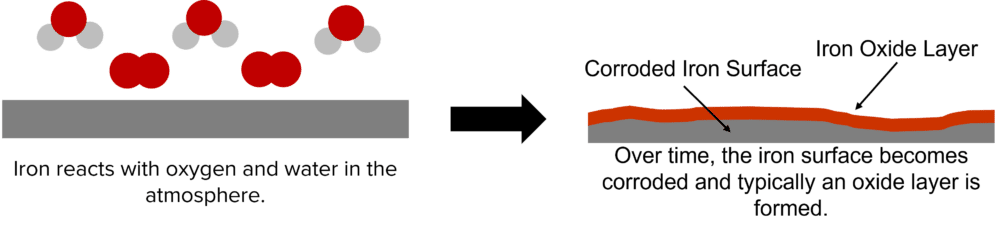
Corrosion is the process by which metals deteriorate due to chemical reactions with their environment. The most well-known form of corrosion is rusting, which occurs when iron reacts with oxygen and water in the air. This reaction destroys the iron, forming a layer of iron oxide, commonly known as rust, on the surface of the metal.
.
The Problem of Corrosion
Corrosion is a significant issue for metals exposed to the elements, as it reduces their structural integrity and alters their properties. Preventing corrosion is therefore important to maintain the durability and functionality of metal objects and structures.
Methods of Preventing Corrosion
To protect metals from corrosion, they can be coated with a protective layer that prevents chemical reactions between the metal and its environment.
Note
Some common methods of corrosion prevention include:
- Painting:
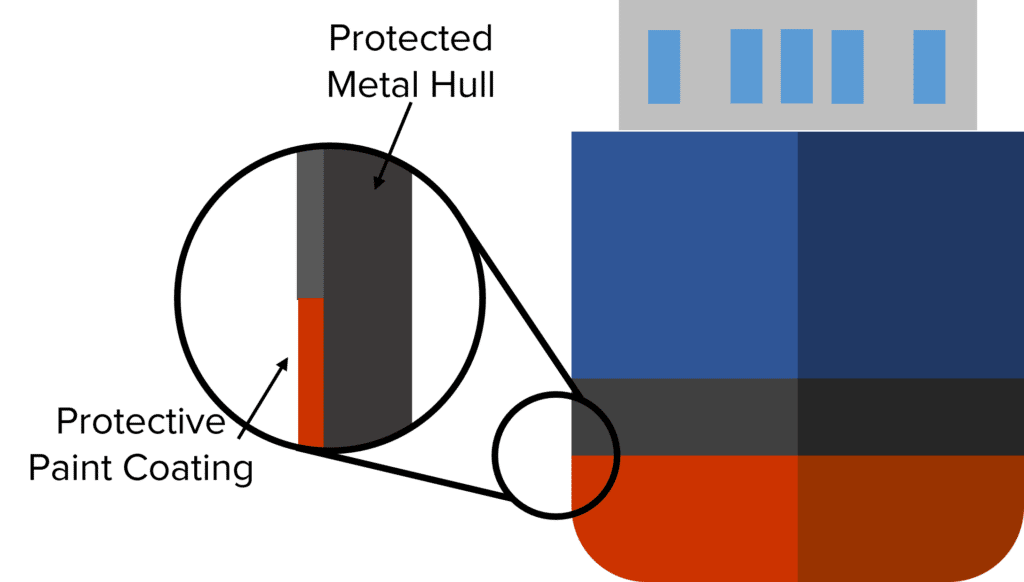
Example: The hulls of ships are at risk of corrosion due to exposure to seawater. To prevent the metal hull from corroding and compromising the ship's structural integrity, the hull is often painted. The paint acts as a protective barrier, preventing seawater from reaching the metal surface and thus stopping corrosion.
- Electroplating:
- In electroplating, a metal object is coated with a thin layer of another metal using an electrical current. This coating can protect the underlying metal from environmental exposure.
- Greasing:
- Grease or oil can be applied to metal surfaces to create a barrier that prevents moisture and oxygen from coming into contact with the metal, thereby reducing the risk of corrosion.
- Inherent Protective Coatings:
- Some metals, like aluminium, form their own protective coatings naturally. When aluminium corrodes, it forms a layer of aluminium oxide on its surface. This oxide layer is inert, meaning it does not react further with the environment, effectively stopping any additional corrosion and protecting the underlying aluminium.
- Sacrificial Protection:
- Galvanisation: This method involves coating metal, such as iron, with a more reactive metal like zinc. In this case, the zinc corrodes in preference to the iron. The zinc layer provides sacrificial protection, as it will corrode first, protecting the iron from rusting. This method is commonly used in galvanising iron and steel.
:::