High Altitude Training (AQA GCSE Physical Education): Revision Notes
📚Revision Notes
High Altitude Training
High Altitude Training As A Form Of Aerobic Training
There are fewer air molecules at altitude. This means there is less oxygen available to take into our body. This means there is less oxygen available to get to the working muscles. The body's oxygen-carrying capacity is reduced at high altitudes.
Note
When an athlete first tries altitude training their performance will be worse.
However, after several weeks of training at high altitudes, their body will adapt:
- Increasing red blood cells
- Increasing haemoglobin When they return to sea level, they will have an advantage because their oxygen-carrying capacity will have increased
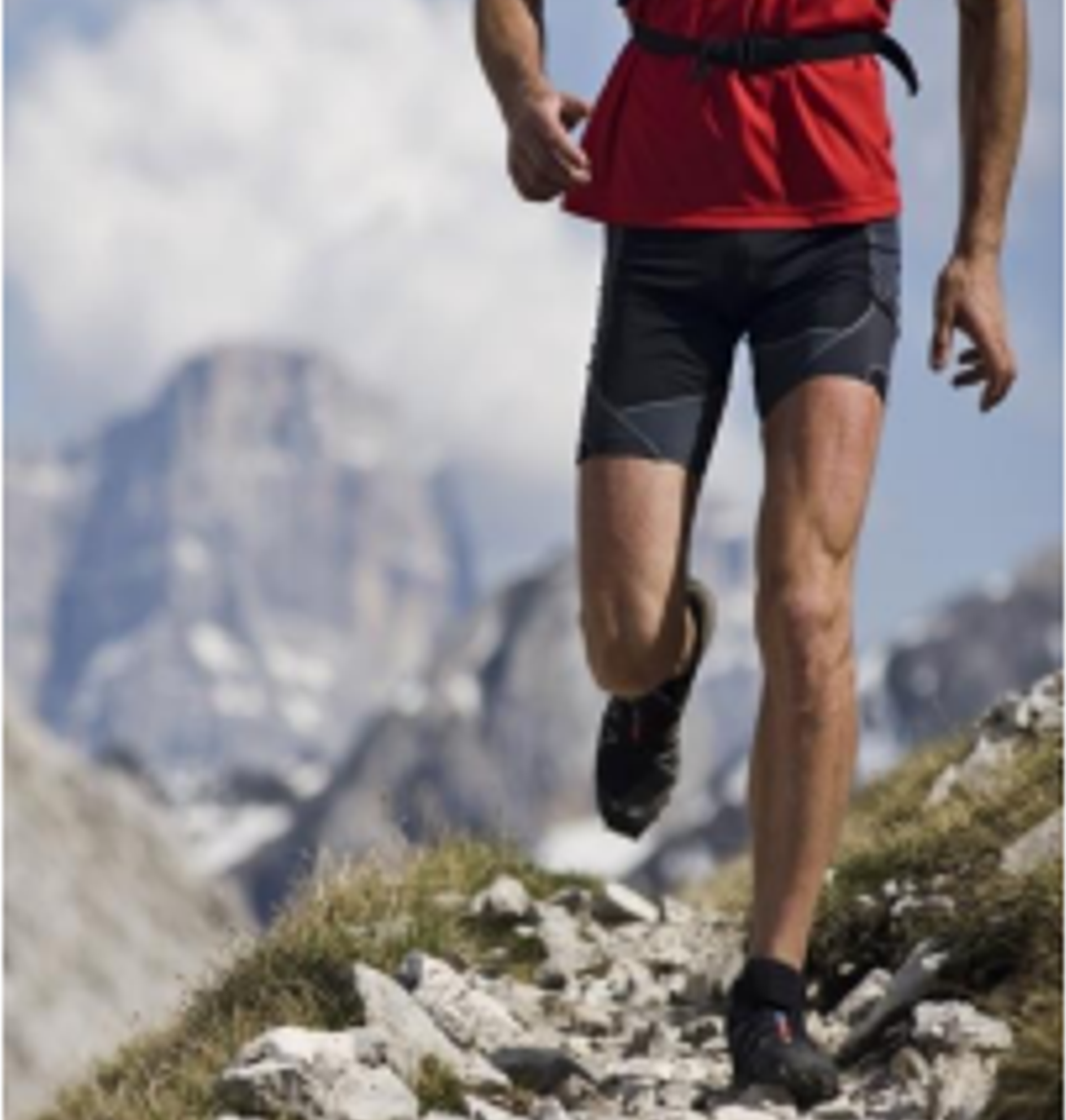
Hiking on the trail
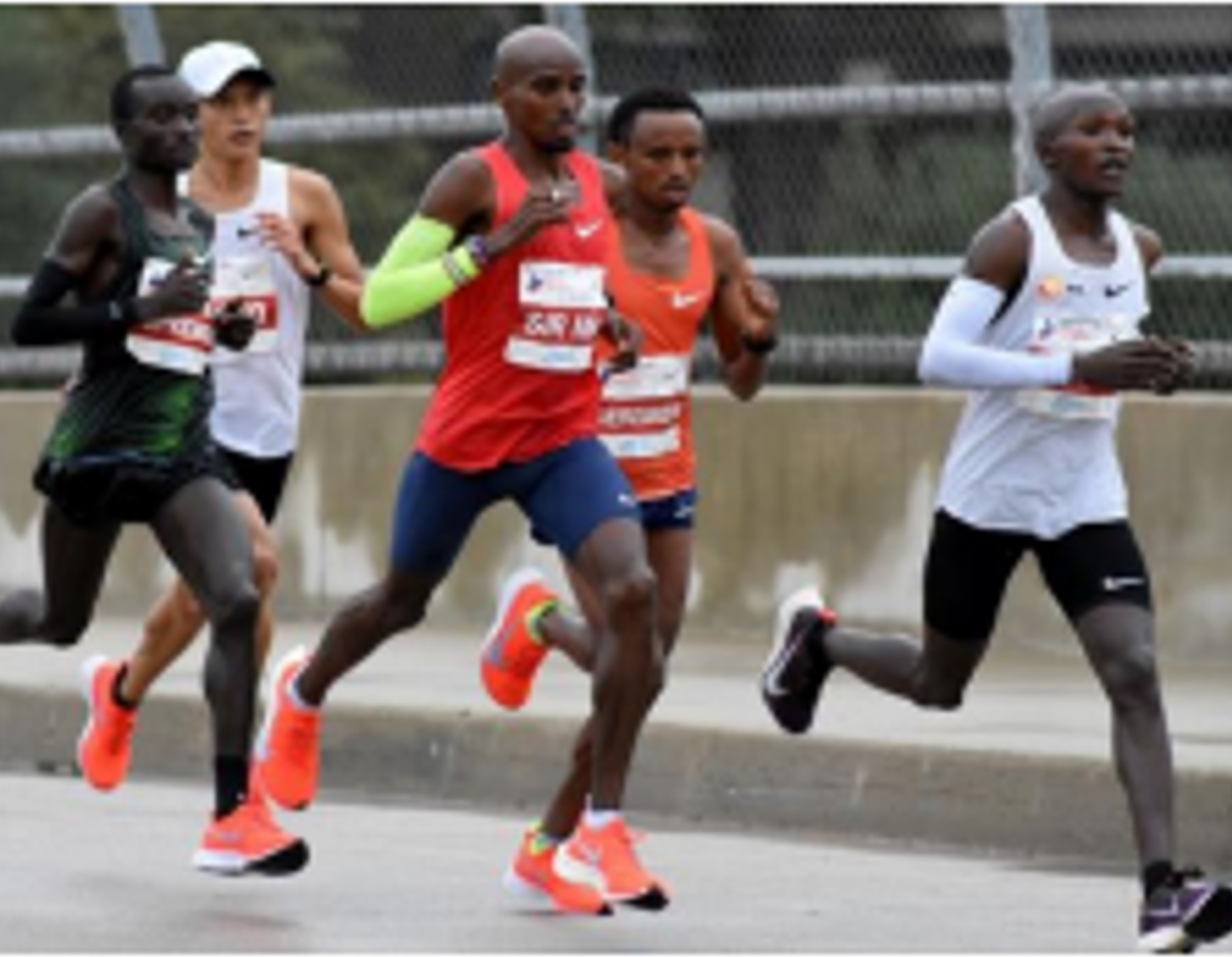
Marathon racers
Benefits Of High-altitude Training
- Increased red blood cell production
- Increased oxygen-carrying capacity
- A greater amount of oxygen is transported to the working muscles once athletes return to sea level These benefits are particularly helpful to endurance athletes who rely on aerobic energy production for example marathon runners and triathletes
Limitations Of High-altitude Training
- Adaptations take time
- Expensive to live away from home
- Timing of training for competition needs careful planning
- Timing of training for competition needs careful planning
- Altitude sickness (nausea caused by training at altitude)
- Limited to aerobic activities (no effect on anaerobic events)
- This can make it harder to train at high intensities needed for anaerobic activities

A tired man