Adaptions of leaves & plants (Edexcel GCSE Biology Combined Science): Revision Notes
📚Revision Notes
Adaptions of leaves & plants
Adaptations of Leaves for Photosynthesis and Gas Exchange
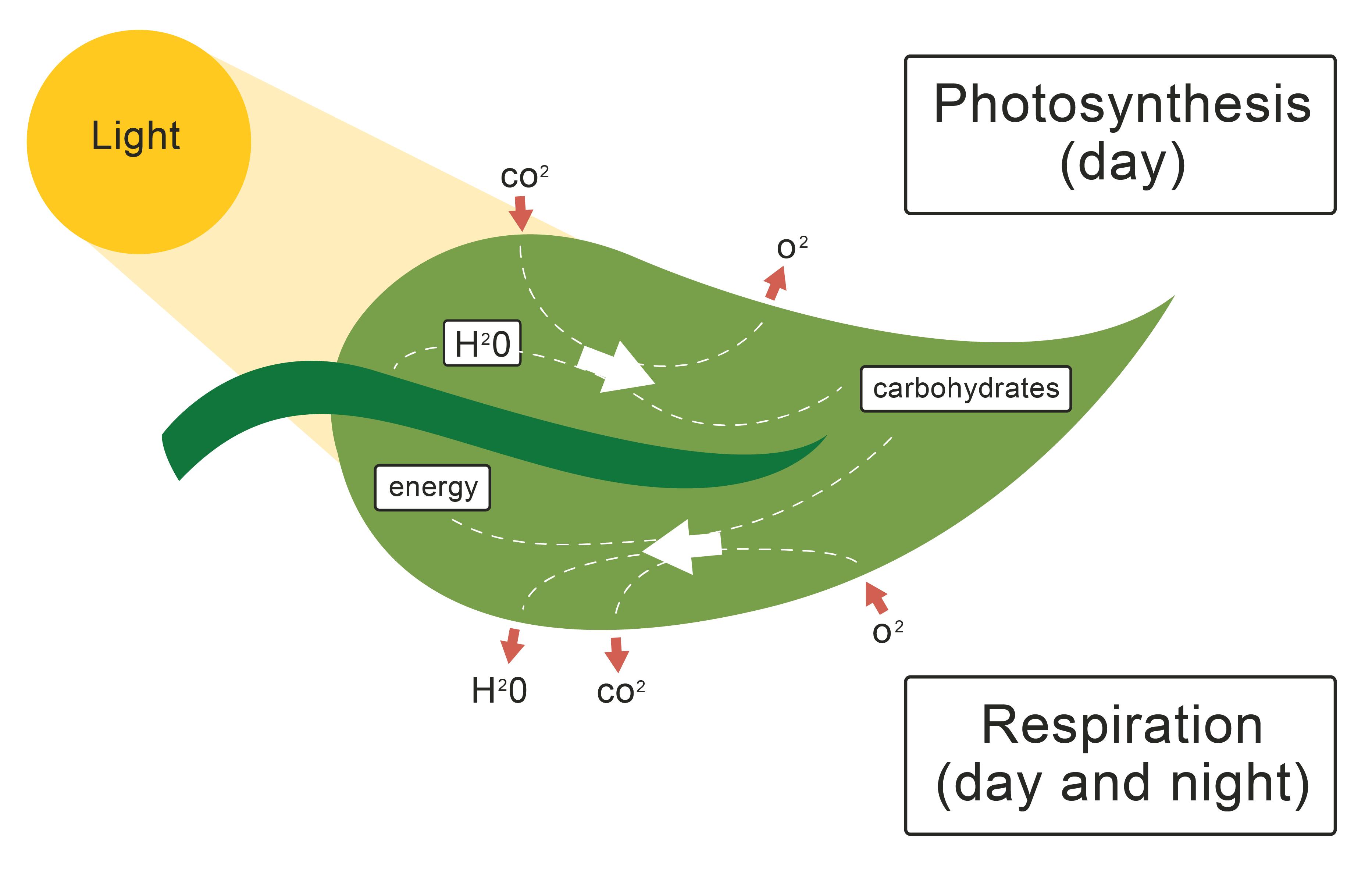
Leaves are essential for photosynthesis, the process by which plants produce glucose and oxygen using light energy, carbon dioxide, and water. Leaves are also involved in gas exchange, allowing carbon dioxide to enter and oxygen to leave the plant. Here are some key adaptations that make leaves efficient for both photosynthesis and gas exchange:
Key Adaptations of Leaves for Photosynthesis
| Adaptation | Purpose |
|---|---|
| Large surface area | Increases the amount of light absorbed for photosynthesis. |
| Thin structure | Reduces the distance for carbon dioxide to diffuse into leaf cells. |
| Chlorophyll | Absorbs sunlight and converts it into chemical energy for photosynthesis. |
| Network of veins | Supports the leaf and transports water, minerals, and sucrose. |
| Stomata | Allow carbon dioxide to enter and oxygen to leave the leaf. |
Internal Structure of the Leaf
The internal structure of the leaf is highly adapted to maximise photosynthesis and gas exchange:
| Tissue | Adaptation | Purpose |
|---|---|---|
| Epidermis (thin and transparent) | The thin layer allows more light to reach the palisade cells. | Maximises light absorption. |
| Waxy cuticle | The thin layer of wax on the surface of the leaf. | Prevents water loss by evaporation, while still allowing light to pass. |
| Palisade cell layer | Located at the top of the leaf with densely packed cells containing chloroplasts. | Absorbs the most light, increasing the rate of photosynthesis. |
| Spongy mesophyll layer | Contains air spaces between cells. | Allows gases to diffuse efficiently through the leaf. |
| Palisade cells (many chloroplasts) | Column-shaped cells packed with chloroplasts. | Absorbs all available light for photosynthesis. |
| Xylem & phloem Cells | They form network of vascular bundles | Provide leaf with water for photosynthesis & take away glucose produced Helps support structure |
Gas Exchange in Leaves
-
Stomata: Stomata are small pores on the leaf's surface, primarily on the underside, surrounded by guard cells. The opening and closing of the stomata are controlled by these guard cells to regulate gas exchange and water loss.
- Carbon dioxide enters through the stomata for photosynthesis.
- Oxygen produced as a by product of photosynthesis exits the leaf through the stomata.
- Water vapour also diffuses out of the stomata during transpiration.
-
Guard Cells:
- Guard cells absorb water and become turgid in bright light, causing the stomata to open.
- In low light, guard cells lose water, becoming flaccid, and the stomata close to prevent water loss.
Adaptations for Minimising Water Loss
While leaves are designed to maximise gas exchange and light absorption, these same features can lead to water loss. Plants have several adaptations to minimise this:
-
Waxy Cuticle: A thin waxy layer covering the epidermis reduces water loss while still allowing light to penetrate.
-
Stomata Positioning: Most plants have fewer stomata on the upper leaf surface to reduce water loss. Stomata are usually concentrated on the underside of the leaf, where they are less exposed to direct sunlight.
-
Transpiration: Water evaporates from the surface of the cells inside the leaf, leading to transpiration, which helps pull more water up from the roots. The waxy cuticle and controlled opening of stomata help manage this water loss.
Photosynthesis Process
- The leaf absorbs light energy in the palisade mesophyll, where cells are densely packed with chloroplasts.
- Chlorophyll in the chloroplasts absorbs sunlight, allowing the plant to convert light energy into chemical energy for the production of glucose. This process requires carbon dioxide, which enters the leaf through the stomata, and water, which is transported from the roots via the xylem.
Adaptions tend to affect:
- Size/shape of leaves
- Cuticle
- No. & position of stomata
An example of a Cactus:
| Cactus adaptions | Explanation |
|---|---|
| Small leaves/spines instead of leaves | Reduces surface area for water loss by evaporation Spines also stop animals from eating plant |
| Curled leaves/ hairs | Reduces air flow to leaf trapping water vapour near-surface & reducing diffusion from leaf to air (spines reduce airflow near surface) |
| Thick waxy cuticle | Reduce water loss by evaporation |
| Thick fleshy stem | Stores water |
| Fewer stomata/ only open at night | Reduce water loss by evaporation |
| Stomata sunken in pits | Makes stomata lower than the surface of leaf which reduces air flow close to stomata which reduces water loss like curled leaves/ hairs |
Summary
Leaves are highly specialised organs designed to carry out photosynthesis and gas exchange efficiently. Their large surface area, thin structure, presence of chlorophyll, and specialised tissues like the palisade mesophyll and stomata all contribute to maximising light absorption, gas exchange, and minimising water loss.