Recycling (Edexcel GCSE Chemistry Combined Science): Revision Notes
📚Revision Notes
Recycling
Recycling involves collecting and processing materials that would otherwise be thrown away, turning them into new products. It helps conserve resources, energy, and protect the environment.
Conserving Resources and Energy
Extracting raw materials like metals requires large amounts of energy, often from fossil fuels, which are non-renewable resources.
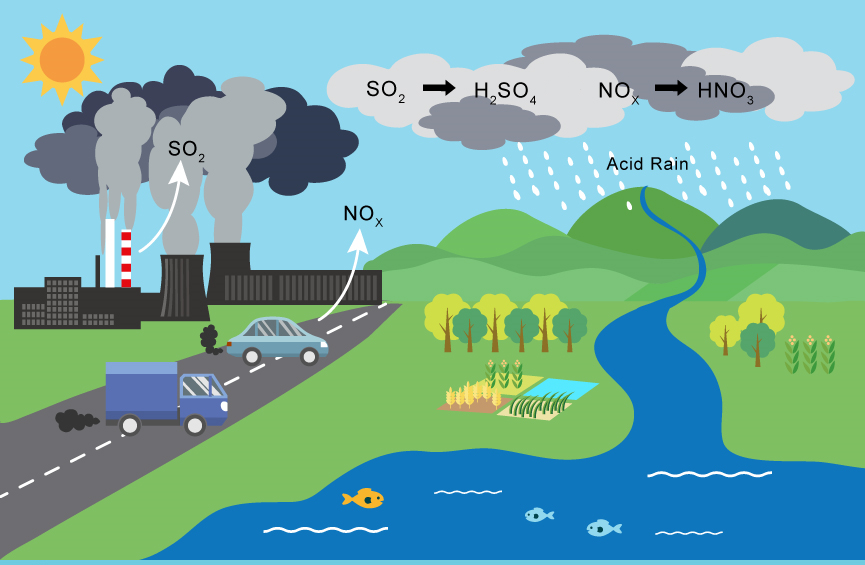
Fossil fuels are running out, and burning them causes environmental issues, such as:
- Acid rain (from the release of sulphur dioxide and nitrogen oxides).
- Climate change (due to the release of carbon dioxide, a greenhouse gas).
Energy Savings:
Recycling materials, especially metals, saves energy because it often uses only a small fraction of the energy needed to extract and refine materials from scratch.
Protecting the Environment
Mining for metals can cause significant environmental damage:
- Habitat destruction: Mining activities can destroy ecosystems and habitats.
- Landscaping impact: Mines can make landscapes look unsightly.
Benefits of Recycling Metals:
- Reduces the need for mining, which helps preserve natural habitats and the appearance of landscapes.
- Decreases waste: Recycling cuts down on the amount of rubbish sent to landfills, which takes up valuable space and can pollute the environment through the release of harmful substances.
Economic Benefits
- Saves money: Recycling requires much less energy than extracting and refining metals, reducing costs.
- It's particularly beneficial when metals are expensive to extract or purchase.
- Creates jobs: The recycling process involves:
- Collecting and transporting materials.
- Processing them at recycling centres.
- Reprocessing them into new materials, which supports employment in the recycling industry.