Composition of the army (Edexcel GCSE History): Revision Notes
📚Revision Notes
Composition of the army (c1250-1500)
Introduction to mediaeval armies
During the period from 1250 to 1500, England found itself constantly engaged in warfare. Whether fighting civil wars or conflicts with France, Scotland, or Wales, military forces became an essential element of mediaeval English society. Understanding how these armies were structured and organised helps us see how mediaeval society functioned as a whole.
Note
The mediaeval period saw almost continuous military conflicts, making warfare a defining characteristic of English society during these centuries.
The basic structure of mediaeval armies
Mediaeval armies consisted of two primary fighting forces: infantry soldiers and mounted knights. This division reflected both practical battlefield needs and the social divisions that defined mediaeval society.
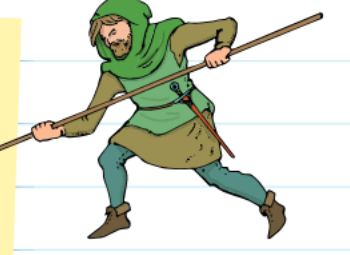
Infantry forces formed the backbone of mediaeval armies. These foot soldiers came primarily from the peasant class, placing them at the lowest level of the social hierarchy. Their treatment reflected their status - they received poor provisions and basic equipment compared to their higher-ranking counterparts. For protection, infantry might wear simple skull caps and leather jackets, as metal armour remained expensive and typically reserved for the wealthy.
Mounted knights represented the elite fighting force of mediaeval armies. These warriors came from the gentry and nobility, giving them superior social standing compared to other soldiers. Their elevated status meant they received better equipment, including proper swords, lances, protective helmets, and chainmail armour. The horse itself became both a weapon and a symbol of their privileged position in society.
Important
The typical mediaeval army contained between 5,000 and 10,000 soldiers. Infantry consistently outnumbered mounted knights by approximately two to one, showing that despite their prestige, knights formed a relatively small portion of total military forces.
Battlefield roles and tactics
Each type of soldier served specific tactical purposes during mediaeval battles, with their roles carefully designed to complement each other.
Mounted knights functioned as the most devastating force on mediaeval battlefields. Their primary weapons were speed, surprise, and psychological impact. Knights employed two main battlefield tactics:
Example
Example: Knight Combat Tactics
The Mounted Charge: Knights would thunder through enemy lines at full speed, aiming to reach and eliminate the enemy commander. This tactic could break enemy morale and create chaos in opposing ranks.
The Rout and Chase: After initial contact, knights would scatter fleeing enemy infantry and pursue them to prevent regrouping, maximising the destruction caused by their initial charge.
Infantry soldiers served as the army's foundation, responsible for holding defensive positions and engaging in sustained combat. Their battlefield roles included:
Creating shield walls using overlapping shields combined with spears or pikes to repel enemy attacks. This defensive formation could stop even charging cavalry if properly executed.
Engaging in mêlée combat, which involved close-quarters hand-to-hand fighting using swords, pikes, and daggers. Infantry needed to hold their ground and gradually wear down enemy forces through sustained combat.
Archers represented a specialised type of infantry who used bows or crossbows. While they played a supporting role compared to knights, archers proved valuable for weakening enemy forces at the beginning of battles, particularly when working alongside mounted knights to break down enemy defences.
Social structure and military command
The feudal system fundamentally shaped how mediaeval armies operated and who controlled them. Military command reflected social hierarchy rather than combat experience or tactical skill.
Important
Critical Concept: The command structure followed feudal lines: monarchs held ultimate authority, followed by lords who served as commanders, then nobles and gentry who became knights, and finally peasants who formed the infantry. This system meant that a person's social position determined their military role more than their actual fighting ability or strategic knowledge.
Land ownership formed the foundation of this military system. Lords received land grants from monarchs in exchange for providing troops when needed. This arrangement created a network of military obligations that extended throughout mediaeval society.
The feudal system's impact on warfare
The feudal system organised mediaeval society into distinct groups based on social roles and responsibilities. Military service formed a central part of these obligations, with land grants typically given in return for military service to one's lord.
Note
Soldiers were expected to provide their own equipment and provisions, which explains why wealthy knights had better gear than poor infantry. This self-supply system reinforced social divisions within armies and affected their overall effectiveness.
As the mediaeval period progressed, the traditional feudal system began weakening. Kings found it increasingly difficult to persuade nobles to provide troops through feudal obligations. This challenge led to the rise of mercenaries - professional soldiers who fought in exchange for payment rather than feudal duty. This change marked a significant shift towards more modern military organisation.
Importantly, the feudal emphasis on social status over military competence meant that leadership quality varied greatly. Some nobles proved excellent military commanders, while others lacked the skills necessary for effective battlefield leadership.
Timeline of key developments
- c1250-1300: Height of feudal military system with clear social divisions
- c1300-1400: Growing use of professional soldiers alongside feudal levies
- c1400-1500: Increasing reliance on paid mercenaries as feudal system declined
Remember!
Summary
Key Points to Remember:
- Mediaeval armies contained 5,000-10,000 soldiers with infantry outnumbering mounted knights two to one
- Social class determined military role more than fighting ability - knights came from nobility while infantry were peasants
- Knights specialised in mounted charges and pursuit tactics, while infantry held defensive positions and engaged in close combat
- The feudal system required land holders to provide military service in exchange for their lands
- As feudalism weakened, kings increasingly relied on paid mercenaries rather than feudal obligations