Impact on civilians (Edexcel GCSE History): Revision Notes
📚Revision Notes
Impact on civilians (c1250-c1500)
Introduction
During the mediaeval period from 1250 to 1500, warfare had significant effects on civilian populations in England. While the impact was largely negative, it wasn't entirely harmful to everyone. The Crown's need for money and soldiers to fund military campaigns created various burdens and obligations that ordinary people had to bear.
Feudal obligations and their effects
Rising taxation demands
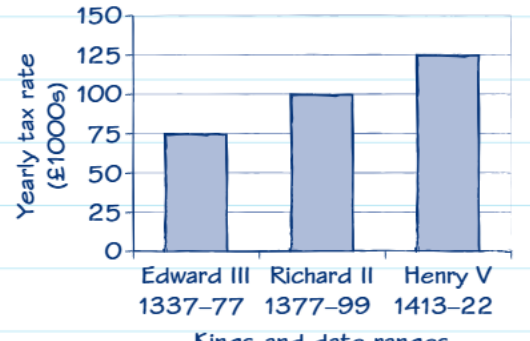
Mediaeval kings required substantial funds to finance their military campaigns, leading to increasing tax demands on civilians. The financial burden grew considerably over time as warfare became more expensive and frequent.
Note
The tax burden, while growing, remained relatively manageable for most people. Despite the increases shown in the data, these taxes typically represented only about one percent of most civilians' yearly income. However, this still created additional financial pressure on families already struggling with basic needs.
Military recruitment and service
Civilians faced compulsory military service as part of their feudal duties to the king. This system created several challenges for ordinary people:
When called to serve, men were forced to leave their families and communities behind. Desertion and refusal to serve became increasingly common problems as people tried to avoid the dangers and disruptions of military life.
Many civilians began choosing to pay scutage instead of serving personally. This payment allowed them to avoid military service, but it created another financial burden on top of regular taxes.
Important
Those who did serve faced significant personal costs. Recruits were expected to provide their own equipment and supplies for the first 40 days of service, creating immediate financial hardship for families.
The purveyance system
Kings needed to supply their armies with food, equipment, and other necessities. This led to a system called purveyance, which created particular difficulties for civilian suppliers.

Under this arrangement, the Crown would take goods and supplies from local communities but would only provide IOUs (written promises to pay) rather than immediate payment. This left suppliers significantly out of pocket, sometimes waiting months or years to receive compensation.
Important
Many suppliers never received full payment, creating long-term financial hardship for individuals and communities. The purveyance system became one of the most resented aspects of royal military demands.
Positive effects of warfare
Despite the many challenges, warfare did bring some benefits to certain groups of civilians. Military campaigns created increased demand for various goods and services, which boosted some sectors of the economy.
Civilians working in industries related to warfare often found better-paying employment. The army typically paid higher wages than agricultural work, making military service attractive to some despite its dangers. Additionally, the demand for weapons, fortifications, and military supplies created jobs and business opportunities for craftsmen, merchants, and suppliers.
Impact on enemy civilian populations
Mediaeval warfare had devastating effects on civilian populations in enemy territories. Military tactics deliberately targeted non-combatants as a way to weaken opposing forces and force surrenders.
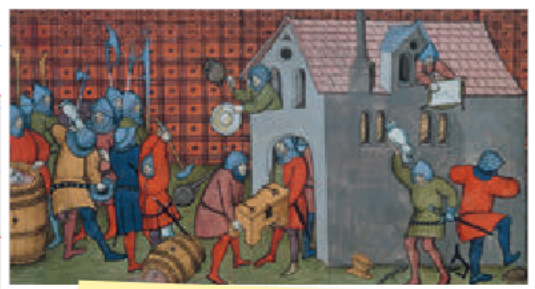
Siege warfare became increasingly common, with armies surrounding towns and cities to cut off food and water supplies. This strategy forced civilians to endure severe hardship, often leading to starvation and disease. Communities under siege faced the terrible choice between surrender and continued suffering.
Plunder became a standard military practice, with soldiers taking supplies, valuables, and food from enemy communities. This not only provided for the army but also deliberately weakened enemy populations by depriving them of essential resources.
Important
Ransom demands created another burden for enemy civilians. Money could be demanded from communities for protection from raids, or from individuals to secure the release of captured family members. These payments often crippled local economies and caused long-lasting poverty.
Timeline of key developments
- 1337-1377: Under Edward III, annual taxation averaged around as the Hundred Years' War began
- 1377-1399: During Richard II's reign, tax demands increased to approximately yearly
- 1413-1422: Henry V's military campaigns pushed annual taxation to roughly
- Throughout period: Scutage payments became increasingly common as civilians sought to avoid military service
- Ongoing: Purveyance system created continuous financial difficulties for suppliers across England
Summary
Key Points to Remember:
- Taxation doubled - Tax demands nearly doubled from Edward III to Henry V, though they still represented only about 1% of most people's income
- Choice over service - Civilians increasingly chose to pay scutage rather than serve personally, creating additional financial burdens
- Delayed payment problems - The purveyance system left suppliers waiting for payment through IOUs, causing significant financial hardship
- Economic opportunities - Some civilians benefited from increased demand for military supplies and higher army wages
- Enemy civilian suffering - Siege warfare, plunder, and ransom demands caused severe hardship for populations in enemy territories