How Joints Differ in Design (Edexcel GCSE Physical Education): Revision Notes
📚Revision Notes
How Joints Differ In Design
Types of Joints
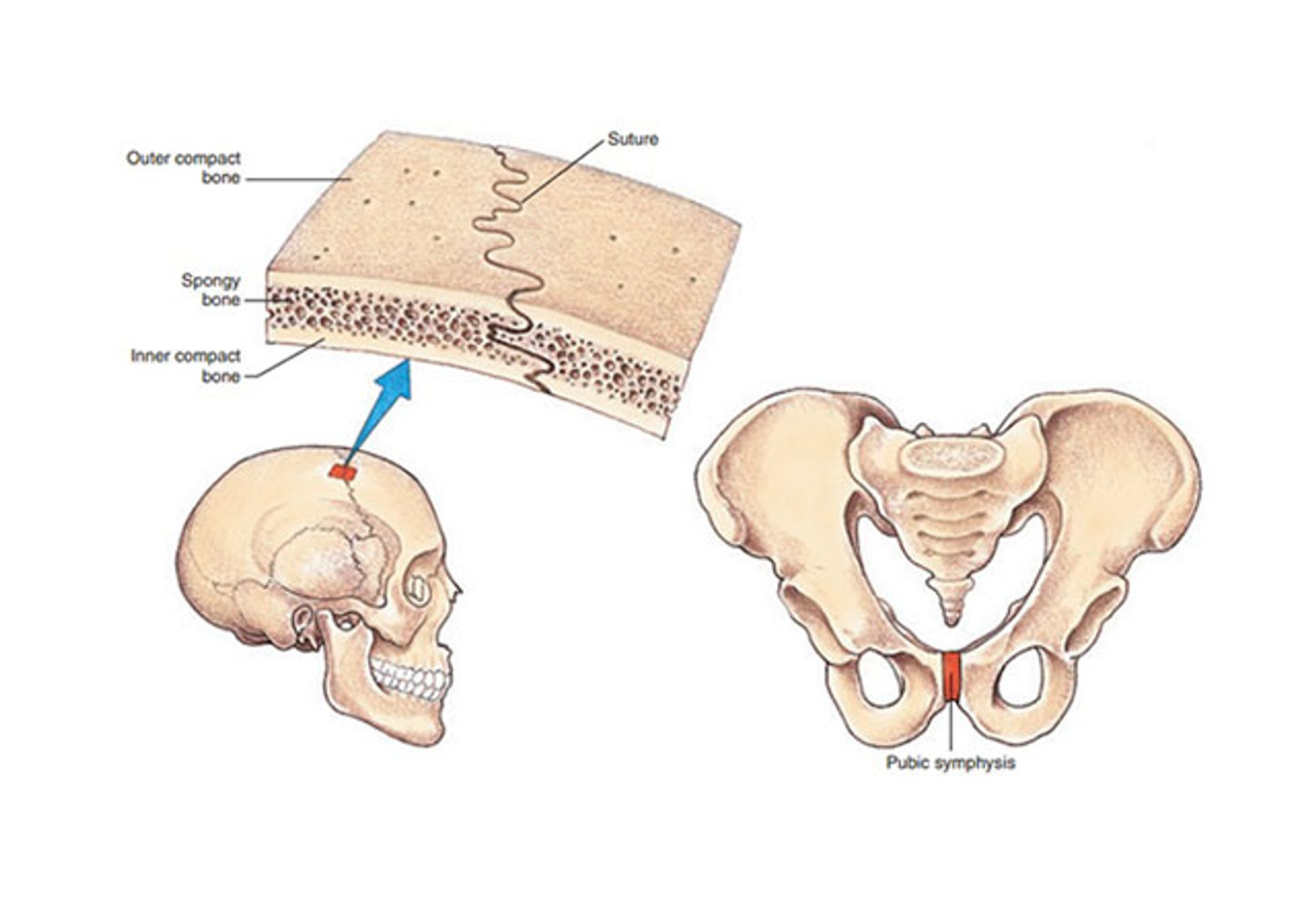
1. Fibrous Joints:
- Structure: Bones are connected by dense fibrous connective tissue.
- Movement: These joints are generally immovable (synarthrosis).
- Examples: Sutures in the skull.
2. Cartilaginous Joints:
- Structure: Bones are connected by cartilage.
- Movement: These joints allow limited movement (amphiarthrosis).
- Examples: Intervertebral discs in the spine, pubic symphysis.
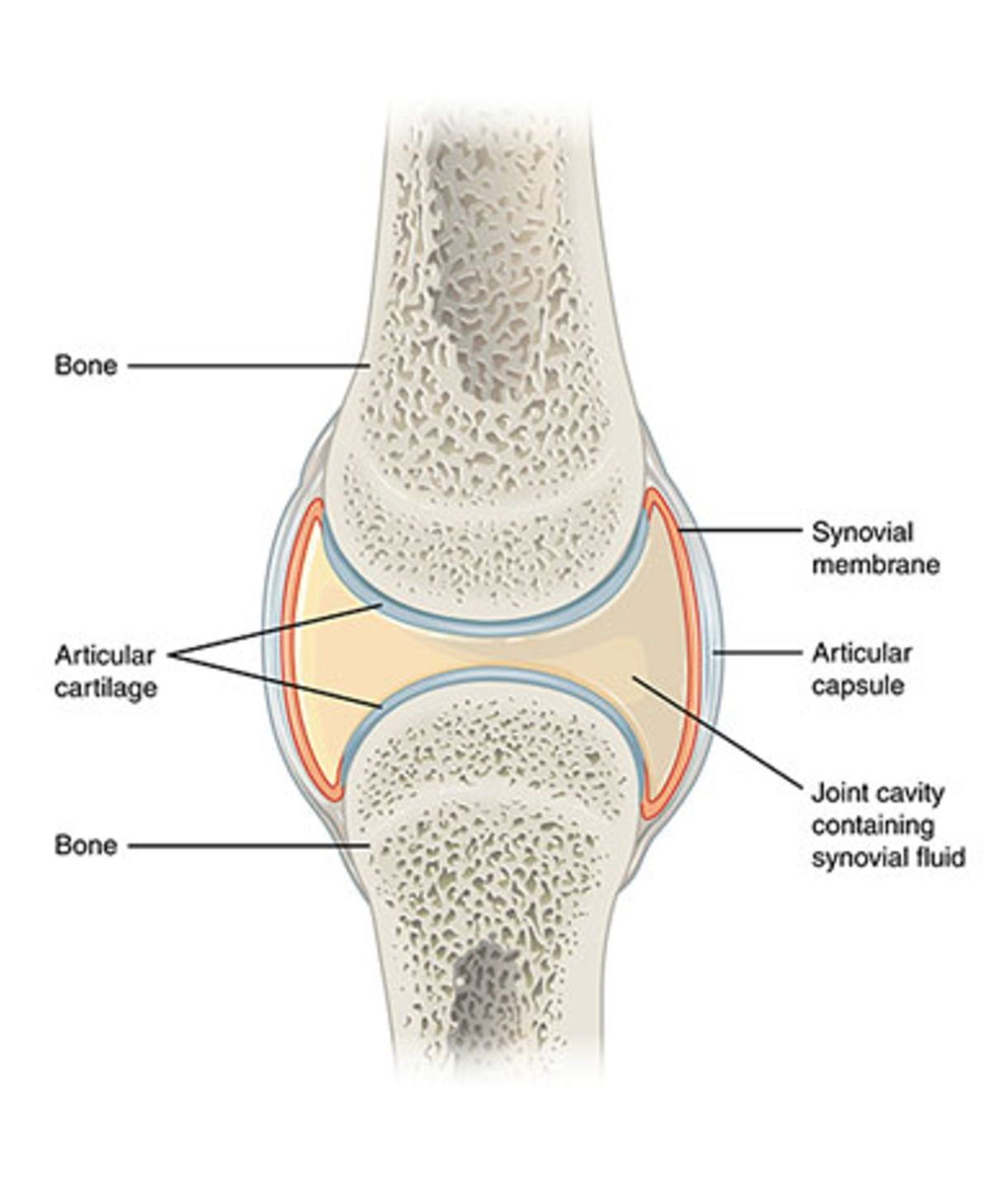
3. Synovial Joints:
- Structure: Characterised by a joint cavity filled with synovial fluid, enclosed by a joint capsule.
- Movement: These joints allow free movement (diarthrosis).
- Examples: Knee, shoulder, hip.
Types of Synovial Joints
1. Hinge Joints:
- Design: Cylindrical end of one bone fits into a trough-shaped surface of another bone.
- Movement: Allows movement in one plane (uniaxial) – flexion and extension.
- Examples: Elbow, knee, ancle.
2. Ball and Socket Joints:
- Design: Spherical head of one bone fits into a round socket of another bone.
- Movement: Allows movement in multiple planes (multiaxial) – flexion, extension, abduction, adduction, rotation, and circumduction.
- Examples: Shoulder, hip.
3. Pivot Joints:
- Design: Rounded end of one bone fits into a ring formed by another bone and a ligament.
- Movement: Allows rotational movement around a single axis (uniaxial).
- Examples: Neck (atlantoaxial joint), forearm (proximal radioulnar joint).
4. Saddle Joints:
- Design: Both bones have a concave and convex surface, resembling a saddle.
- Movement: Allows movement in two planes (biaxial) – flexion, extension, abduction, adduction, and circumduction.
- Examples: Thumb (carpometacarpal joint).
5. Plane (Gliding) Joints:
- Design: Flat or slightly curved surfaces of bones slide over each other.
- Movement: Allows limited gliding movements in multiple directions (nonaxial).
- Examples: Intercarpal joints in the wrist, intertarsal joints in the foot.
6. Condyloid (Ellipsoidal) Joints:
- Design: Oval-shaped condyle of one bone fits into an elliptical cavity of another bone.
- Movement: Allows movement in two planes (biaxial) – flexion, extension, abduction, adduction, and circumduction.
- Examples: Wrist (radiocarpal joint), knuckles (metacarpophalangeal joints).
Functional Differences
-
Range of Motion: Different joints allow different ranges of motion. For example, ball and socket joints like the shoulder and hip offer a wide range of motion, while hinge joints like the knee and elbow allow movement primarily in one plane.
-
Stability vs. Mobility: Joints vary in their balance between stability and mobility. Synovial joints, such as the shoulder, prioritise mobility but are less stable, while fibrous joints, like skull sutures, prioritise stability with no movement.
-
Specialisation: Joints are specialised for specific functions. The knee's hinge design provides strong support for weight-bearing activities, while the shoulder's ball and socket design allows for extensive arm movement.