Fats (Lipids) (Junior Cert Home Economics): Revision Notes
📚Revision Notes
Fats (Lipids)
Composition of Fats
- Fats, also known as lipids, can be solid (fats) or liquid (oils).
- Fats are made of:
- Carbon (C)
- Hydrogen (H)
- Oxygen (O)
- Energy Content:
- Fats contain twice as much energy as protein or carbohydrates, providing 9 kcal per gram.
- Structure:
-
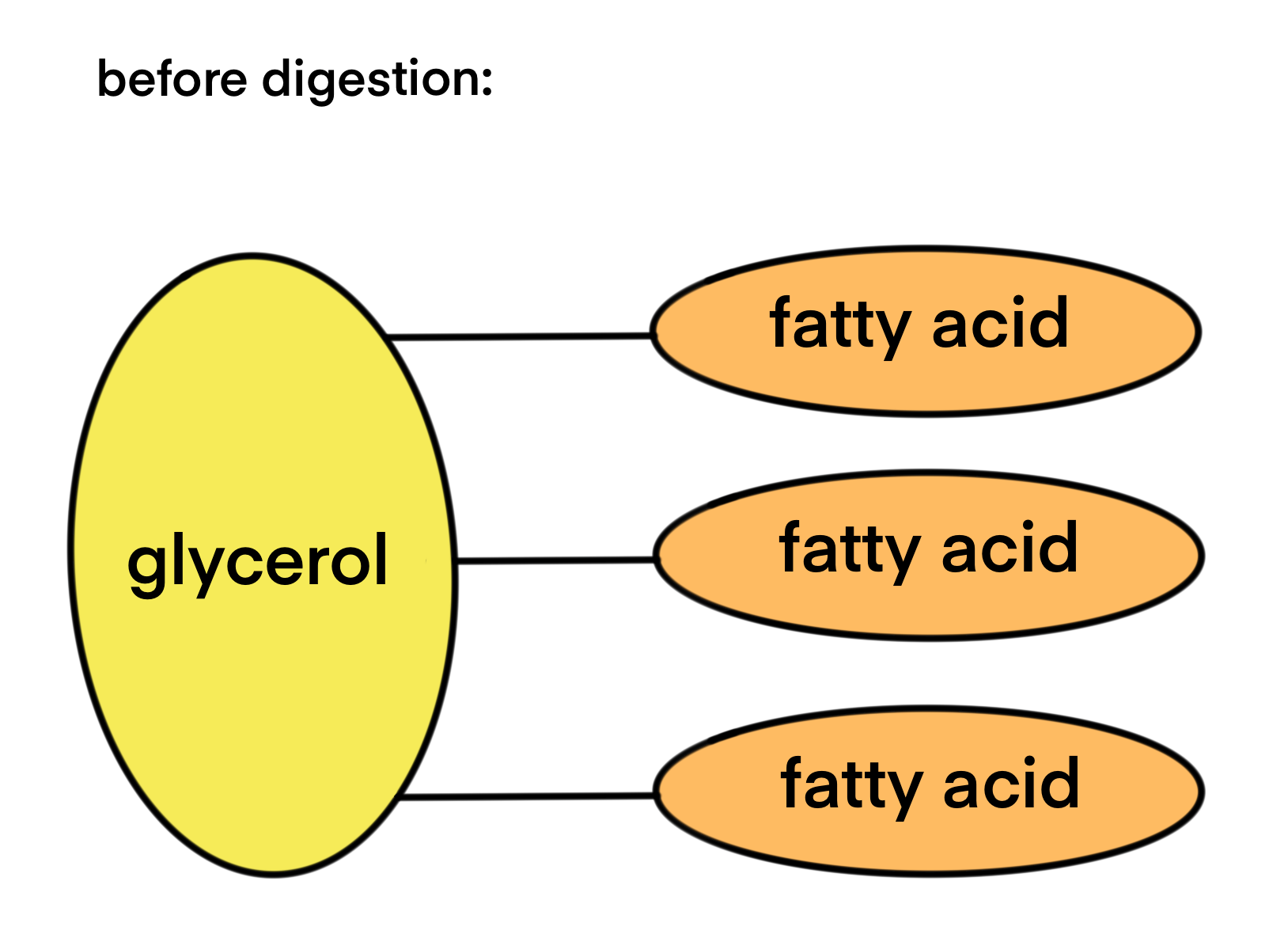
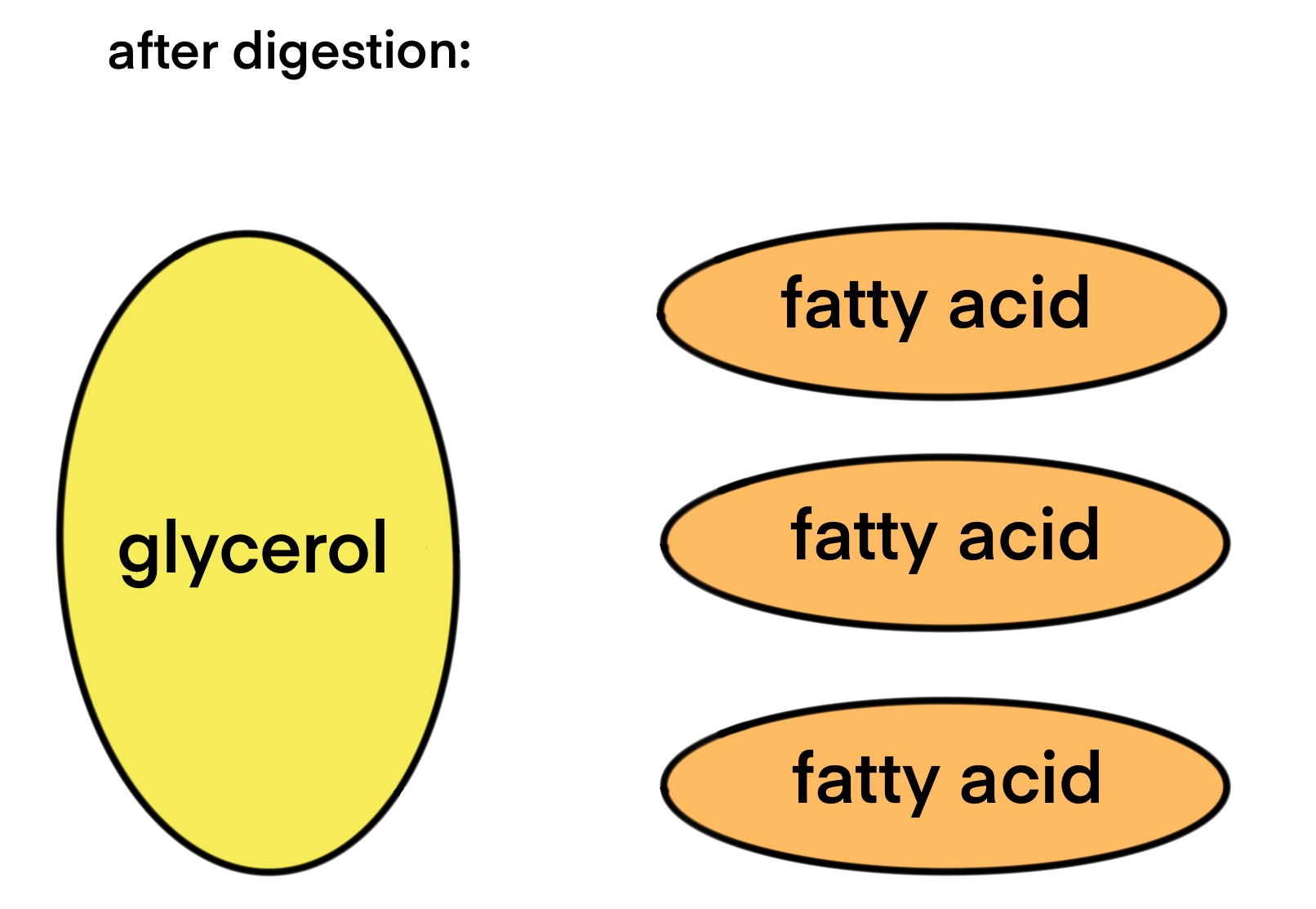
Each fat unit consists of three fatty acids and one glycerol molecule.
-
During digestion, these are separated for the body to use.
-
Classification of Fats
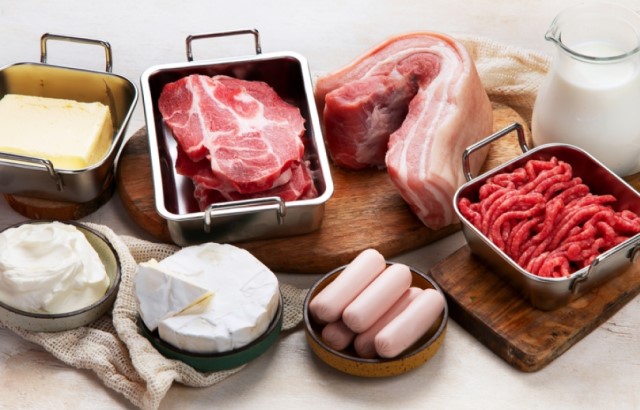
- Saturated Fats:
- Contain cholesterol, a type of fat found in the blood.
- Typically found in animal-based foods.
- Examples: Butter, cream, cheese, fatty meats, hard margarines.
- Unsaturated Fats:
-
Do not contain cholesterol.
-
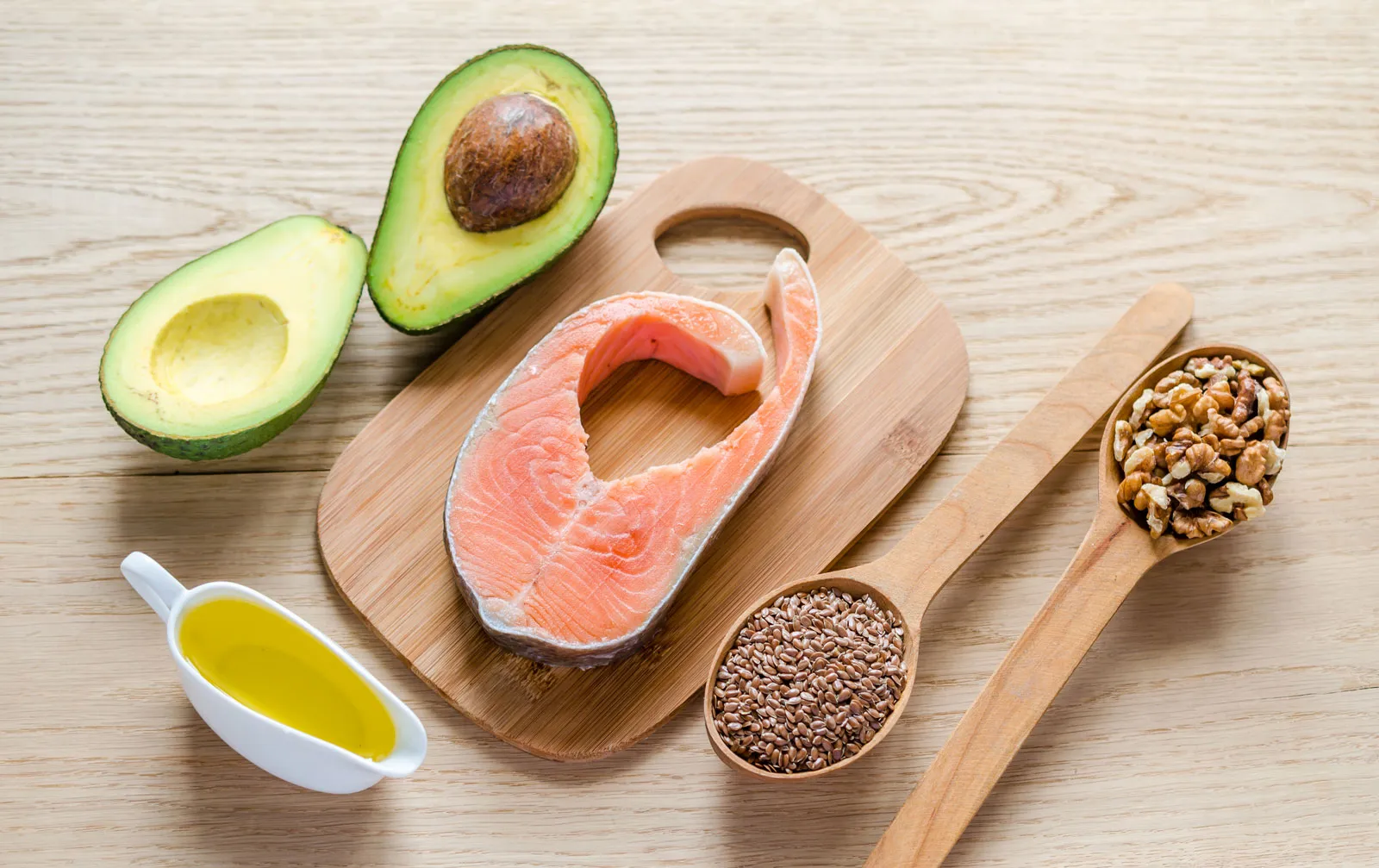
Found in plant-based foods and oily fish.
-
Examples: Avocados, nuts, seeds, vegetable oils, oily fish.
-
Omega-3 Fats:
- A type of unsaturated fat found in oily fish, nuts, and seeds.
- Important for brain development and reducing blood cholesterol.
Sources of Fats
| Saturated Fats | Unsaturated Fats |
|---|---|
| Butter, cream, cheese | Avocados, nuts, vegetable oils |
| Fatty meats, eggs | Seeds, oily fish |
| Hard margarines | Soft margarines, e.g., Flora |
Reference Intake for Fats
- Adults should consume no more than 70 g of fat per day.
- Saturated fats should be limited to 20 g per day.
- Fats should make up no more than 30% of your daily energy intake.
Functions of Fats
- Produce heat and energy.
- Help maintain body temperature through adipose tissue (fat under the skin).
- Protect vital organs like the liver and kidneys with a layer of fat.
- Provide fat-soluble vitamins (A, D, E, and K).
Overconsumption of Fats
- Obesity:
- Fats are calorie-dense, and excess consumption can lead to weight gain.
- Coronary Heart Disease:
- Saturated fats can increase cholesterol levels, leading to blockages in arteries and a higher risk of heart attacks.
Reducing Fat in the Diet
- Limit high-fat foods like takeaways and processed snacks.
- Use low-fat cooking methods:
- Grilling, steaming, or baking instead of frying.
- Modify recipes to reduce fat:
- Use olive oil instead of butter for frying.
- Choose low-fat products:
- Low-fat cheese, yoghurt, and fresh, unprocessed meats.
- Check food labels for fat content, particularly saturated fats.
Key Takeaway
Fats are essential for energy, body protection, and absorbing vitamins, but overconsumption can lead to health issues. Balance your intake with healthier unsaturated fats and limit saturated fats to maintain good health.