Minerals: Calcium (Junior Cert Home Economics): Revision Notes
📚Revision Notes
Minerals: Calcium
Classification of Minerals
- Macrominerals:
- Needed in large amounts, e.g., calcium, sodium, phosphorus, potassium.
- Trace Minerals:
- Needed in small amounts, e.g., iron, fluoride, iodine, zinc. Both types are vital for maintaining healthy body functions.
Calcium
Sources of Calcium
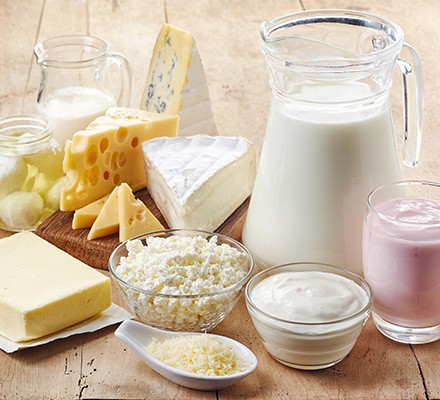
- Milk, cheese, yoghourt.
- Tinned fish (e.g., salmon with bones).
- Green vegetables (e.g., spinach).
- Fortified products (e.g., cereals, bread, flour).
Functions of Calcium
- Builds strong bones and teeth in children and teenagers.
- Maintains bone density in adults and older people.
Calcium Deficiency Diseases
- Rickets:
- Occurs in children when bones don't harden properly, leading to deformities like bowed legs.
- Osteoporosis:
- Affects older adults, especially women, causing bones to become fragile and prone to fractures.
Reference Intake for Calcium
- Children and Adults: 800 mg per day.
- Teenagers and Pregnant/Breastfeeding Women: 1,200 mg per day. Note: Vitamin D is essential for calcium absorption.