Bioprocessing with Immobilised Cells (Leaving Cert Biology): Revision Notes
📚Revision Notes
Bioprocessing with Immobilised Cells
Bioprocessing with Immobilised Cells
Bioprocessing with immobilised cells involves using cells that have been immobilised to carry out enzyme-controlled reactions for producing useful products.
Note
What is an immobilised enzyme? An enzyme that is attached to an inert material.
How Cells Are Immobilised:
- Cells are immobilised in a process similar to how enzymes are immobilised.
- Steps for Immobilising Cells:
- Cells (e.g., yeast) are mixed with sodium alginate.
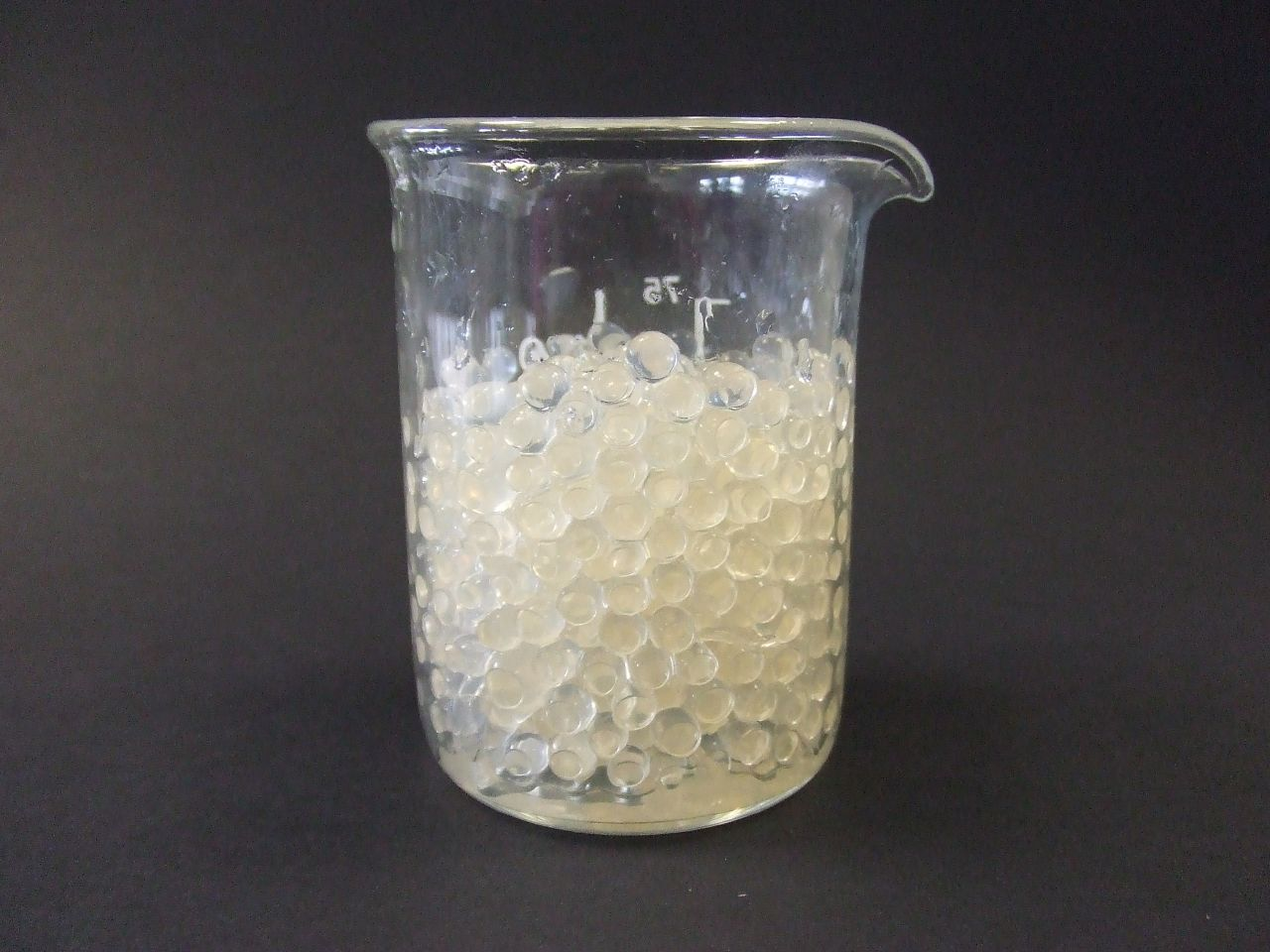
- The yeast/alginate mixture is soaked in calcium chloride, which causes the alginate to form beads around the yeast cells.
- These beads immobilise the yeast cells while allowing substrates and products to pass through the pores.
- Pores in the Beads:
- The pores are too small for the yeast cells to pass out.
- However, the pores are large enough for substrates to enter and products to leave.
Uses of Immobilised Cells in Bioprocessing:
- Immobilised cells are widely used to produce many of the modern bioprocessed products mentioned in earlier notes, such as:
- Solvents
- Amino acids
- Vitamins
- Drugs
- Food additives
- Enzymes
- Fuels like biogas
- Flavourings
- Immobilised E. coli is used in water treatment to detoxify sewage in wastewater.
Advantages of Immobilised Cells:
- Stability:
- The immobilisation process does not harm the cells, and the cells remain very stable.
- Easy Separation:
- Immobilised cells can be easily separated from the products at the end of the procedure.
- This eliminates the need for difficult and expensive filtration methods to separate products from cells.
- Reusability:
- Immobilised cells can be reused many times, making the process more cost-effective.
Note
Why Use Immobilised Cells Instead of Immobilised Enzymes?
Immobilised cells are often used because immobilised enzymes are more difficult and expensive to prepare.