Normalising (Leaving Cert Engineering): Revision Notes
📚Revision Notes
Normalising
What is normalising?
Normalising is a heat treatment process used to create materials with balanced properties. The goal is to produce a tough material that is neither too soft nor too hard - essentially a "normal" material that provides good strength and workability.
This heat treatment is particularly important for steel components that need to be strong enough for structural use but not so hard that they become brittle or difficult to machine further.
Note
The term "normalising" refers to creating materials with "normal" or balanced properties - achieving the optimal middle ground between hardness and workability for most engineering applications.
The normalising process
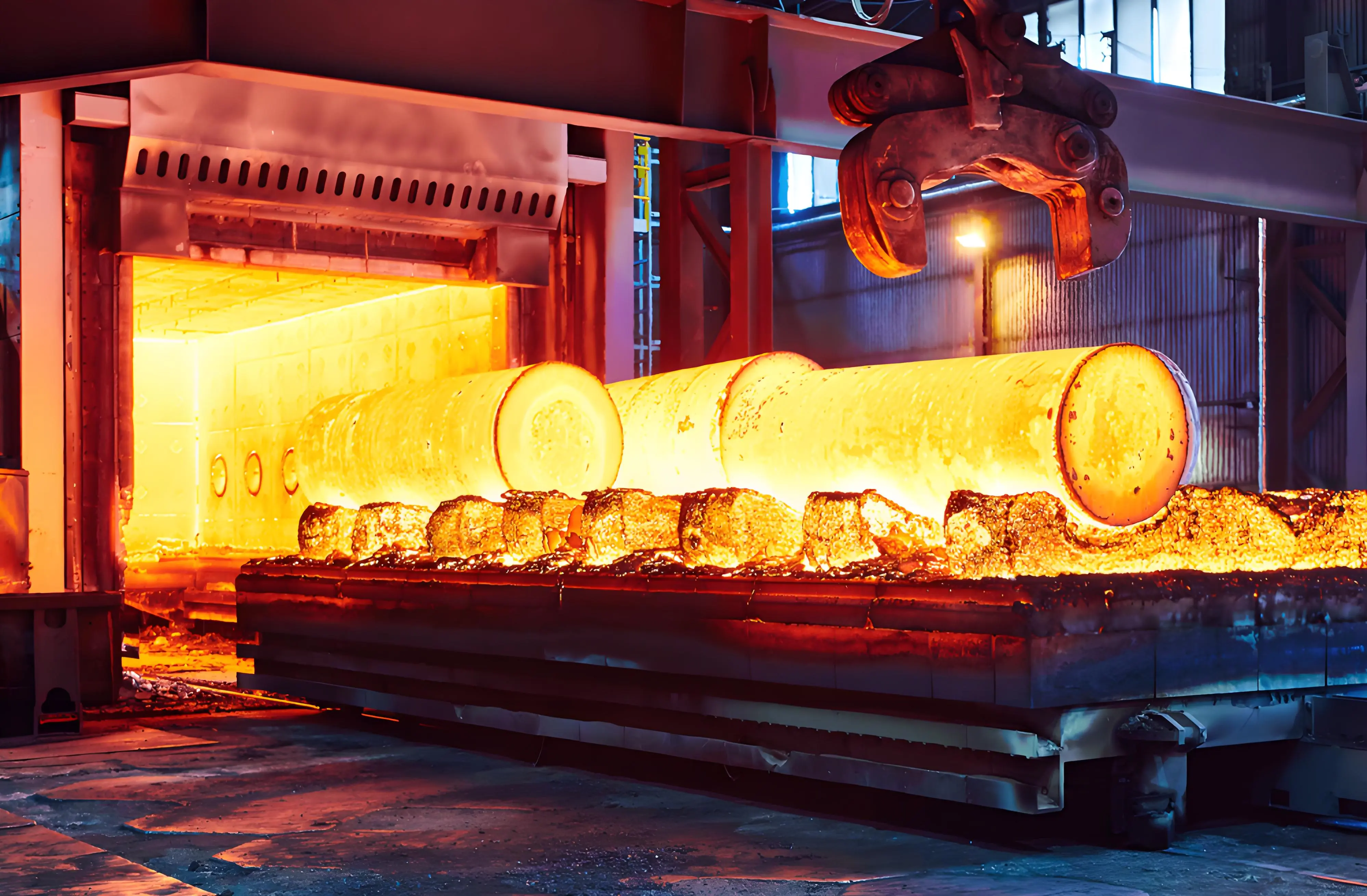
The normalising process is a carefully controlled sequence that transforms the steel's internal structure. Understanding each stage is crucial for achieving the desired material properties.
Example
Step-by-Step Normalising Process:
Step 1: Heating - The steel component is heated to approximately 2/3 of its melting temperature
Step 2: Soaking - The material is held at this temperature to allow the heat to spread evenly throughout the component
Step 3: Cooling - The component is removed from the oven and allowed to cool in air at a moderately fast rate
The heating stage allows the steel's internal structure to become more uniform, while the controlled cooling rate is crucial for achieving the desired properties.
How normalising works
During the heating and cooling process, recrystallisation occurs within the steel. This means that new, smaller grains form to replace the original grain structure. Because the cooling rate in normalising is faster than in annealing, these new grains don't have as much time to grow large.
The result is a small grain structure that gives the material its characteristic toughness and balanced properties.
Note
The Key Relationship: Faster cooling = Less time for grain growth = Smaller grains = Tougher material
This fundamental relationship explains why normalising produces different properties than other heat treatment processes.
Normalising vs annealing
Normalising shares similarities with annealing but differs in one crucial way that significantly affects the final material properties.
Note
Process Comparison:
Similarities:
- Heating stage: Both processes heat the material to about 2/3 of its melting point
- Soaking stage: Both allow the material to soak at temperature
Key Difference:
- Cooling difference: Normalising uses a faster cooling rate than annealing
This faster cooling prevents the grains from growing as large as they would in annealing, resulting in a tougher material rather than the softer material produced by annealing.
Important
The cooling rate is the critical factor that determines whether you get a tough, normalised material or a soft, annealed material. This single difference in processing creates completely different material properties.
Applications and benefits
Normalised steel is ideal for applications requiring a careful balance of mechanical properties. The fine grain structure achieved through normalising provides an excellent combination of strength and toughness for many engineering applications.
Key applications include:
- Good strength without excessive hardness
- Balanced mechanical properties
- Materials that may need further machining or processing
- Components that need to withstand moderate stress without becoming brittle
Remember!
Summary
Key Points to Remember:
- Normalising creates tough materials with balanced properties - not too soft, not too hard
- The process involves heating to 2/3 melting temperature, soaking, then air cooling
- Faster cooling than annealing produces smaller grains and tougher material
- Recrystallisation during the process creates the new grain structure
- Normalised steel offers excellent strength-to-toughness balance for engineering applications