Introduction to Plastics (Leaving Cert Engineering): Revision Notes
📚Revision Notes
Introduction to Plastics
Plastics are one of the most important materials in modern engineering and everyday life. Understanding their properties, classification, and applications is essential for materials science.
Note
Plastics have revolutionised modern life since their invention over 150 years ago. From the device you're using to read this to the packaging that protects our food, plastics are everywhere around us.
What is plastic?
Important
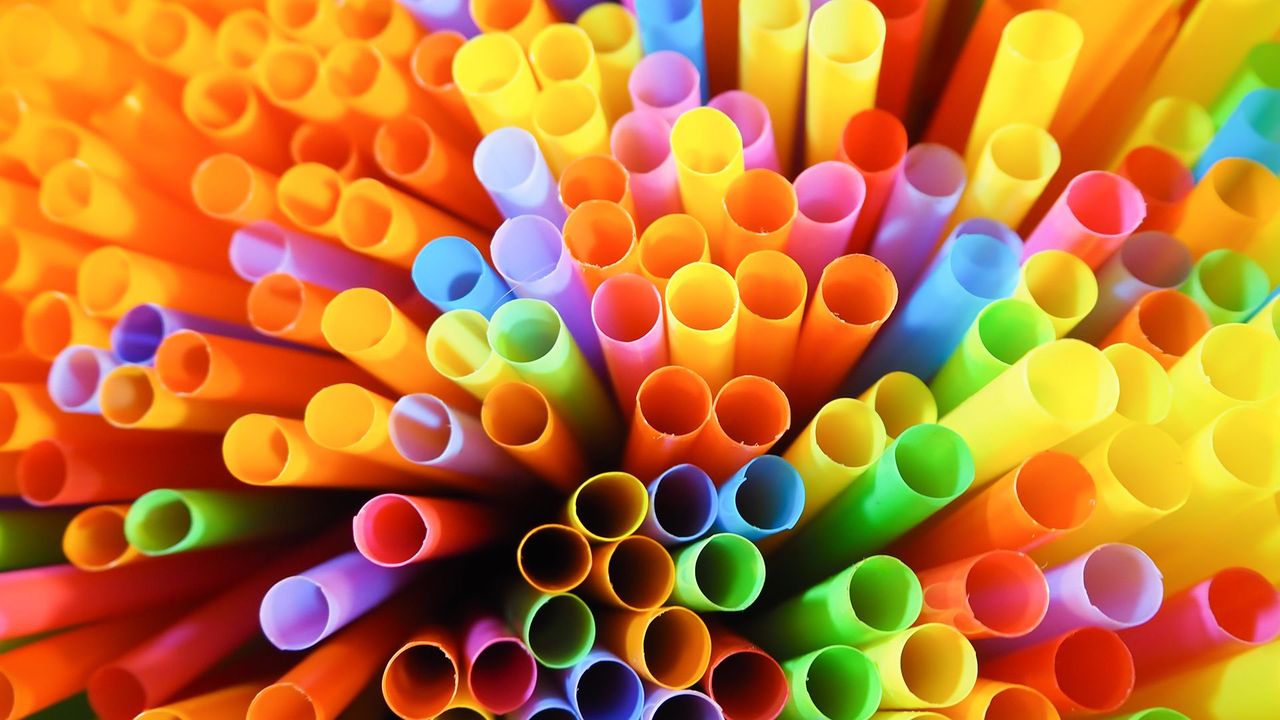
Plastic is a type of synthetic or artificial polymer that behaves similarly to natural resins found in trees and plants. To understand plastics, we need to understand the building blocks that make them.
Polymers are large, complex molecules made up of many smaller units called monomers. The process that creates these large molecules is called polymerization, where small molecules combine to form very long chainlike structures.
The key properties of plastics include:
- They can be moulded into various shapes
- They can be extruded to form films or fibres
- They can be cast into specific forms
- They are versatile and lightweight

This versatility makes plastics suitable for thousands of different products that people use every day, from packaging to automotive parts.
The history of manufactured plastics
The development of manufactured plastics spans over 150 years, with several key milestones:
Early developments (1862-1900s)
Example
Historical Milestone: The First Manufactured Plastic
In 1862, Alexander Parkes, a chemist and inventor, created the first manufactured plastic at the International Exhibition in London. This material, called Parkesine, demonstrated that synthetic materials could:
- Be heated and moulded into shapes
- Form transparent materials
- Be shaped into thousands of different forms
- Serve as an affordable substitute for expensive materials like ivory
The celluloid era (1860s-1900s)
John Wesley Hyatt improved on Parkes' work by creating celluloid plastic from cellulose and alcoholised camphor. Celluloid became important for:
- Billiard balls (replacing ivory)
- Early photographic film
- Movie industry applications
Important
However, celluloid had a major safety problem - it was highly flammable, which limited its applications and led to the search for safer alternatives.
Bakelite and synthetic plastics (1907)
In 1907, chemist Leo Hendrik Baekeland discovered Bakelite while trying to create a synthetic varnish. Bakelite was revolutionary because:
- It would not melt once formed
- It had excellent electrical insulation properties
- It could be used for cameras, telephones, and electrical components
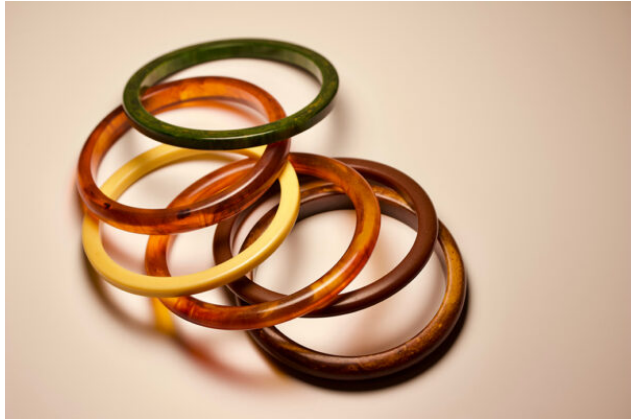
- It served as a substitute for jade, marble, and amber
Note
By 1909, Baekeland had coined the term "plastics" to describe this new category of materials, establishing the foundation for the modern plastics industry.
Modern plastic development (1914 onwards)
The first patent for polyvinyl chloride (PVC) was registered in 1914. Cellophane was also discovered during this period.
World War I and II significantly accelerated plastic development as they were used to replace scarce materials like:
- Wood in furniture
- Paper and glass in packaging
- Steel in cars
After World War II, new plastic types emerged, including polyurethane, polyester, silicones, and polypropylene, making plastics widely accessible and commonplace.
Plastic classification
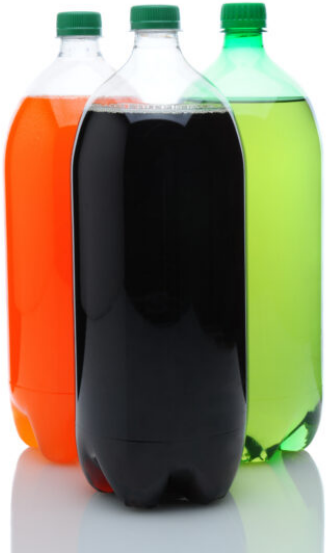
There are several ways to classify different types of plastics, depending on their intended use and properties.
Classification by chemical structure
Note
Plastics are typically grouped by their chemical structure and physical properties. This classification helps engineers select the right material for specific applications.
This includes:
- Acrylics - transparent, glass-like plastics
- Polyurethanes - flexible, foam-like materials
- Silicones - heat-resistant, flexible plastics
- Polyesters - strong, durable materials
- Halogenated plastics - chemically resistant materials
Classification by recycling codes
Note
For recycling purposes, plastics are sorted into seven resin identification codes. These numbers help waste management facilities properly sort and process different plastic types.
- #1: PETE/PET - bottles and containers
- #2: HDPE - milk jugs, detergent bottles
- #3: PVC - pipes, packaging
- #4: LDPE - plastic bags, films
- #5: PP - bottle caps, food containers
- #6: PS - disposable cups, packaging
- #7: O (Other) - mixed or specialty plastics
Classification by properties
Plastics can also be grouped by:
- Density - how heavy they are
- Heat resistance - maximum operating temperature
- Hardness - resistance to deformation
- Chemical resistance - how they react with other substances
Classification by manufacturing process
Some plastics are grouped by the chemical processes used to make them, including the specific manufacturing methods and intended applications.
Thermoplastics vs thermoset plastics
Understanding the two main structural types of plastics is crucial for materials selection.
Molecular structure basics
Chemists combine atoms to make molecules - groups of two or more atoms held together by chemical bonds. In plastic manufacturing, these molecules are called monomers.
When monomers are combined through chemical bonds into chains or networks, the process is called polymerization, and the resulting materials are polymers or plastics.
Thermoplastics
Example
Understanding Thermoplastic Structure
Thermoplastics form when monomers join together like a chain - imagine a string of pearls. This linear structure gives thermoplastics their key characteristic: they melt when heated and solidify when cooled.
Think of it like chocolate: you can melt it, reshape it, cool it to solidify, and repeat the process multiple times without damaging the material.
Key properties of thermoplastics:
- Can be reheated and reshaped multiple times
- Recyclable through melting and reforming
- Examples include polypropylene, PVC, and materials used for soft drink bottles
Common applications:
- Butter tubs and food containers
- Microwaveable containers
- PVC pipes and floor coverings
- Soft drink bottles
Thermoset plastics
Important
Thermoset plastics form when monomers connect in a three-dimensional network structure. Once a thermoset plastic is formed, it cannot return to its liquid state.
Think of thermosets like baking a cake - once the ingredients have been mixed and baked, you cannot return them to their original liquid state.
Key properties of thermosets:
- Cannot be remelted or reshaped once set
- Very tough and durable due to network structure
- Excellent for high-temperature applications
- More difficult to recycle
Common applications:
- Epoxy adhesives from hardware stores
- Synthetic rubber for car tyres
- Electrical device coatings and adhesives
- Heat-resistant components
Plastic additives

Important
Additives are chemicals incorporated into polymers to modify and improve their basic mechanical, physical, or chemical properties. These substances allow manufacturers to create plastics with specific characteristics for particular applications.
Types of additives
Colorants provide decorative value and visual appeal:
- Titanium dioxide is commonly used for its high whiteness and opacity
- Provides consistent colouring throughout the plastic
- Essential for consumer products and branding
Note
Foaming agents create expanded plastic structures and are used in many everyday items. They're essential for creating lightweight materials that maintain structural strength.
Foaming agents create expanded plastic structures:
- Used in spray foam applications
- Create expanded polystyrene cups and building materials
- Produce polyurethane carpet underlayment
- Reduce material usage while maintaining strength
Plasticizers improve flexibility and workability:
- Added to make plastics more flexible and softer
- Essential for wire insulation that needs to bend
- Used in flooring materials and flexible films
- Allow plastics to be processed at lower temperatures
Note
Antimicrobials and flame retardants are critical safety additives that protect both the plastic product and its users from biological and fire hazards.
Antimicrobials prevent microbial growth:
- Added to wall coverings and shower curtains
- Help prevent mould, mildew, and bacterial growth
- Important for hygiene-critical applications
- Extend product lifespan in damp environments
Flame retardants improve fire safety:
- Essential for electrical wire and cable coverings
- Help prevent, delay, or slow combustion
- Reduce smoke formation during fires
- Critical for building safety regulations

Importance of additives
Additives transform basic polymers into specialised materials suitable for specific engineering applications. Without additives, plastics would have limited functionality and could not meet the diverse requirements of modern applications.
Summary
Key Points to Remember:
- Plastic is a synthetic polymer made through polymerization of monomers into long molecular chains
- Thermoplastics can be remelted and reshaped (like a string of pearls), while thermosets form permanent networks that cannot be remelted
- The history of plastics began with Parkesine in 1862, followed by important developments like Bakelite in 1907
- Plastics are classified by chemical structure, recycling codes, physical properties, and manufacturing processes
- Additives like colourants, plasticizers, and flame retardants modify basic plastic properties to create materials suitable for specific applications