Changes From Adolescence to Adulthood (Grade 10 NSC Matric Life Orientation): Revision Notes
📚Revision Notes
Changes From Adolescence to Adulthood
The transition from adolescence to adulthood involves significant transformations across multiple areas of your life. As you grow up, it's not just your roles and responsibilities that shift - your body, emotions, and social relationships all undergo important changes that shape who you become as an adult.
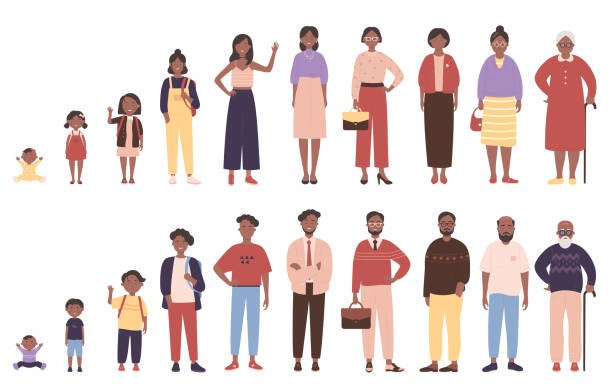
What is adolescence?
Adolescence is the period of life when a child develops into an adult, typically occurring between the ages of 10 and 19 years. During this crucial time, both boys and girls experience major transformations driven by hormonal changes in their bodies.
Hormones are natural chemical substances produced in your body that control how your body grows and develops. These hormones trigger the various changes you experience during your teenage years.
Note
The timing and intensity of adolescent changes vary greatly from person to person. Some may begin experiencing changes as early as 8-9 years old, while others might not start until 13-14 years old. This variation is completely normal and healthy.
Physical changes during adolescence
The physical changes during adolescence affect boys and girls in different ways, though both experience growth spurts and hormonal influences. These changes usually begin earlier in girls than in boys.
Important
Remember that physical development happens at different rates for everyone. Comparing yourself to others during this time can be harmful to your self-esteem. Focus on your own healthy development rather than worrying about being "ahead" or "behind" your peers.
Changes in girls
Girls typically experience several key physical developments:
- Their bodies develop more curves as their hips widen
- Hair begins growing under their arms
- Breast development starts to occur
- Skin may become more oily, sometimes leading to pimples or acne
- Body hair appears in new places (pubic hair)
- Leg muscles become bigger and stronger
- Menstruation begins - this is when the body starts producing eggs that could potentially be fertilised to create a baby
Changes in boys
Boys experience their own set of physical transformations:
- They gain weight and their shoulders become broader
- Muscles throughout their body get bigger and stronger
- Skin may become oilier, often resulting in pimples or acne
- They develop what's called an "Adam's apple" - a lump that becomes visible at the front of the neck and moves when speaking or swallowing
- Their voice changes and becomes deeper
- The penis grows longer and wider
- Hair starts growing under arms, on legs, and on their face
- Body hair develops (pubic hair)
- They may experience erections and wet dreams
- Their bodies begin producing sperm - the cells that can fertilise a woman's egg to create a baby
Emotional changes during adolescence
Growing towards adulthood brings significant emotional and psychological changes. These changes are a normal part of development but can sometimes feel overwhelming.
Note
The emotional changes during adolescence are largely caused by the same hormones responsible for physical changes, combined with the brain still developing - particularly areas responsible for decision-making and emotional regulation.
Teenagers often experience:
- Uncertainty about themselves - feeling unsure about their identity and place in the world
- Risk-taking behaviour - wanting to try new experiences, which can sometimes lead to dangerous choices
- Self-consciousness - worrying extensively about their appearance and how others perceive them
- Interest in romantic relationships - becoming attracted to others and interested in dating
- Questioning authority - starting to challenge beliefs, values, and rules they previously accepted
- Conflict with parents - arguing more frequently as they develop their own opinions
- Mood swings - experiencing rapid changes from feeling very happy to sad or depressed
- Feeling misunderstood - believing that nobody truly understands their experiences
- Seeking excitement - looking for new and stimulating experiences
- Identity confusion - feeling adult one moment and very young the next
- Increased irritability - becoming easily annoyed or frustrated
These emotional changes are driven by the same hormones causing physical changes, combined with the psychological challenges of developing independence and personal identity.
Social changes during adolescence
Changing relationships with others
Your relationships with family, friends, and peers undergo significant shifts during adolescence:
Family relationships often become more complicated as you develop your own views that may differ from those of your parents. Disagreements and conflicts become more common as you assert your independence and form your own opinions about life.
Peer relationships become increasingly important during this time. Many teenagers find that their friends become more significant to them than their parents or caregivers in terms of daily influence and decision-making.
Friendship patterns also evolve. Younger adolescents often form groups with friends of the same gender, engaging in similar activities and adopting similar styles of dress and behaviour. As teenagers get older, they typically begin forming friendships and romantic relationships with people of different genders.
Peer groups and peer pressure
Friends play a crucial role during adolescence, but this importance can sometimes create challenges through peer pressure. This refers to the feeling that you must behave in certain ways or make specific choices to fit in with your friend group or to appear "cool" to others.
Peer pressure can lead to both positive and negative outcomes:
Negative peer pressure might involve:
- Feeling pressured to wear expensive clothes to fit in, potentially causing financial stress and family conflicts
- Trying smoking, alcohol, or drugs, which can harm your health and lead to legal troubles
- Skipping school to spend time with friends, resulting in academic problems and conflicts with parents and teachers
Important
Negative peer pressure often feels strongest when you're trying to fit in with a new group or when your self-confidence is low. Remember that true friends will respect your decisions and won't pressure you to do things that make you uncomfortable or could harm you.
Positive peer pressure can motivate you to:
- Study harder and achieve better academic results
- Participate in healthy activities like sports or community service
- Make responsible choices that benefit your future
Skills for dealing with peer pressure
Learning to handle peer pressure effectively is an essential life skill. Here are some strategies:
- Stay true to yourself - remember your own values and what's important to you
- Make independent choices - consider what's genuinely good for you and your future, not just what others expect
- Practice assertiveness - learn to communicate your thoughts, feelings, and boundaries clearly to others
- Seek support - talk to trusted adults, family members, or other friends who can offer guidance and different perspectives
- Choose your friend group wisely - surround yourself with people who share similar values and support your positive goals
Note
Developing assertiveness skills takes practice. Start with small situations where you can practice saying "no" or expressing your opinion. This will help you build confidence for more challenging peer pressure situations.
Moving into the workforce
As you transition into young adulthood, entering the workforce brings additional social changes and responsibilities:
- You become accountable for performing well in your job and meeting professional expectations
- You must learn to work effectively as part of a team with colleagues
- Your family may depend on the income you earn, adding financial responsibility
- You have opportunities to form new friendships and professional relationships
- You become responsible for planning your career path and working towards your long-term goals
These workplace experiences help you develop important adult skills like time management, communication, and professional behaviour.
Case study example: Positive peer pressure
Example
Worked Example: How Positive Peer Pressure Can Transform Academic Performance
Consider the example of Loyiso, a student who initially wasn't interested in studying and found his homework boring. He usually copied work from his best friend Tumelo. When Tumelo was selected for a leadership camp, Loyiso felt left out and decided to join too.
The transformation process:
Step 1: Inspiration from peers - The camp experience inspired Loyiso to help his friends academically.
Step 2: Creating positive support systems - He organised regular after-school meetings where they could work on homework and prepare for tests together as a group.
Step 3: Experiencing success - This positive peer influence led to Loyiso developing a better attitude towards school, improving his understanding of subjects, and even beginning to enjoy learning.
The result: As Tumelo told him, "success breeds more success" - once Loyiso started experiencing academic improvement, it motivated him to continue working hard and achieving even better results.
Summary
Key Points to Remember:
-
Adolescence involves three main types of changes: physical transformations in your body, emotional shifts in how you think and feel, and social changes in your relationships with others.
-
Physical changes are driven by hormones and occur at different times and rates for different individuals, with girls typically experiencing changes earlier than boys.
-
Emotional changes are normal but can feel overwhelming - mood swings, identity questioning, and increased independence-seeking are all part of healthy development.
-
Peer relationships become more influential during adolescence, which can create both positive opportunities and pressure to make poor choices.
-
You can learn to handle peer pressure effectively by staying true to your values, making independent decisions, and surrounding yourself with supportive people who share your goals.