Participation in Exercise Programmes (Grade 10 NSC Matric Life Orientation): Revision Notes
📚Revision Notes
Participation in Exercise Programmes
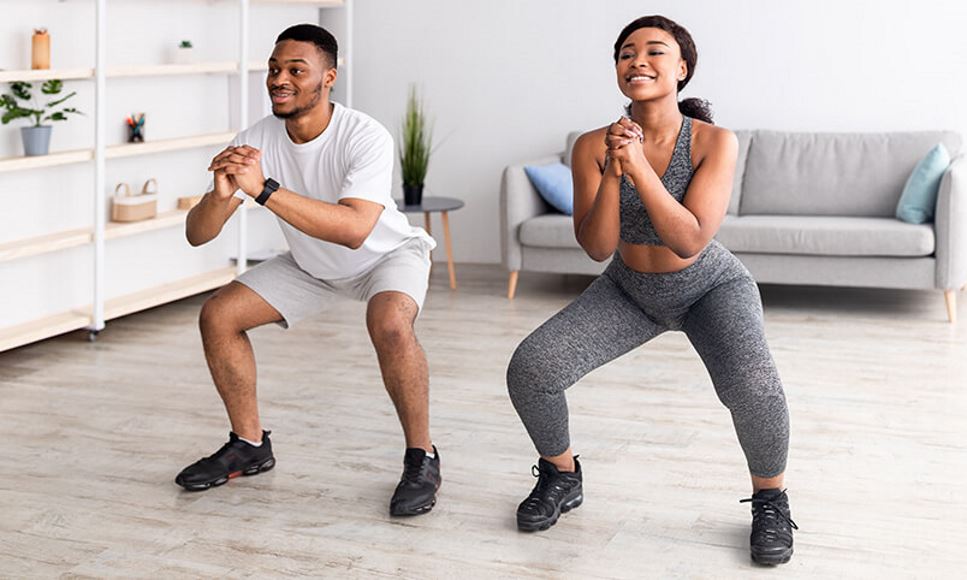
Taking part in exercise programmes means regularly engaging in physical activities that improve your physical fitness. When you exercise consistently, you become fitter and healthier, which helps you feel less tired and more energetic in your daily life. The more you exercise, the better you'll feel about yourself and your overall wellbeing.
Note
Regular participation in exercise programmes creates a positive cycle: the more you exercise, the more energy you have for daily activities, which makes it easier to maintain your exercise routine and continue improving your fitness levels.
Understanding physical fitness
Physical fitness refers to your ability to perform physical activities effectively while having enough energy left for other daily tasks. Being physically fit means your body can handle the demands of exercise and still function well for work, school, and leisure activities.
Physical fitness consists of four main components that work together to keep your body healthy and strong. Each component serves a specific purpose and can be improved through targeted activities.
Components of physical fitness
Cardiovascular fitness
Cardiovascular fitness describes how well your heart, blood vessels, and lungs work together to supply oxygen and nutrients to your body's cells during physical activity. When you have good cardiovascular fitness, your body becomes more efficient at delivering what your muscles need to keep moving.
Signs of good cardiovascular fitness include:
- A strong heart that doesn't need to beat as fast during rest
- Larger lung capacity that allows more oxygen into your bloodstream
- Lower blood pressure
- The ability to exercise for extended periods without becoming breathless or exhausted
Activities that improve cardiovascular fitness:
- Walking and hiking
- Cycling
- Dancing
- Aerobics classes
- Swimming
Note
These activities make your heart and lungs work harder, gradually strengthening them over time. Think of your cardiovascular system like any other muscle - the more you use it, the stronger it becomes.
Muscular strength
Muscular strength refers to your muscles' ability to exert force during an activity. When you have good muscular strength, your body gains several important benefits that improve your daily life and overall health.
Benefits of muscular strength include:
- Stronger muscles and tendons that support your body better
- Increased metabolism, helping you burn more calories
- Improved posture and body alignment
- Reduced back problems and joint pain
- Less tiredness during daily activities
- Fewer injuries during physical activities
Activities that build muscular strength:
- Lifting weights or using resistance bands
- Shot put and other throwing activities
- Climbing steps quickly
- Push-ups, pull-ups, and bodyweight exercises
- Partner exercises where you work against resistance
Important
Building muscular strength doesn't mean you need to become a bodybuilder. Even small improvements in strength can significantly reduce your risk of injury and make daily activities much easier to perform.
Endurance
Endurance is your body's ability to exercise for extended periods without becoming tired. This fitness component combines both cardiovascular fitness and muscular strength, allowing you to sustain physical activity over time.
Good endurance helps you maintain energy throughout long activities, whether that's playing a full soccer match, dancing for hours, or completing a long hike. It also helps you recover more quickly after physical exertion.
Activities that increase endurance:
- Cycling for longer distances
- Running and jogging
- Swimming laps
- Weight lifting with lighter weights but more repetitions
- Aerobics classes
- Jogging regularly
Flexibility
Flexibility describes your ability to move your joints and muscles through their complete range of motion. This component often gets overlooked, but it plays a crucial role in overall fitness and injury prevention.
Benefits of good flexibility:
- Increased range of motion in your joints
- Prevention and reduction of muscle soreness
- Improved speed and athletic performance
- Better body awareness, posture, and balance
- Enhanced coordination between different muscle groups
- Improved blood circulation throughout your body
- Increased relaxation and stress relief
- Reduced risk of injury during physical activities
Activities that improve flexibility:
- Stretching exercises performed regularly
- Swimming, which gently stretches muscles
- Yoga exercises that focus on flexibility and breathing
- Arm, leg, shoulder, chest, back, and abdominal stretches
Important
Many people skip flexibility training, but it's essential for preventing injuries and maintaining mobility as you age. Just 10-15 minutes of stretching after exercise can make a significant difference to your overall fitness.
The connection between physical and mental health
Regular physical activity provides significant benefits for your mental health, not just your physical condition. Health encompasses more than simply avoiding illness - it includes wellness, quality of life, and an overall sense of wellbeing.
Mental health benefits of exercise
When you engage in regular physical activity, your body and mind experience positive changes that improve how you think and feel:
Stress and emotional benefits:
- Reduces stress, worry, and feelings of depression
- Helps you relax and unwind after difficult days
- Makes you feel more confident about yourself and your abilities
- Allows you to enjoy activities and have fun with others
Cognitive and social benefits:
- Clears your mind, helping you focus better on your studies
- Improves brain functioning, including concentration, focus, memory, and alertness
- Helps you sleep better at night
- Encourages socialisation and meeting new people through group activities
The science behind feeling good
During exercise, your brain releases special chemicals called endorphins. These are natural substances produced by your pituitary gland and hypothalamus that help reduce pain and create feelings of happiness and wellbeing. This is why many people feel energised and positive after a good workout - your brain is literally producing its own "feel-good" chemicals.
Note
Understanding Endorphins
Endorphins are often called the body's "natural painkillers" because they have a similar effect to morphine but are produced naturally by your own body. The word "endorphin" comes from "endogenous morphine," meaning morphine produced within the body.
Real-world examples
South African research has shown the practical benefits of exercise participation. The South African Democratic Teachers Union (SADTU) recognises that sport and physical activity serve as effective tools for bringing together people of different backgrounds while promoting both health and wellness. They note that participation in physical activity contributes to improved school performance and better self-image among learners.
Studies have also demonstrated that teenagers who participate in at least 60 minutes of physical activity daily experience numerous benefits. Regular physical activity builds healthy bones and muscles, improves strength and endurance, reduces chronic disease risk factors, improves self-esteem, and reduces stress and anxiety. Research indicates that physical activity can also help improve school achievement, including better academic performance.
Example
Real-World Impact: Student Performance
A study involving South African learners found that those who participated in regular physical activity for at least 60 minutes daily showed:
- 15% improvement in concentration during classes
- Better test scores in mathematics and languages
- Reduced absenteeism due to illness
- Improved social relationships with peers
Long-term health benefits
Participating in exercise programmes provides lasting benefits that extend well beyond immediate fitness improvements:
Disease prevention:
- Lower risk of heart disease, stroke, and high blood pressure
- Reduced risk of colon cancer and type 2 diabetes
- Lower cholesterol levels
- Reduced risk of osteoporosis
Quality of life improvements:
- Living longer, healthier lives
- Better weight control and body composition
- Improved appearance and skin health
- Greater independence as you age
- Enhanced ability to recover from illness or injury
Note
The long-term benefits of exercise create a compounding effect - the earlier you start and the more consistent you are, the greater the benefits become over time. Even starting later in life can still provide significant health improvements.
Remember!
Summary
Key Points to Remember:
-
Physical fitness has four key components: cardiovascular fitness, muscular strength, endurance, and flexibility - all work together for optimal health
-
Exercise benefits both body and mind: Regular physical activity improves not only your physical health but also reduces stress, improves mood, and enhances academic performance
-
Endorphins are natural mood boosters: Your brain releases these "feel-good" chemicals during exercise, creating positive feelings and reducing pain
-
Start with activities you enjoy: Whether it's dancing, swimming, walking, or playing sport, the best exercise programme is one you'll stick with consistently
-
Exercise programmes provide lifelong benefits: Regular participation reduces disease risk, improves quality of life, and helps you maintain independence as you age