Magnetic and Non-Magnetic Materials (Grade 10 NSC Matric Physical Sciences): Revision Notes
📚Revision Notes
Magnetic and Non-Magnetic Materials
What is magnetism?
Magnetism is a fascinating force that allows certain objects to affect each other without even touching. Think of it as an invisible power that magnetic objects possess. When you hold a magnet near a magnetic object, there's an invisible area around the magnet called a magnetic field that becomes weaker as you move further away.
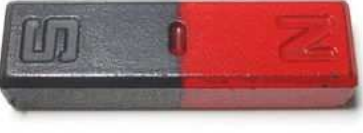
This force works through the air, making magnetic objects either attract (pull towards each other) or repel (push away from each other) without any physical contact needed.
Note
The magnetic field is strongest at the poles of a magnet and gradually weakens as you move away from the magnet. This invisible force field can pass through many materials, including air, paper, and even thin pieces of wood or plastic.
Understanding ferromagnetic materials
Some metals have a special property called ferromagnetism. This means they can be turned into magnets when exposed to a magnetic field. Here's what makes them special:
Ferromagnetic materials can be magnetised, which means they can be made into magnets themselves. When you hold a magnet very close to these materials, their own electrical field gets influenced and the object becomes magnetic too.
However, not all ferromagnetic materials behave the same way:
- Iron loses its magnetism quite quickly once the magnet is taken away
- Steel stays magnetic for much longer periods after the magnet is removed
Important
The key difference between iron and steel is crucial for practical applications. While iron is easily magnetised, it loses its magnetic properties almost immediately when the external magnet is removed. Steel, being an alloy of iron, retains its magnetism much longer, making it ideal for creating tools and devices that need to stay magnetic.
This is why steel is often used to make permanent magnets - magnets that keep their magnetic properties for extended periods and can be used for various practical purposes.
How to test for magnetism
Testing whether an object is magnetic or non-magnetic is straightforward. You can determine this by holding a magnet close to the object you want to test. If the object is attracted to (pulled towards) the magnet, then it too is magnetic.
Example
Practical Investigation: Testing for Magnetism
Step 1: Find five different objects from your classroom or home
Step 2: Test each object by bringing a magnet close to it
Step 3: Record your results in a table like this:
| Object | Magnetic or non-magnetic |
|---|---|
This practical activity helps you understand which materials respond to magnetic forces and which don't. Remember to test various materials including metals, plastics, wood, and paper to get a comprehensive understanding of magnetic properties.
Key applications and uses of magnets
Understanding magnetism has led to many important applications in our daily lives. The practical uses of magnetic materials demonstrate how scientific understanding translates into real-world solutions:
- Scrap yards use powerful magnets to separate and sort different metals
- Compasses use magnets to help people find direction when navigating
- Data storage devices like computer hard drives and old video tapes use magnetic strips to store information
- ATM cards contain magnetic strips that hold your account information
- Generators and electric motors rely on magnetic forces to convert between electrical and mechanical energy
These applications show how understanding the properties of magnetic and non-magnetic materials has helped society develop advanced technology and solve practical problems.
Note
Modern technology increasingly relies on magnetic principles. From the speakers in your headphones to the motors in electric cars, magnetism plays a crucial role in converting energy from one form to another, making our modern lifestyle possible.
Remember!
Summary
Key Points to Remember:
- Magnetism is a force that works without physical contact through an invisible magnetic field
- Ferromagnetic materials can be turned into magnets, with steel retaining magnetism longer than iron
- You can test if an object is magnetic by seeing if it's attracted to a magnet
- Magnetic properties are used in many everyday applications from data storage to navigation
- The magnetic field around a magnet gets weaker as you move further away from it