Activities (Grade 12 NSC Matric Life Orientation): Revision Notes
📚Revision Notes
Activities
Physical activities play a crucial role in the NSC Life Orientation curriculum, offering students diverse opportunities to develop fitness, cultural awareness, and social skills. These activities range from high-energy workouts to traditional games, each contributing unique benefits to your overall well-being and personal development.
Note
The NSC Life Orientation curriculum emphasises the importance of varied physical activities to ensure holistic development. Each activity type contributes differently to your physical, emotional, and social growth.
Cardio kickboxing
Cardio kickboxing represents an exciting fusion of martial arts techniques with aerobic fitness training. This high-energy workout combines powerful kicks, sharp punches, and defensive movements borrowed from various martial arts disciplines. The activity is typically conducted in group classes with motivating music, creating an engaging and supportive environment.
The benefits of cardio kickboxing extend far beyond basic fitness. It significantly strengthens your cardiovascular system whilst building muscle strength and improving agility. The workout serves as an excellent calorie-burning exercise, making it valuable for weight management goals. Additionally, the activity builds self-confidence through mastering body movements and provides a healthy outlet for managing stress and releasing aggression in a controlled manner.
Important
Cardio kickboxing provides a safe and controlled environment for releasing aggression and stress, making it particularly beneficial for emotional regulation and mental health.
Dance
Dance encompasses a wonderfully diverse range of movement forms that blend physical fitness with creative expression. In the South African context, this includes traditional cultural dances such as Zulu, Tswana, and Xhosa styles, alongside modern forms like hip-hop and contemporary dance, as well as recreational styles including line dancing and ballroom.
The activity combines fitness training with creativity and personal expression, making it both physically and emotionally beneficial. Dance enhances your flexibility, coordination, and balance whilst encouraging cultural appreciation and strengthening your sense of identity. When performed in groups, it develops teamwork and communication skills. The rhythmic movement and music combination effectively improves mood and provides stress relief through natural endorphins.
Example
Cultural Dance Example: Traditional Zulu Dance
Step 1: Learn basic foot patterns and rhythmic stepping
Step 2: Add arm movements that tell stories or represent nature
Step 3: Combine movements with traditional music and group coordination
Step 4: Practice in cultural costume to enhance the authentic experience
Walking, jogging and jumping rope
These fundamental cardiovascular activities form the foundation of many fitness programmes. Walking offers an accessible entry point for all fitness levels and promotes daily physical activity habits. Jogging increases the intensity with a faster pace that builds endurance capacity. Jump rope develops rhythm and agility through coordinated movements.
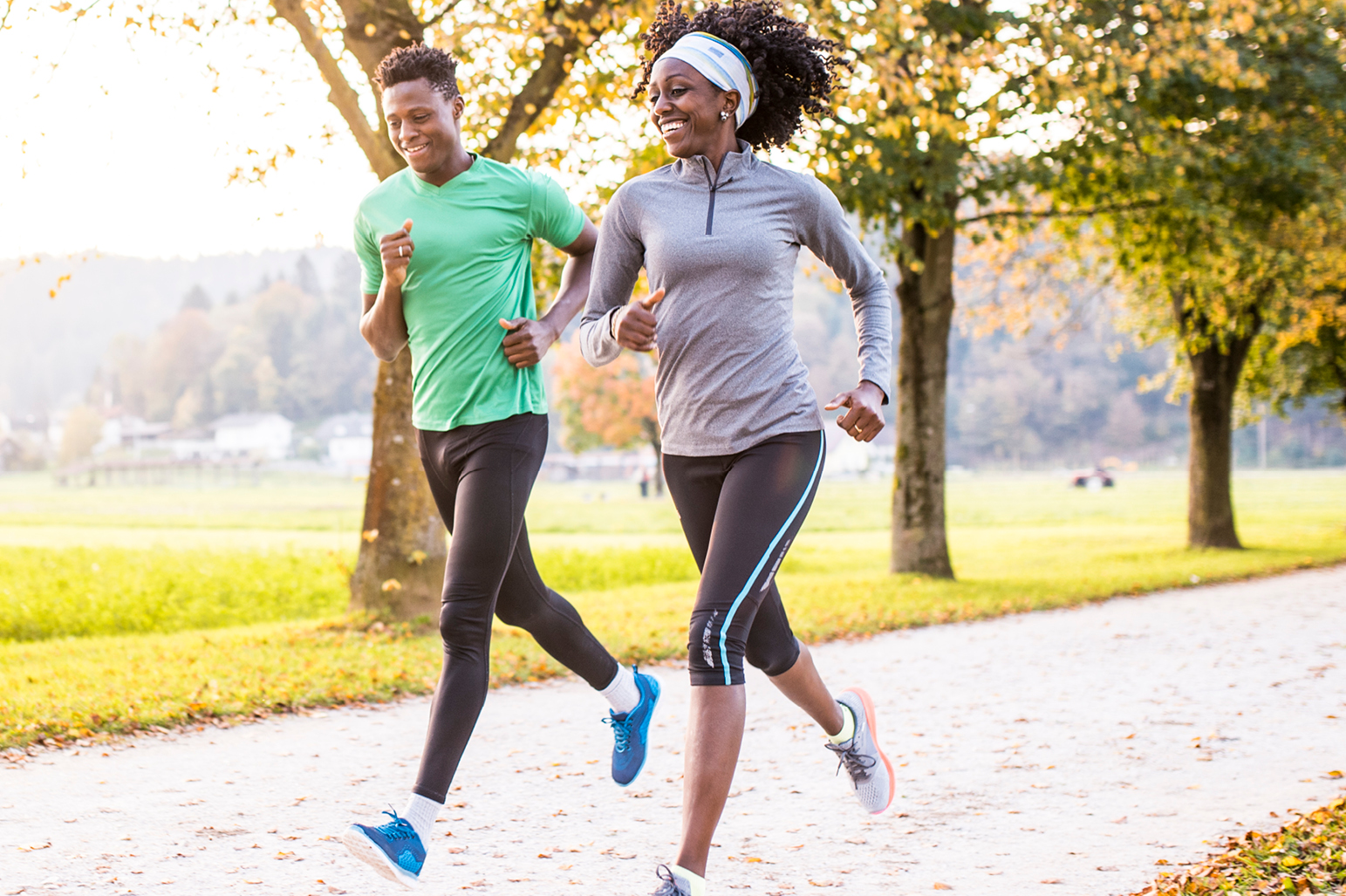
These activities provide exceptional benefits for long-term health by strengthening your heart and lungs. They require minimal equipment and can be performed almost anywhere, making them highly practical choices. Regular practice builds persistence and self-discipline through establishing routine habits. The activities also offer flexibility for both solo reflexion time and social participation with friends or groups.
Important
These activities are particularly valuable because they require minimal or no equipment and can be performed in almost any environment, making them accessible to all students regardless of economic circumstances.
Fitness circuits and tests
Fitness circuit training utilises different exercise stations that might include push-ups, squats, sprints, and sit-ups, creating varied and engaging workouts. Fitness tests measure your current levels of flexibility, strength, speed, and endurance, providing valuable baseline data for goal-setting.
This approach offers a comprehensive view of your personal fitness across multiple components. It encourages goal-setting behaviour and enables you to track improvements over time, building motivation through measurable progress. Circuit training creates a balanced development between muscular strength, cardiovascular endurance, and flexibility. The measurable results develop accountability and help you take ownership of your fitness journey.
Note
Circuit training is particularly effective because it targets multiple fitness components in a single session, making it time-efficient and comprehensive for overall physical development.
Soccer
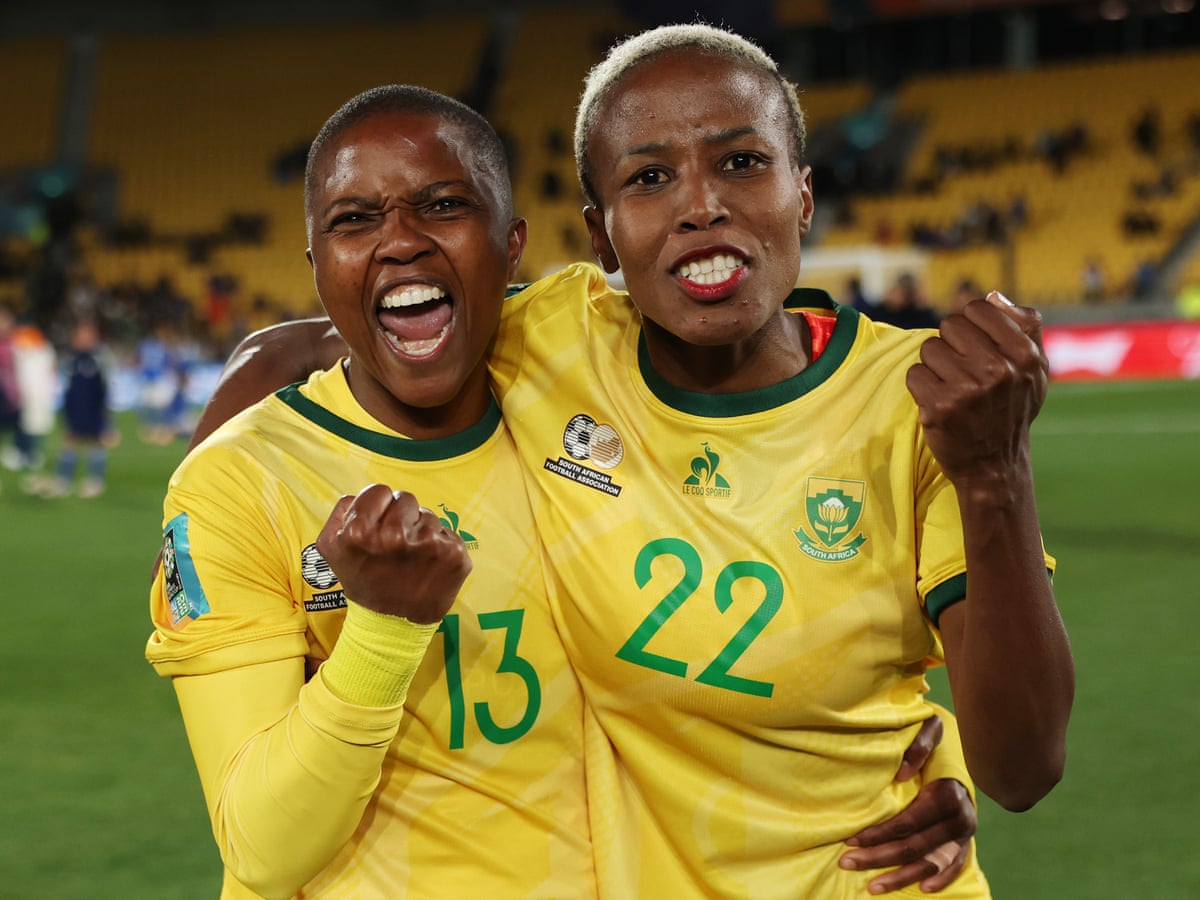
Soccer is a dynamic team sport where players aim to score goals by kicking the ball into the opponent's net. The game demands coordination, endurance, and strategic thinking from all participants.
This popular sport promotes essential life skills including teamwork, communication, and discipline. The continuous running involved provides excellent cardiovascular health benefits. Players develop agility, speed, and ball control skills through regular practice. Soccer also builds community spirit in schools and neighbourhoods, creating social bonds and shared experiences.
Basketball
Basketball is a fast-paced team sport where players score by shooting the ball into an elevated hoop. The game demands quick reflexes, coordination, and constant movement from all players.
The sport significantly improves hand-eye coordination, jumping ability, and overall speed. It encourages teamwork and strategic thinking as players must work together effectively. Basketball teaches respect for rules and fair play principles. The high-intensity nature provides an excellent cardiovascular workout that builds stamina and endurance.
Indigenous games
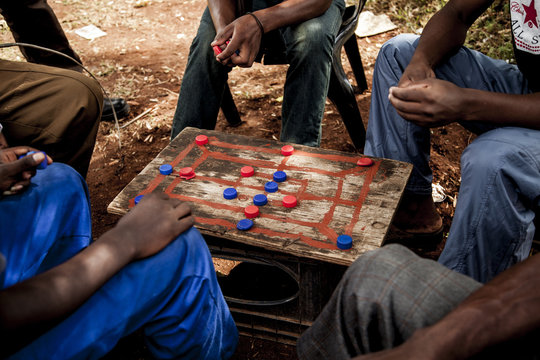
Indigenous games preserve important aspects of African cultural heritage and traditions. Examples include diketo (a strategic stone game), kgati (rope skipping variations), and morabaraba (a board game requiring strategic thinking).
These traditional activities promote inclusion and pride in cultural identity whilst connecting you to your heritage. They develop fine motor skills, mental strategy, and agility through engaging gameplay. Indigenous games encourage intergenerational participation, allowing young people to learn from elders and maintain cultural connections. They provide accessible forms of recreation without requiring costly equipment, making them available to all community members.
Example
Indigenous Game Example: Morabaraba
Step 1: Set up the board with three concentric squares connected by lines
Step 2: Each player places 12 pieces on the board alternately
Step 3: Form "mills" (three pieces in a row) to capture opponent's pieces
Step 4: Continue until one player has fewer than three pieces remaining
Important
Indigenous games are crucial for cultural preservation and provide an opportunity for young people to connect with their heritage while developing strategic thinking and fine motor skills.
Traditional and non-traditional games
Traditional games are rooted in cultural heritage and have been passed down through generations, maintaining their original forms and cultural significance. Non-traditional games represent modern adaptations or newly invented activities designed for fun and recreation in contemporary settings.
Both types help keep cultural practices alive whilst adapting to modern environments and needs. They encourage creativity and problem-solving skills through varied gameplay. These games offer opportunities for learners of different abilities to participate equally, promoting inclusivity and ensuring everyone can engage meaningfully in physical activity.
Playground and community games
These informal games include activities like hopscotch, tag, dodgeball, and street cricket. They are typically played in schools, parks, or neighbourhood areas without requiring formal organisation or expensive equipment.
Playground games foster social bonding and inclusivity across different community groups. They encourage outdoor play, helping reduce excessive screen time in young people. These activities teach basic rules, cooperation, and conflict resolution skills through natural play interactions. They remain accessible to children and youth regardless of economic resources, ensuring equal participation opportunities.
Note
Playground games are particularly valuable for developing social skills naturally, as they teach cooperation, rule-following, and conflict resolution through play rather than formal instruction.
Self-defence
Self-defence training teaches physical techniques for protecting yourself in dangerous situations. It includes developing awareness of your surroundings, learning avoidance strategies, and mastering simple escape techniques.

Self-defence builds confidence and personal security, helping you feel more prepared to handle challenging situations. The training improves strength, agility, and reflexes through physical practice. It encourages discipline and respect for others whilst teaching responsible use of physical skills. The knowledge empowers learners, particularly in contexts where personal safety may be a concern.
Important
Self-defence training emphasises responsible use of skills and focuses primarily on awareness, avoidance, and escape rather than confrontation.
Gymnastics
Gymnastics focuses on developing balance, coordination, and strength through various activities including floor routines, tumbling, and apparatus work. The discipline can be artistic, rhythmic, or recreational depending on the setting and goals.
This activity significantly improves body control, flexibility, and muscle tone through precise movements. It develops focus, discipline, and perseverance as skills require consistent practice to master. Gymnastics encourages creativity in movement and builds self-confidence through achieving challenging skills and overcoming physical obstacles.
Orienteering and cross-country running
Orienteering involves using maps and compasses to navigate routes through outdoor terrain, combining physical activity with mental challenges. Cross-country running covers long distances over natural landscapes, building endurance and connecting you with nature.
These activities build stamina, resilience, and perseverance through sustained physical effort. They improve decision-making and problem-solving abilities as you navigate challenges. The outdoor setting connects you with nature and encourages environmental awareness. Both activities teach independence and personal responsibility through self-reliance during activities.
Example
Orienteering Challenge Example:
Step 1: Study the map and identify key landmarks and checkpoints
Step 2: Plan the most efficient route considering terrain and distance
Step 3: Use compass bearings to maintain direction during navigation
Step 4: Locate each checkpoint using map reading and observation skills
Table tennis
Table tennis is an indoor precision sport played with a bat and small ball on a table divided by a net. The fast-paced game requires quick reflexes and accuracy.
This sport enhances hand-eye coordination and rapid thinking abilities. It improves focus, patience, and strategic planning through competitive play. Table tennis provides recreational activity suitable for all ages and ability levels. The game encourages social interaction within a competitive yet friendly environment.
Relaxation and fitness exercises
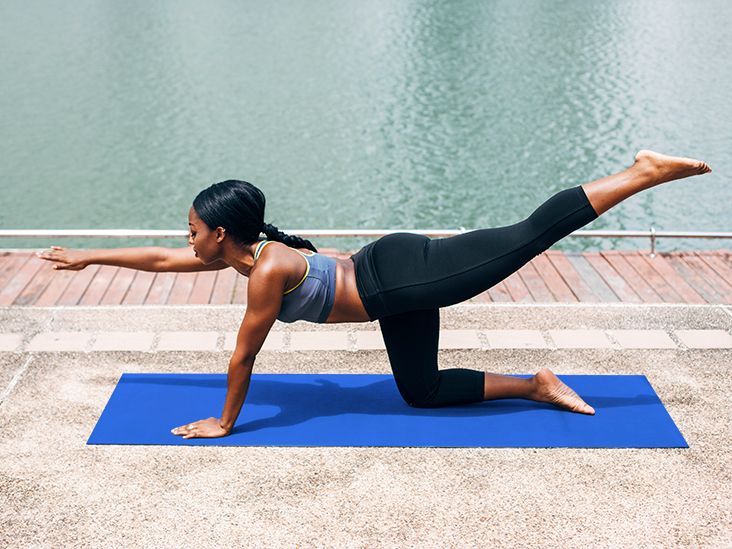
This category includes yoga (focused on flexibility, posture, breathing, and mindfulness), Pilates (strengthening core muscles, posture, and alignment), and Tai Chi (involving slow, flowing movements for balance and relaxation).
These practices effectively reduce stress and anxiety, promoting better emotional health. They enhance flexibility, balance, and muscle strength through controlled movements. The activities encourage self-awareness and concentration skills. They support recovery after intensive physical activity, helping your body restore and regenerate properly.
Note
Relaxation and fitness exercises serve a dual purpose: they improve physical fitness while simultaneously supporting mental health and stress management.
Summary
Key Points to Remember:
- Diverse benefits: Each physical activity offers unique advantages for fitness, cultural awareness, and social development
- Cultural connection: Indigenous and traditional games help preserve South African heritage whilst promoting inclusivity
- Accessibility: Many activities require minimal equipment, making them available regardless of economic circumstances
- Life skills: Team sports and group activities develop communication, cooperation, and leadership abilities
- Health foundation: Regular participation in varied physical activities supports long-term cardiovascular health, strength, and mental well-being