Safety Issues (Grade 12 NSC Matric Life Orientation): Revision Notes
📚Revision Notes
Safety Issues
Understanding safety in physical education
Physical Education in the NSC curriculum requires you to demonstrate knowledge of safety concerns during sports and physical activities. The main objective is to help you engage in activities without risk of harm whilst taking care of yourself and others around you. These concepts connect to exam questions about managing risks, injury prevention, and implementing safe practices in schools and communities.
Note
Understanding safety principles is fundamental to all physical education activities. These concepts not only protect you during participation but also form the basis for many examination questions in the NSC curriculum.
Core safety principles in physical activities
Preparation and recovery procedures
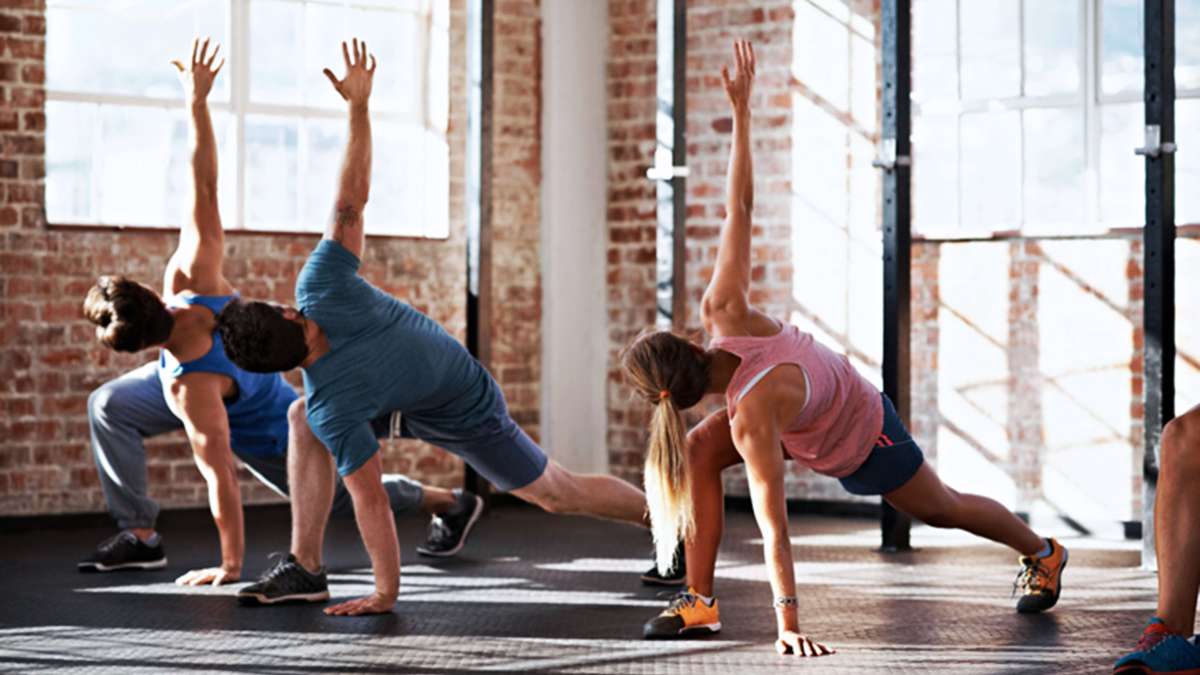
Warm-up activities are essential before any physical exercise. Begin every session with gentle stretching and light movements to prepare your muscles for more intense activity. This preparation helps prevent muscle strains and other injuries.
Cool-down routines after exercise are equally important. These activities help reduce muscle stiffness and support your body's recovery process. Skipping cool-down can lead to soreness and slower recovery times.
Important
Never skip warm-up or cool-down procedures. These are not optional extras but essential components of safe exercise practice. Rushing into intense activity without proper preparation is a common cause of preventable injuries.
Equipment safety protocols
Using sports equipment correctly is crucial for injury prevention. Always follow instructions when handling any fitness or sports gear. If you notice damaged or faulty equipment, report it immediately to your teacher or coach before anyone gets hurt.
Protective equipment such as helmets, shin guards, or mouth guards should be worn when specified for your activity. These items are designed to protect you from serious injuries during contact sports or high-risk activities.
Important
Equipment Safety Rule: Never use damaged equipment, even if the damage seems minor. What appears to be a small crack or loose fitting can lead to serious injury during use. Always report equipment problems immediately.
Suitable clothing and footwear
Choose exercise clothing that allows comfortable movement without being too loose or restrictive. Your clothing should be appropriate for the activity and weather conditions.
Proper footwear plays a vital role in preventing ancle and foot injuries. Different activities require different types of shoes - for example, running shoes for jogging or studded boots for rugby on grass fields.
Note
Your choice of clothing and footwear directly impacts your safety and performance. Inappropriate gear can restrict movement, cause overheating, or increase injury risk during physical activities.
Nutrition and hydration management
Maintaining proper fluid levels is essential before, during, and after physical activity. Dehydration can lead to fatigue, dizziness, and more serious health complications.
Timing your meals correctly around exercise is also important. Avoid exercising on a completely empty stomach or immediately after eating a large meal, as both can cause discomfort or health issues.
Important
Hydration Guidelines:
- Drink water before you feel thirsty
- Take regular water breaks during extended activities
- Continue hydrating after exercise to support recovery
- Watch for signs of dehydration: dizziness, fatigue, or dark urine
Environmental awareness
Before beginning any activity, inspect the playing area for potential dangers such as broken glass, holes in the ground, or wet surfaces. These hazards can cause serious injuries if not identified beforehand.
Stay away from unsafe locations, overcrowded areas, or poorly lit spaces when exercising. Choose well-maintained facilities with adequate lighting and proper supervision.
Example
Environmental Safety Check: Before starting any outdoor activity, walk through the playing area and look for:
Step 1: Ground hazards - rocks, holes, broken glass, or uneven surfaces
Step 2: Weather conditions - wet surfaces, strong winds, or extreme temperatures
Step 3: Boundaries and obstacles - proper field markings and clear boundaries
Step 4: Lighting and visibility - adequate lighting for safe participation
Smart training approaches
Gradual progression is key to safe training. Avoid sudden increases in exercise intensity, which can lead to overuse injuries or muscle strain. Build up your fitness level steadily over time.
Listen to your body's signals - stop exercising if you experience pain, unusual fatigue, or dizziness. Pushing through these warning signs often leads to more serious injuries.
Always follow the specific rules and safety guidelines for each sport or activity you participate in.
Important
Listen to Your Body: Pain, dizziness, or unusual fatigue are warning signals that should never be ignored. Continuing to exercise when experiencing these symptoms can turn a minor issue into a serious injury requiring medical attention.
Emergency response preparation
Know the location of the nearest first aid kit in any facility where you exercise. Familiarise yourself with your school's emergency procedures, including how to contact medical assistance when needed.
Immediate reporting of any injuries to your teacher, coach, or supervisor is essential. Even minor injuries should be documented and treated promptly to prevent complications.
Note
Being prepared for emergencies isn't just about knowing what to do when something goes wrong - it's about creating an environment where everyone feels confident that help is available if needed.
Safety considerations for South African students
Road safety awareness
Many students walk to school daily in South Africa. Always use pavements and designated pedestrian crossings when available. Be especially cautious during early morning or late afternoon when visibility is reduced.
Personal security measures
Remain alert and aware of your surroundings in public spaces. Avoid taking shortcuts through unfamiliar or isolated areas, particularly when carrying sports equipment or travelling alone.
Community activity safety
When participating in sports or recreational activities in your community, ensure these take place in safe, supervised environments with qualified adults present.
Protection from harassment
Schools should provide environments where all students feel safe and protected from any form of harassment or abuse during physical activities. Report any concerning behaviour to trusted adults immediately.
Important
Local Safety Awareness: South African students face unique safety challenges that extend beyond the sports field. Road safety, personal security, and community safety must all be considered when participating in physical activities outside school premises.
Assessment preparation
Common exam question types
Examiners frequently ask you to list or explain safety measures that should be taken before, during, and after physical activities. Be prepared to discuss why safety is important for health, wellbeing, and academic performance.
You may need to evaluate a physical education programme for potential safety risks and suggest practical improvements.
Application questions often ask you to apply safety practices to real-life situations, such as organising a school sports day or planning a training session.
Example
Sample Exam Response Structure:
Question: "Explain three safety measures that should be taken before participating in contact sports."
Answer Structure:
-
Warm-up procedures: Complete 10-15 minutes of gentle stretching and light cardio to prepare muscles and joints for intense activity, reducing risk of strains and sprains.
-
Equipment inspection: Check all protective gear (helmets, padding, mouth guards) for damage and ensure proper fit, as faulty equipment can cause rather than prevent injuries.
-
Environmental assessment: Inspect the playing surface for hazards like wet patches, holes, or debris that could cause slips, trips, or cuts during play.
Exam strategy tips
When answering safety questions, structure your responses using physical, mental, emotional, social, and academic benefits where relevant. This comprehensive approach demonstrates thorough understanding.
Use specific examples in your answers, such as "wearing proper cricket pads to prevent leg injuries during batting practice." Concrete examples show practical knowledge.
When asked to evaluate programmes, always include both positive aspects and areas for improvement. Balanced evaluation shows critical thinking skills.
Connect safety practices to long-term participation in physical activity. Explain how developing safe habits encourages people to remain active throughout their lives.
Note
Examiners are looking for evidence that you understand not just what safety measures to take, but why they're important and how they connect to broader health and wellness concepts.
Assessment preparation
Summary
Key Points to Remember:
- Safety in physical education focuses on protecting yourself and others through proper preparation, equipment use, and environmental awareness
- Essential safety practices include warming up, using equipment correctly, wearing appropriate clothing, staying hydrated, and being prepared for emergencies
- South African students must also consider road safety, personal security, and community safety when participating in physical activities
- Understanding and applying safety principles not only prevents injuries but also promotes lifelong engagement in healthy physical activity
- Exam questions often require you to explain, evaluate, or apply safety measures to real-life scenarios