The apophatic way- via negativa (Edexcel A-Level Religious Studies): Revision Notes
📚Revision Notes
The apophatic way- via negativa
Via-Negative (The Apophatic Way)
Given the difficulties of using language to capture and understand a transcendent God, the radical way forwards is to deny that we can say anything about God, and we can only say what he is not.
The via negativa is therefore to say what God is not, to avoid undermining his transcendence.
We cannot say that God is omnipotent, omniscient, and loving because we cannot understand what this means when applied to God as human language cannot fully capture the meaning.
Note
Basil the Great and Gregory of Nyssa both pointed out that humans cannot know the essence of God. In the same way, we cannot understand the mind or essence of an ant.
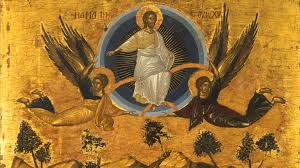
Evagrius Ponticus
The highest understanding of God is "pure prayer" when the mind is free from any distraction, connecting with God on a personal level without the need for words or images, just appreciation. The via negativa aims to move beyond language altogether to the "divine darkness" that lies beyond any human concept.
John Scotus Eriugena
📎 "God is beyond all meaning and intelligence, he alone possesses immorality."
Moses Maimonides
Maimonides warns continuously of the dangers of anthropomorphizing God. We must use the scripture to think of God in human terms.
However, we cannot take the word of the bible literally, for example thinking that our supreme being has a material body.
St. Thomas Aquinas on Maimonides' Via Negativa
Aquinas understood that the essence of God is far beyond human understanding or human language but didn't draw the conclusion that nothing could be done about it.
For Aquinas, the Via Negativa is a prelude to understanding God.
To say what God is not telling us something about God nonetheless
Criticism of Via Negativa
- Brian Davis: argues that religious statements impart information when speaking about something in our world thus Via Negativa provides no knowledge to us (no info about God, annihilation).
- Both too much agnosticism and not proper use of scripture - scripture provides us knowledge, and should be used at our finite level as it is.
- Christian orthodoxy insists on God's involvement in the world, If Via Negativa can only say what God is not, we cannot understand the significance of humans and the world.
- The information gained through the Via Negativa is negligible and gives us no deep insight into the nature of God.
- W.R. Inge- to deny God and his description is to lead to the "annihilation of both God and humanity." If we remove the depiction of God just because we cannot comprehend it to the max, we lose the essential link between God and the world.
- The Bible insists on God's involvement in the world, so, naturally, we have some understanding of God.
- G.K Chesterton and Pierre Teilhard de Chordin: "Divination of matter"- finding god through material existence, is all part of his divine plan.
- We can feel and know God's love without fully understanding it.