Food security (Edexcel GCSE Biology): Revision Notes
📚Revision Notes
Food security
Note
Food security refers to having sufficient, safe, and nutritious food to meet the dietary needs of the population.
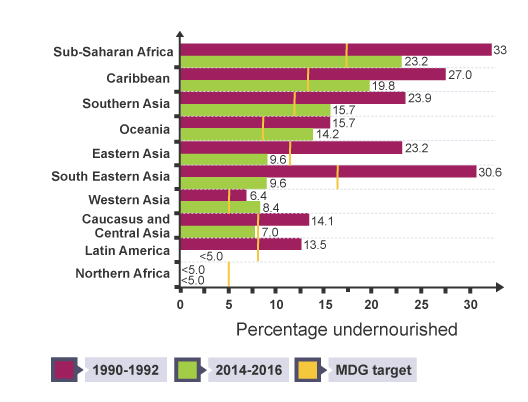
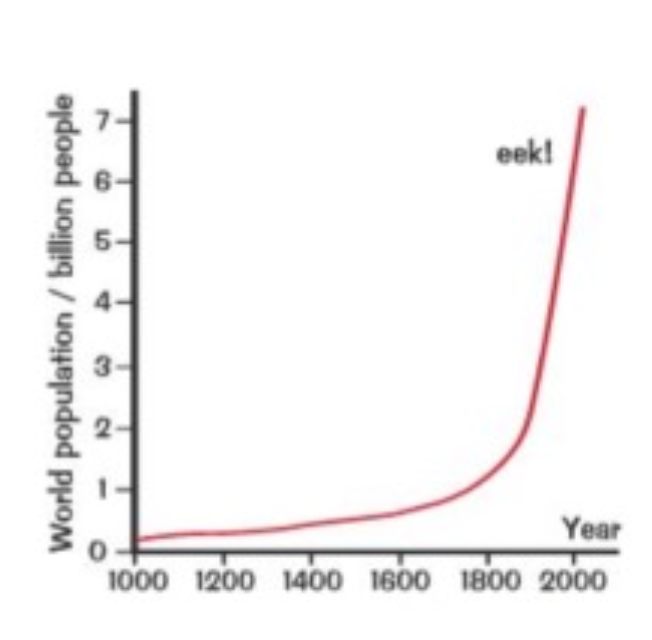
- Worlds population is rising very quickly and isn't slowing down.
- Results in global food production increasing too, so that we all have access to enough food that is safe for us to eat and has the right balance of nutrition - this is known as 'food security'
Key Factors Influencing Food Security:
- Increasing Population:
- Higher Birth Rates: As the global population grows, more food is required to meet the increasing demand. This puts pressure on agricultural systems to produce enough food.
- Overuse of land and resources may lead to soil depletion and reduced crop yields over time.
- The demand for food leads to overfishing and overexploitation of natural resources, threatening ecosystems.
- Changing Diets:
- Demand in Developed Countries: As people in developed countries shift towards more resource-intensive diets (e.g., higher meat consumption), the demand for certain foods increases. This can strain global food supplies, especially when these resources are already limited.
- New Pests and Pathogens:
- Crop and Livestock Threats: The emergence of new pests and diseases can devastate crops and livestock, reducing food production and threatening food security.
- Pathogens (disease-causing organisms like bacteria, viruses, and fungi) can infect livestock and crops, reducing yields and increasing the cost of food production.
- Climate change and globalisation increase the spread of pests and diseases, making it harder to control their effects on food security.
- Climate Change:
- Impact on Agriculture: Changes in climate, such as droughts, floods, and unpredictable weather patterns, can severely affect crop yields and food production. For example, insufficient rainfall can lead to crop failures, while extreme weather can damage infrastructure.
- Conflict:
- Disruption of Resources: Conflicts in certain regions can disrupt the availability and distribution of essential resources like water and agricultural inputs, making it difficult to produce and distribute food.
Sustainable Solutions for Food Security:
- To ensure food security for the global population, it is crucial to adopt sustainable agricultural practices. These include improving crop yields, reducing waste, managing resources efficiently, and developing resilient food systems that can adapt to changing conditions.
Biological factors affecting the level of food security.
Increasing Consumption of Meat and Fish:
- As people become wealthier, their diets are likely to change to include a wider variety of foods, e.g. more meat and fish.
- Less energy and biomass every time you move up the food chain.
- Risk of over-fishing wild fish, so that there won't be enough available to catch in the future.
Environmental Changes Caused by Human Activity:
- Burning fossil fuels releases lots of carbon dioxide, which is a greenhouse gas.
- Increasing levels of greenhouse gases cause global temperatures to rise.
- Global warming is a type of climate change, and it causes other forms of climate change, e.g. changing rainfall patterns, which will affect the growth of crops.
- Other changes caused by humans (e.g. soil pollution) could also reduce our ability to grow crops.
Sustainability:
- Meeting the needs of today's population without affecting the ability of future generations to meet their needs.
- For example, diesel and petrol are made from crude oil, a non-renewable fossil fuel. There is currently an increase in the growth of crops to make biofuels, e.g. bioethanol. Biofuels are renewable alternatives to fossil fuels, but they take up land that could be used to grow food crops.
- Also, the high input costs of farming (e.g., the price of fertilisers) may make it too expensive for farmers in some areas to continue farming and maintain food production in the future.
Pests/Pathogens:
- Pests (e.g. some insects) and pathogens (e.g. bacteria and fungi) can cause damage to crops and livestock.
- When new pests and pathogens emerge, they can have a negative impact on yields. E.g., if a new disease spreads to a crop, lots of the population may not be resistant to the disease. This means a large number of the crop plants will be damaged, reducing the yield and the amount that can be sold as food.
Materials are recycled through both living (biotic) and non living (abiotic ) components of ecosystems
- Living things are made of elements and taken from environment. Eg. Plants take up CO2 and
- They turn these elements into complex compounds that make up living organisms. Elements are passed along food chain when animals eat the plant and each other
- Elements are recycled- waste products and dead organisms broken down by decomposers and elements are returned into soil or air ready to be taken in by new planets and put them back in food chain.