Indicator species (Edexcel GCSE Biology): Revision Notes
📚Revision Notes
Indicator species
Note
Indicator species are organisms that can be used to assess the level of pollution in water and air. These species are sensitive to environmental changes, particularly in oxygen levels or pollutants, and their presence or absence can reveal whether an environment is polluted. However, it is important to note that indicator species can only provide information about the presence or absence of pollution. For more precise pollution measurements, chemical analysis with electronic metres or laboratory tests is required.
Water Pollution Indicators
When water is polluted by raw sewage or fertilisers, the process of eutrophication occurs, which depletes oxygen levels in the water. Certain freshwater animals are highly sensitive to oxygen concentration, while others can survive in polluted conditions.
- Species Found in Polluted Water:
- Bloodworms and sludgeworms are species that can survive in low-oxygen environments, such as those affected by water pollution. Their presence indicates that the water has a high level of pollution.
- Species Found in Clean Water:
- Freshwater shrimps and stonefly nymphs are highly sensitive to oxygen levels and can only survive in clean water. If these species are present, it indicates that the water is relatively unpolluted.
Air Pollution Indicators
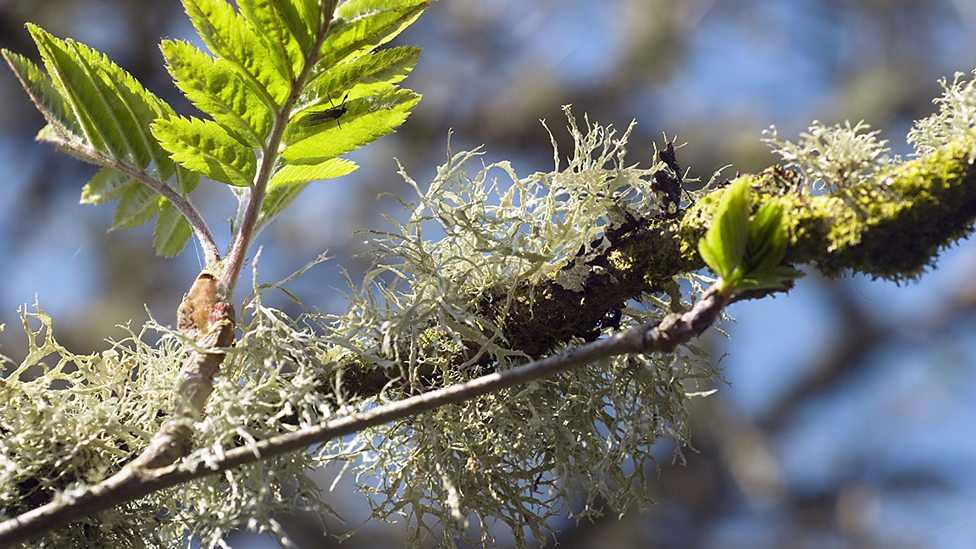
Pollutants like sulfur dioxide, commonly released from industrial processes and power stations, can impact air quality. Certain species of lichens and blackspot fungus on roses are sensitive to sulphur dioxide levels, making them useful indicators of air quality.
- Lichens:
- Different species of lichen are more or less tolerant of sulphur dioxide. The presence of sensitive lichen species indicates clean air, while their absence or the dominance of more pollution-tolerant lichen suggests poor air quality.
- Blackspot Fungus:
- Blackspot fungus on roses is another indicator of air quality. This fungus does not thrive in areas with high sulphur dioxide levels, so its presence indicates clean air, while its absence could suggest polluted air.
Note
Using indicator species provides a qualitative understanding of pollution in ecosystems but cannot quantify pollution levels. For precise measurements, chemical testing is needed.
| Water pollution | Air pollution |
|---|---|
| If raw sewage or fertilisers containing nitrates are released into a river, the microorganisms in the water increase in number and use up the oxygen. | |
| Clean water Stone fly larvae Fresh water shrimp are good indicators for water pollution because they are very sensitive to the concentration of dissolved oxygen in water. | Clean Air Black spot fungus Found on rose leaves Bushy lichen |
| Polluted Water (ANOXIC) Blood worms Sludge worm Other invertebrate species have adapted to live in polluted conditions, if you see lots of them there is a problem with the water | Leafy lichen (semi-polluted) Crusty lichen (polluted) Lichen that are very sensitive to the concentration of sulphur dioxide in the atmosphere The more lichen, the more polluted the air |
Indicator species do have flaws too:
| Other options | |
|---|---|
| Survey for species present/ absent | Tell if air is polluted or not(not good for telling how much air is polluted) |
| Count number of indicator species | give a numerical value, allowing to see roughly how much area is polluted |
| Dissolved 02 meters / chemical tests | Accurately measures |
| Electronic metres | measure concentration of sulphur dioxide is air to show how air pollution is changing. |