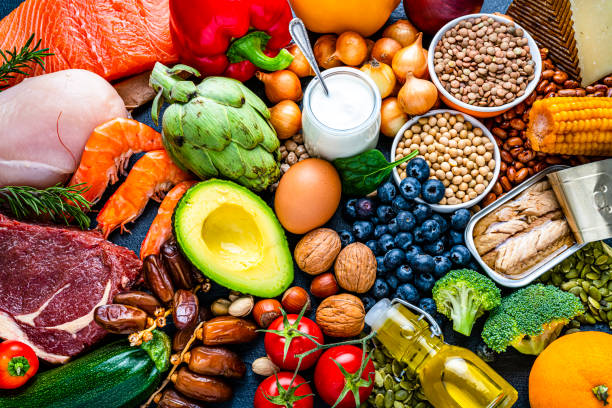
Healthy Eating Guidelines (Junior Cert Home Economics): Revision Notes
📚Revision Notes
Healthy Eating Guidelines
- Eat Plenty of Fruits and Vegetables
- Aim for at least five portions per day, including a variety of colours.
- Different colours mean different nutrients (e.g. vitamin C in oranges, iron in leafy greens).
- Important because fruits and vegetables are rich in vitamins, minerals, fibre, and antioxidants, which support the immune system and reduce the risk of diseases like cancer and heart disease.
- Choose Wholegrain Options
- Pick wholegrain bread, cereals, pasta, and rice instead of refined white versions.
- Wholegrains are high in fibre, which improves digestion and helps prevent constipation.
- They also release energy slowly, helping to maintain steady blood sugar levels and keep you fuller for longer — useful for managing weight.
- Select Low-Fat Products
- Choose low-fat milk, cheese, and yoghurt where possible.
- Important because these foods provide calcium and protein without too much saturated fat, which can raise cholesterol and increase the risk of heart disease.
- Reducing fat intake also helps with maintaining a healthy weight.
- Choose Lean Proteins
- Focus on fresh, lean meats, chicken, fish, beans, and pulses.
- Avoid processed meats like sausages and rashers, which are often high in fat and salt.
- Protein is essential for growth, repair, and muscle health, while lean sources reduce the risk of obesity and cardiovascular problems.
- Cook Healthy
- Use methods like baking, steaming, boiling, or grilling instead of frying.
- These methods use less oil and help preserve nutrients in the food.
- Important because fried foods can be high in unhealthy fats and calories, leading to long-term health risks like obesity and heart disease.
- Limit Salt Intake
- Avoid adding extra salt at the table or when cooking.
- Use herbs, spices, garlic, or lemon juice to flavour food instead.
- Avoid high-salt foods like crisps, processed meats, and ready meals.
- High salt intake is linked to high blood pressure, which increases the risk of heart disease and stroke.
- Stay Hydrated
- Drink at least two litres of water daily, more if exercising or in hot weather.
- Staying hydrated helps regulate body temperature, transport nutrients, and remove waste products.
- Water is a healthier choice than sugary drinks, which can cause obesity, diabetes, and tooth decay.