Coeliac Disease (Junior Cert Home Economics): Revision Notes
📚Revision Notes
Coeliac Disease
Overview:
-
Coeliac disease is an intolerance to gluten, a protein found in wheat, rye, and barley.
-
When a person with coeliac disease consumes gluten, their body cannot break it down during digestion.
-
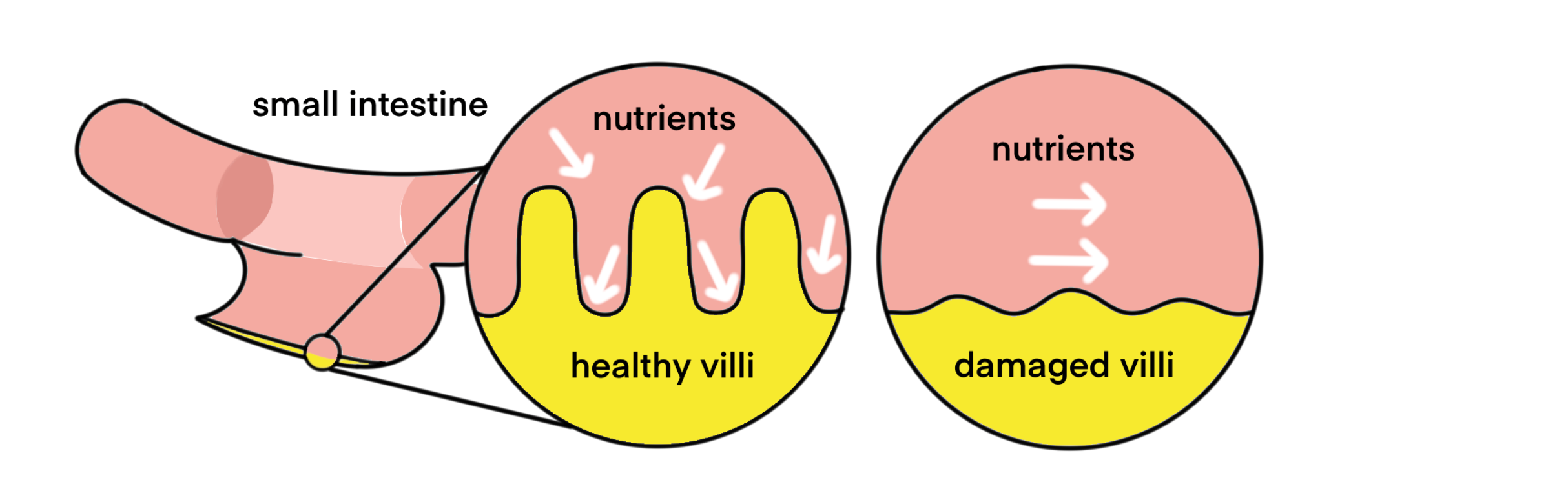
The gluten molecules damage the villi (small finger-like projections in the small intestine) responsible for nutrient absorption.
-
Result: Damaged villi cannot absorb nutrients, leading to malnutrition if gluten is consistently consumed.
Guidelines for People with Coeliac Disease:
-
Exclude gluten-containing foods: Avoid bread, pasta, cakes, biscuits, and other products with wheat, rye, or barley.
-
Be cautious of hidden gluten: Gluten can be found in products such as:
- Fish in breadcrumbs
- Packet soups
- Sauces
-
Gluten-free alternatives: Safe foods include:
- Rice, corn, beans, and potatoes, which naturally do not contain gluten.
- Look for certified gluten-free products:
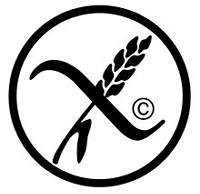
- The Crossed Grain Symbol is an indicator that the product is suitable for people with coeliac disease.
-
The availability of gluten-free options is increasing, making dietary management easier.