Protein (Junior Cert Home Economics): Revision Notes
📚Revision Notes
Protein
Composition of Protein
- Protein is made up of four elements: Carbon (C)
Hydrogen (H)
Oxygen (O)
Nitrogen (N):
- Protein is the only nutrient that contains nitrogen, which is essential for the growth and repair of every cell in the body.
Structure of Protein
-
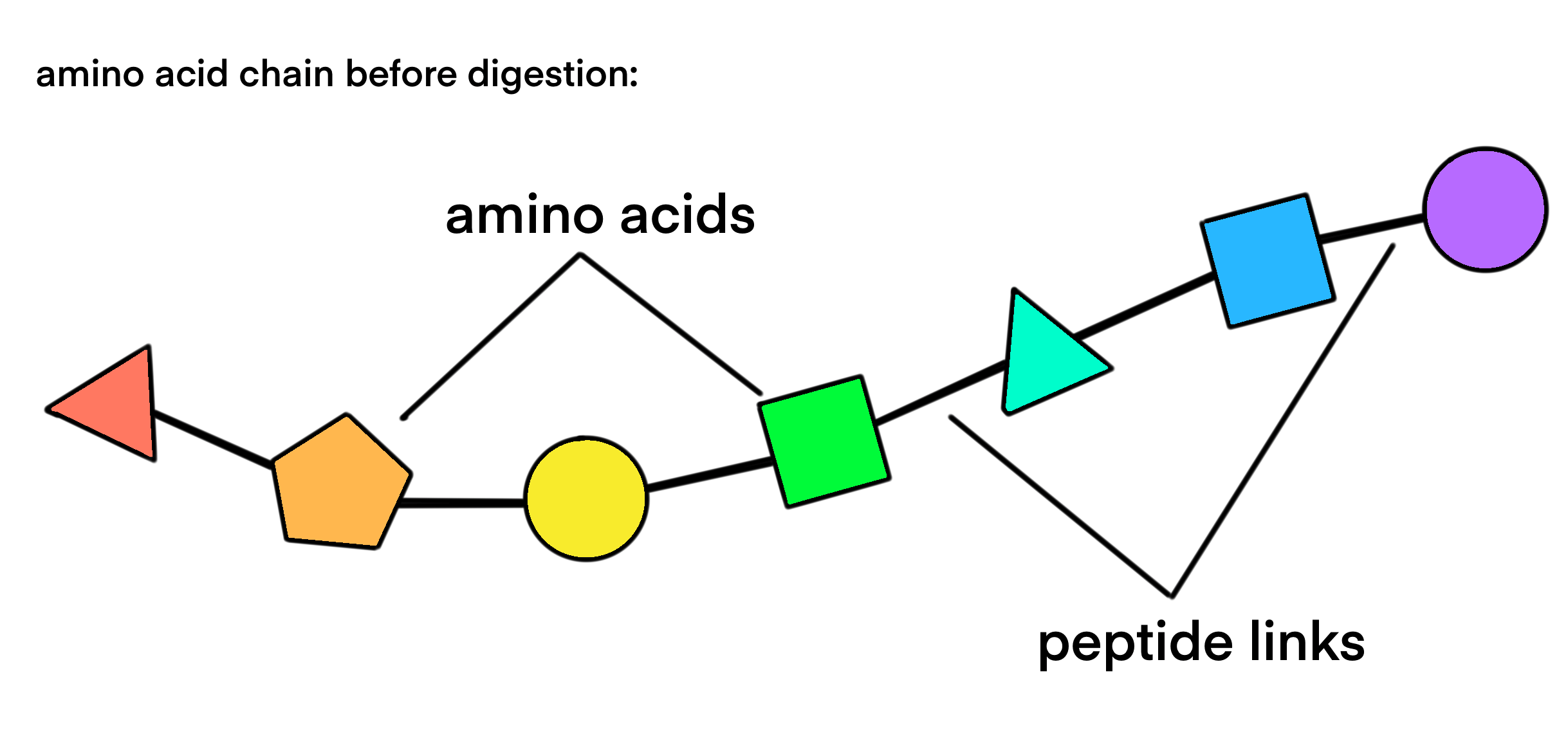
Proteins are composed of chains of smaller units called amino acids, linked together by peptide links.
-
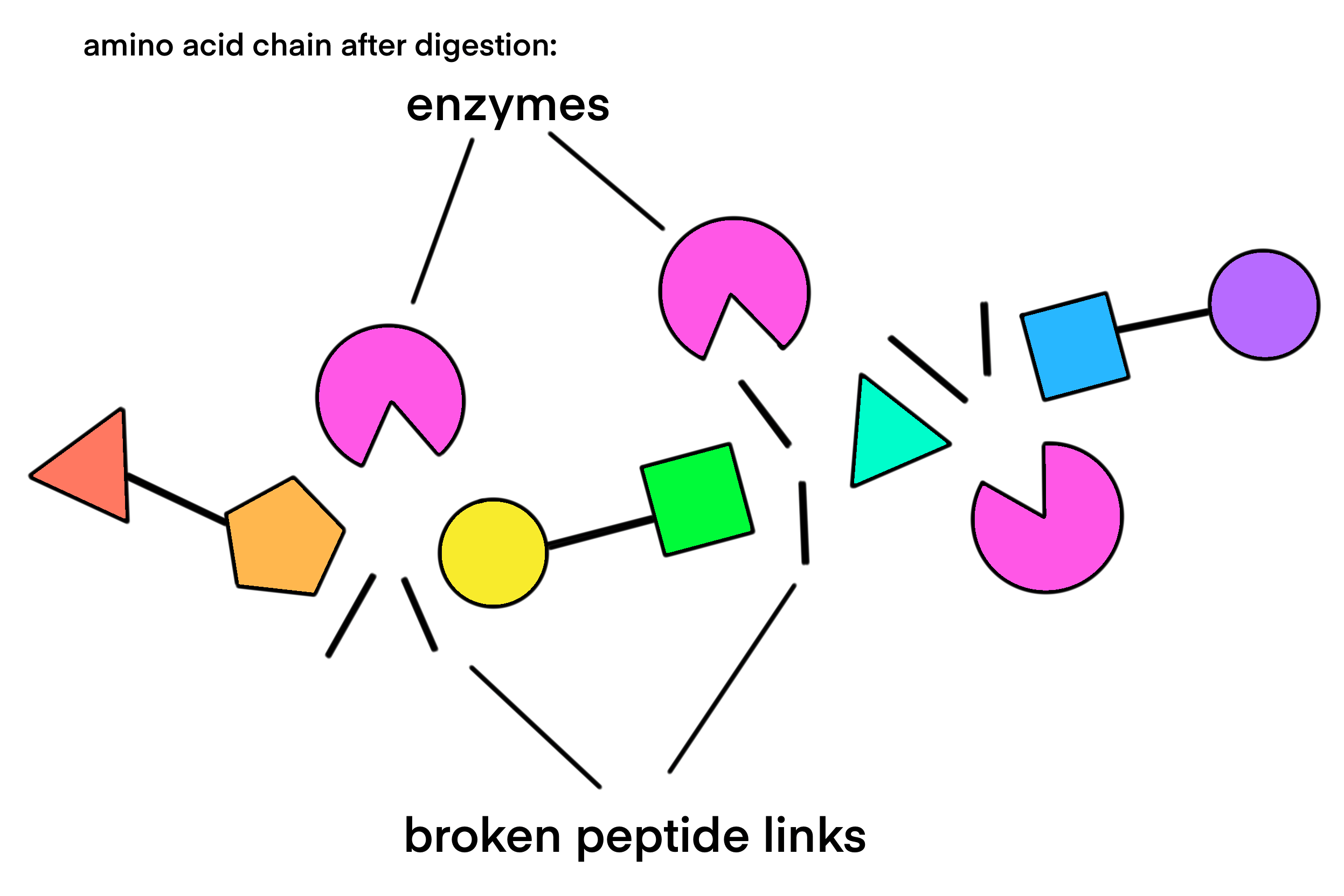
Enzymes break these peptide links during digestion, allowing the body to absorb and use the amino acids.
Classification of Protein
High Biological Value (HBV) Proteins:
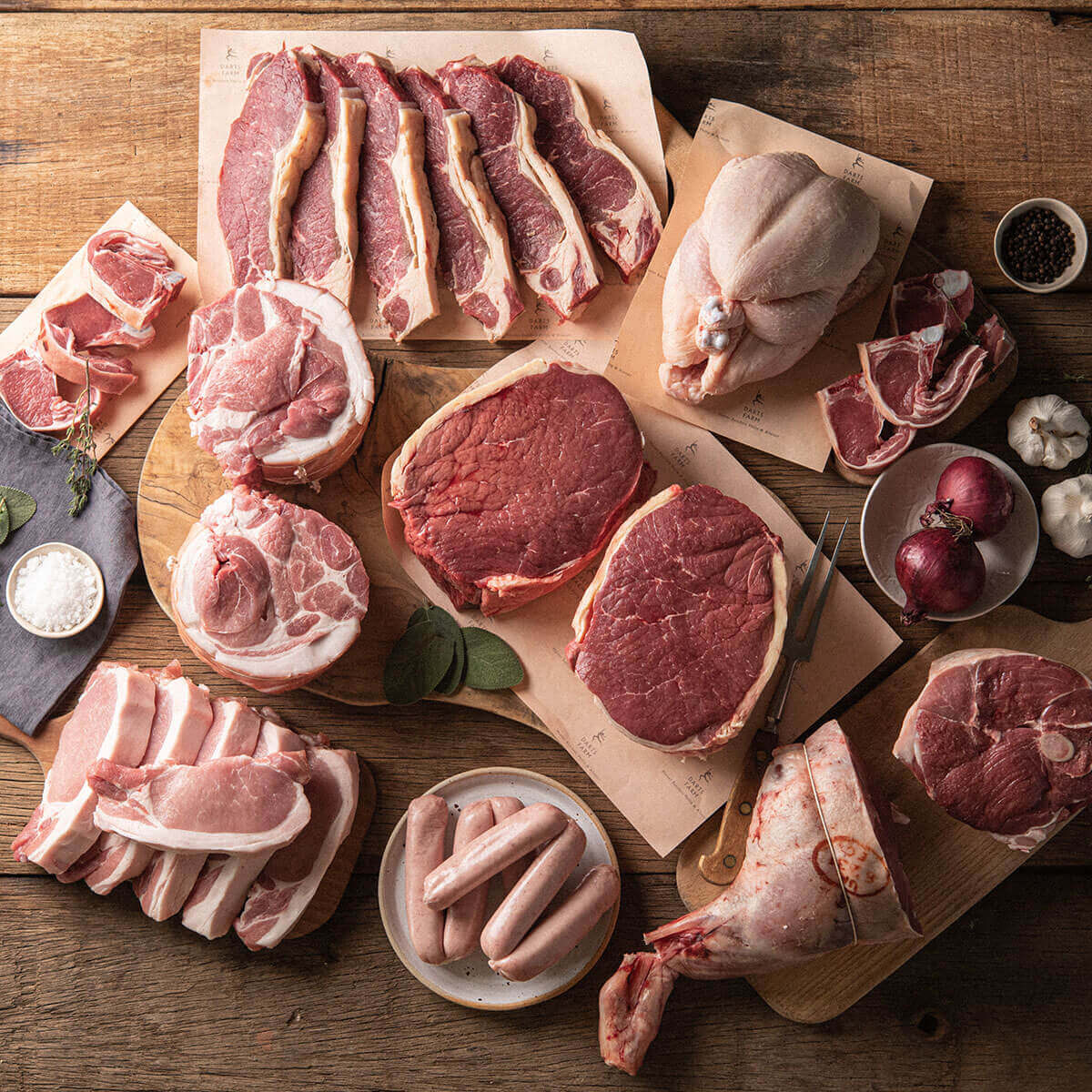
- Contain all the essential amino acids (EAA) the body needs but cannot produce.
- Found in animal sources, such as:
- Meat
- Fish
- Eggs
- Cheese
- Milk
- Yoghurt
- Soya beans
- Meat alternatives (e.g., textured vegetable protein, mycoprotein).
Low Biological Value (LBV) Proteins:
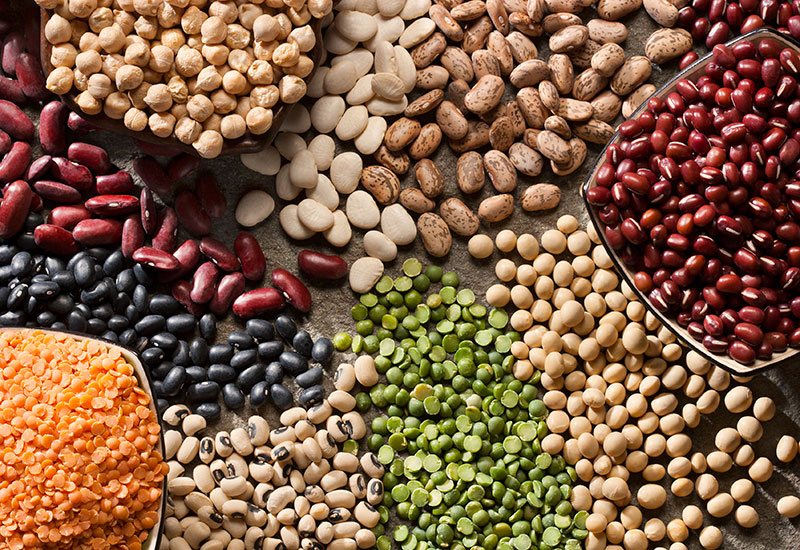
- Lack one or more essential amino acids. Known as non-essential amino acids (NEAA).
- Found in plant sources, such as:
- Peas
- Beans
- Lentils
- Nuts
- Cereals
Reference Intake for Protein
- Adults: Need at least 50 g of protein daily, or 0.75 g per kilogramme of body weight.
- Children and teenagers: Require more protein as they are growing rapidly.
Functions of Protein
- Growth and Repair:
- Necessary for the development and repair of body cells, including skin, blood, tissues, and bones.
- Energy Source:
- Provides 4 kcal (17 kJ) of energy per gramme.
- Production of Substances:
- Supports the creation of enzymes, hormones, and antibodies that help fight diseases.
Protein Deficiency Symptoms
- Poor or stunted growth with muscle wasting.
- Slow healing of wounds.
- Hair breakage and loss.
- Poor general health and immunity.
- Hormonal and enzyme imbalances.
Key Takeaway
Protein is an essential macronutrient that supports growth, repair, and energy production. Consuming a variety of HBV and LBV protein sources ensures your body gets all the amino acids it needs to stay healthy and function optimally. A balanced intake of protein is crucial for people of all ages, especially children, teenagers, and individuals recovering from illness or injury.