The Distribution Policy (Grade 11 NSC Matric Business Studies): Revision Notes
📚Revision Notes
The Distribution Policy
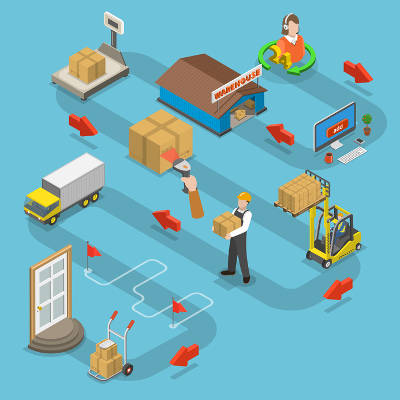
Introduction to distribution
Distribution plays a crucial role in getting products from manufacturers to customers. It represents the place element in the marketing mix, which consists of the four Ps: Product, Price, Place, and Promotion. Understanding distribution helps businesses ensure their products reach the right customers at the right time and place.
Note
The marketing mix consists of four key elements known as the "Four Ps":
- Product - What you're selling
- Price - How much you charge
- Place - Where and how you sell (Distribution)
- Promotion - How you advertise and market
Distribution refers to how businesses deliver their goods and services to customers. Think of it as the journey a product takes from the factory to your hands. Companies must decide whether to sell products directly to customers or use intermediaries (also called middlemen) to help with this process.
Understanding distribution channels
A distribution channel describes the route that products follow as they move from producers to final consumers. This pathway needs to be both effective and cost-efficient to ensure products reach their target market successfully.
Distribution channels consist of various participants who work together to move products along this journey:
- Service providers (the manufacturers or producers)
- Intermediaries (middlemen who help distribute products)
- Customers (the final consumers who purchase products)
Important
The main goal of any distribution channel is ensuring the right product reaches customers at the right time, making it convenient for people to purchase what they need.
Direct versus indirect distribution channels
Direct distribution channels
When businesses use direct distribution, they sell products straight to customers without involving any intermediaries. This creates a simple pathway: Manufacturer → Consumer.
Key features of direct distribution:
- Manufacturers handle all risks themselves
- The production company maintains complete control over products and marketing
- No wholesalers or retailers are involved in the process
- Companies can offer better prices since there are no intermediary costs
- Businesses receive immediate feedback from customers
- Requires specialised, well-trained employees to handle sales directly
- Companies need significant investment in advertising and marketing
Example
Direct Distribution Example: A farmer selling fresh vegetables directly to customers at a weekend market, or a small bakery selling products through their own website and delivering directly to customers' homes.
Indirect distribution channels
Indirect distribution involves using intermediaries to help move products from manufacturers to consumers. This creates longer pathways with multiple steps before products reach final customers.
Key features of indirect distribution:
- Experienced intermediaries handle customer interactions
- Manufacturers can focus on their core business activities
- Transportation and storage are managed by intermediaries
- Companies don't need specialised sales staff
- Businesses benefit from bulk orders through wholesalers
- Better market coverage across wider geographic areas
- Intermediaries understand local market conditions
- Reduces the need for large advertising investments
Types of distribution channels
Manufacturer to consumer
This represents the most basic distribution method where producers sell directly to customers without intermediaries. For example, a farmer might sell fresh produce directly to consumers at their farm or local markets.
Manufacturer to retailer to consumer
In this single-step indirect channel, manufacturers sell products to retailers, who then sell them to final customers. Retailers like Spar, Shoprite, and Pick 'n Pay purchase stock from manufacturers and make these products available to consumers in their stores.
Manufacturer to agent to retailer to consumer
This channel adds an agent between manufacturers and retailers. Agents help manufacturers sell products to retailers, while retailers continue selling to customers. This method is commonly used for specialised products like slimming supplements or dietary products, where agents have expertise in marketing these specific items.
Manufacturer to wholesaler to retailer to consumer
Known as the traditional distribution channel, this method involves wholesalers purchasing large quantities from manufacturers, then selling smaller amounts to retailers. Retailers finally sell individual units to consumers. For instance, wholesalers like Makro buy goods in bulk from manufacturers, then sell them to smaller retailers who serve local customers.
Manufacturer to agent to wholesaler to retailer to consumer
This represents the most complex distribution channel, involving the maximum number of intermediaries. Products move from manufacturers to agents, then to wholesalers, followed by retailers, and finally to consumers. While this creates the longest pathway, it provides extensive market coverage.
Why businesses choose different distribution methods
Advantages of direct distribution
- Complete control: Manufacturers maintain full authority over product marketing and pricing
- Better profit margins: Eliminating intermediaries means no additional mark-ups
- Direct customer relationships: Companies can build stronger connections with their target market
- Immediate feedback: Businesses receive prompt customer responses for improvements
- Global reach: Internet selling allows small businesses to reach international markets
- Flexible promotion: Company websites can serve as both distribution and advertising platforms
- Trained staff benefits: Well-prepared sales teams can effectively promote products and build customer relationships
Advantages of indirect distribution
- Expert handling: Experienced intermediaries manage customer interactions professionally
- Reduced operational burden: Transportation and storage responsibilities transfer to intermediaries
- No specialised staff needed: Companies avoid hiring dedicated sales personnel
- Bulk order benefits: Wholesalers place large orders, improving cash flow
- Extended market reach: Intermediaries help products reach wider geographic areas
- Local market knowledge: Intermediaries understand regional customer preferences
- Reduced advertising costs: Intermediaries often handle promotional activities
- Lower distribution investment: Companies avoid substantial infrastructure investments
Summary
Key Advantages Summary:
- Direct Distribution: Complete control, better profits, direct relationships, immediate feedback
- Indirect Distribution: Expert handling, wider reach, bulk orders, local market knowledge
Understanding intermediaries
Intermediaries are the various people and organisations involved in moving products from producers to consumers. They act as middlemen, serving as negotiators and mediators between manufacturers and customers.
Intermediaries can include wholesalers, retailers, agents, and brokers. They take responsibility for transporting, storing, and delivering goods and services to ensure products reach customers efficiently.
Types of intermediaries
Wholesalers purchase products in large quantities from manufacturers, store them in warehouses, and then sell smaller amounts to retailers. South African examples include Cash and Carry and Makro, which allow retailers to buy stock in quantities suitable for their stores.
Agents work as representatives for manufacturers and wholesalers without taking ownership of products. They create connections between manufacturers and retailers, earning commission on sales. Different types include:
- Buying agents: Have authority to purchase specific goods on behalf of businesses
- Selling agents: Help bring buyers and sellers together, facilitating transactions
- Export/import agents: Ensure smooth international trade processes
Retailers buy goods in large quantities from manufacturers and wholesalers, then sell these products to customers in smaller quantities. Examples include Pick 'n Pay, Edgars, Shoprite, and many other familiar store chains.
Brokers serve as sales intermediaries without taking ownership of products. They facilitate transactions between parties and typically have short-term relationships with customers. Examples include insurance brokers, wool brokers, and stockbrokers.
Sales representatives often work as employees of businesses, acting as sellers or buyers for their companies. Some work as independent contractors, marketing products for multiple businesses.
The role of intermediaries in distribution
Intermediaries provide valuable services that benefit both manufacturers and consumers:
- Finding customers: They locate and connect with potential buyers on behalf of producers
- Product promotion: Intermediaries help advertise and market products to wider audiences
- Specialist expertise: Their selling experience allows producers to reach broader markets
- Increased sales potential: Manufacturers can achieve higher sales volumes through intermediary networks
- Resource efficiency: Producers may lack the expertise or resources for direct selling
- Efficient logistics: Intermediaries can provide more cost-effective distribution systems
- Lower overall costs: Even with commission payments, total distribution costs may be reduced
Note
Additional benefits of indirect distribution:
- Geographic coverage: Consumers spread across large areas make distribution expensive without intermediaries
- Advertising investment: Direct distribution requires substantial marketing investments
- Expert knowledge: Intermediaries possess valuable understanding of distribution processes
- Infrastructure limitations: Many manufacturers lack transport or storage facilities
- Customer service: Intermediaries handle end-user complaints and client relationships
Many businesses use both direct and indirect distribution methods to maximise their market reach and serve different customer segments effectively.
Remember!
Summary
Key Points to Remember:
- Distribution is the "place" element of the marketing mix, focusing on getting products from manufacturers to customers
- Direct distribution means selling straight to customers, while indirect distribution uses intermediaries to help with sales
- Distribution channels can be simple (manufacturer to consumer) or complex (involving agents, wholesalers, and retailers)
- Intermediaries include wholesalers, retailers, agents, and brokers who each play different roles in moving products to market
- Choosing the right distribution method depends on factors like cost, control, market coverage, and available resources