Understanding Production Systems (Grade 11 NSC Matric Business Studies): Revision Notes
📚Revision Notes
Understanding Production Systems
What is the production function?
Note
The production function is a fundamental business process that transforms raw materials into high-quality finished goods that meet customer demands. Think of it as the "how" behind making products - whether it's turning steel into cars, flour into bread, or cotton into clothing.
Every business that produces goods needs an effective production management system to ensure this transformation happens efficiently and successfully. A system is simply an organised arrangement of different parts working together to achieve a specific goal.
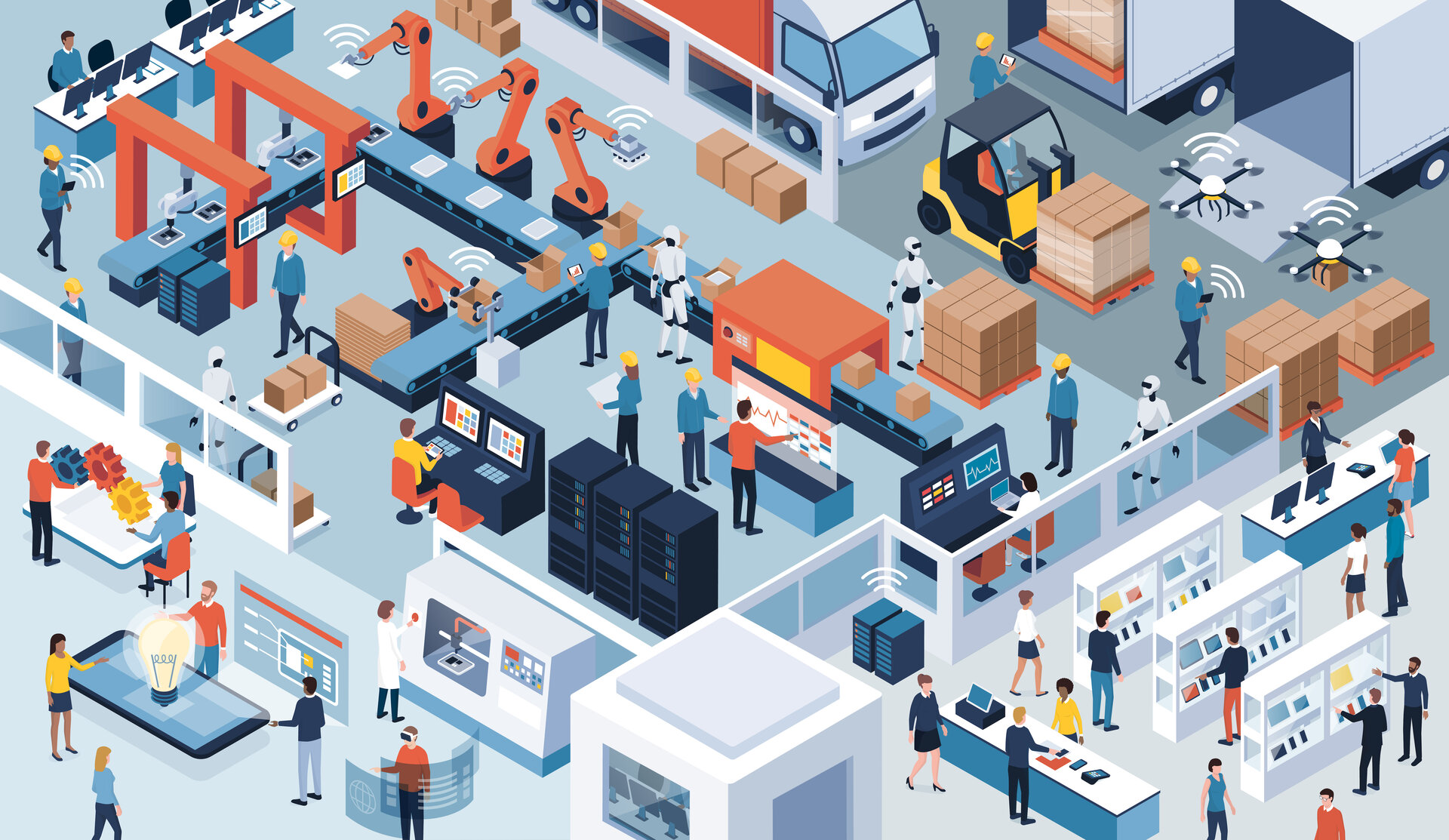
The role of production management systems
When businesses decide on their production approach, they must consider three key factors:
Important
Critical Factors for Production Planning:
- Product variety - How many different types of products will they make?
- Volume of production - How many products need to be produced?
- Machinery and equipment - What tools and technology will be required?
These decisions help determine which production system will work best for their specific business needs and customer requirements.
Types of production systems
There are two main categories of production management systems: continuous production management and interrupted production management. Let's explore each type in detail.
Mass production
Mass production (also called flow production or continuous production) involves producing large quantities of identical, standardised products in a constant, uninterrupted flow.
Characteristics of mass production
Mass production systems have several distinctive features that make them suitable for high-volume manufacturing:
- Large volumes of identical products move continuously through the production system
- Products follow the same standardised process and are completely identical
- Items move along an assembly line or production line from one station to the next
- Each worker specialises in one specific task and becomes highly skilled at that job
- Expensive, highly specialised machinery and equipment are used throughout the process
- The production process operates continuously, often using different shifts to maintain 24-hour operation
Example
Worked Example: Car Manufacturing
Consider how Toyota produces cars using mass production:
- Continuous flow: Thousands of identical car models move along the assembly line daily
- Standardisation: Each Toyota Corolla has the same specifications and features
- Specialisation: Worker A installs wheels, Worker B fits doors, Worker C installs engines
- 24-hour operation: Three shifts ensure production never stops
- Result: Lower cost per car and faster production times
Advantages of mass production
This production method offers significant benefits for businesses producing high volumes:
- Speed and efficiency - The continuous process makes turnaround times much faster
- Lower unit costs - Products become cheaper to make per item, allowing businesses to reduce final prices
- Consistent quality - Standardised products make quality control easier to plan and execute
- Worker expertise - Employees become highly skilled specialists in their specific tasks
- Continuous operation - Production can run non-stop using multiple shifts and operators
Disadvantages of mass production
Important
Common Pitfalls of Mass Production:
- High setup costs - Establishing factories and purchasing specialised machinery requires enormous investment
- Inflexibility - The system cannot easily accommodate unique products or design changes
- Production vulnerability - If one machine breaks down, the entire production line stops
- Worker boredom - Employees may become demotivated by repetitive, monotonous tasks
- Skilled operators required - Specialised equipment often needs highly trained operators who command higher salaries
Batch production
Batch production involves processing products in groups (batches), completing each entire batch from start to finish before beginning the next batch.
Characteristics of batch production
Batch production systems offer more flexibility than mass production while still maintaining efficiency:
- Products are manufactured in batches rather than continuously
- The system allows flexibility to produce different product varieties
- Machinery used is generally less expensive than mass production equipment
- Workers can specialise in specific parts of the process, increasing their productivity
- Batch quantities can be easily adjusted to reduce waste
- New products can be incorporated into the production process relatively easily
- Larger quantities of raw materials and finished goods require storage space
- Time delays may occur while waiting for one batch to complete before starting the next
Example
Worked Example: Bakery Production
A commercial bakery using batch production might operate as follows:
- Monday batch: Produce 500 white bread loaves from 6 AM to 12 PM
- Tuesday batch: Switch to wholemeal bread - 300 loaves using different ingredients
- Wednesday batch: Produce 200 specialty sourdough loaves with unique process
- Flexibility: Can easily adjust quantities based on demand forecasts
- Result: Variety of products with manageable production costs
Advantages of batch production
This production method provides several benefits for medium-scale manufacturing:
- Lower setup costs - Machinery requirements are less expensive compared to mass production systems
- Controlled quantities - Batch sizes can be managed to minimise wastage
- Flexibility - The process can adapt to produce different products relatively easily
- Cost efficiency - Large batches of similar products can be produced economically
- Bulk purchasing - Businesses can take advantage of buying raw materials in large quantities
Disadvantages of batch production
Important
Challenges with Batch Production:
- Quality control challenges - It's not always easy to maintain consistent quality across all products in a batch
- Time wastage - Waiting periods between batches can reduce overall efficiency
- Storage requirements - More space is needed to store both raw materials and finished goods
- Equipment variety - Different machinery may be needed for various products, increasing costs
- Worker motivation - Some employees may become demotivated if they specialise in only one repetitive task
Job production
Job production creates unique, customised products where each order has specific requirements and needs specialised workers with creative skills and varied techniques.
Characteristics of job production
Job production systems are designed for creating one-off, personalised items:
- Each customer provides unique specifications that must be incorporated into the final product
- General-purpose machinery is used that can be adapted for different products
- Product costs are higher because each item is individually customised
- Excellent quality is achieved because products are made to exact customer specifications
- Skilled workers are essential, and labour costs are consequently higher
- The production process takes longer as each item requires individual attention
- Raw materials cannot be purchased in bulk, making them more expensive
Example
Worked Example: Custom Wedding Dress Design
A bridal boutique using job production operates as follows:
- Consultation: Meet with bride to discuss unique design requirements
- Materials: Source specific fabrics, beads, and accessories for this one dress
- Skilled craftwork: Master seamstress spends 40+ hours on intricate details
- Fittings: Multiple appointments to ensure perfect fit for this specific customer
- Final product: One-of-a-kind dress that perfectly matches customer's vision
- Result: Premium price justified by complete personalisation
Advantages of job production
This personalised approach offers distinct benefits:
- Employee satisfaction - Workers enjoy variety as every job presents different challenges
- High demand - Unique products often command strong customer demand
- Quality control - Individual attention ensures consistently high-quality products
- Lower setup costs - Standard machinery can often be used rather than specialised equipment
- Premium pricing - Businesses can charge higher prices for customised products made to specific requirements
Disadvantages of job production
Important
Key Challenges of Job Production:
- High labour costs - Highly skilled workers command premium wages
- Expensive materials - Raw materials cost more because they cannot be purchased in bulk quantities
- Time-intensive - Each product takes considerable time to complete due to individual specifications
- Higher unit costs - The final cost per item is typically much higher than mass or batch production
- Limited automation - The process cannot easily be automated due to the unique nature of each product
Summary
Key Points to Remember:
- The production function transforms raw materials into finished goods - it's the heart of any manufacturing business
- Three main production types exist: mass production (large volumes of identical products), batch production (groups of products), and job production (unique customised items)
- Mass production offers speed and low costs but requires high initial investment and lacks flexibility
- Batch production provides a balance between efficiency and flexibility, suitable for medium-scale operations
- Job production delivers unique, high-quality products but comes with higher costs and longer production times