Malfunctions in Homeostasis (VCE SSCE Biology): Revision Notes
📚Revision Notes
Malfunctions in Homeostasis
Introduction
Homeostasis maintains a stable internal environment through many cells and organs working together to regulate different body systems. When any part of a homeostatic pathway becomes damaged or malfunctions, the entire regulatory system can be disrupted, leading to disease. This note examines two important diseases caused by homeostatic malfunctions: type 1 diabetes and hyperthyroidism.
Type 1 diabetes and hypoglycaemia
What is type 1 diabetes?
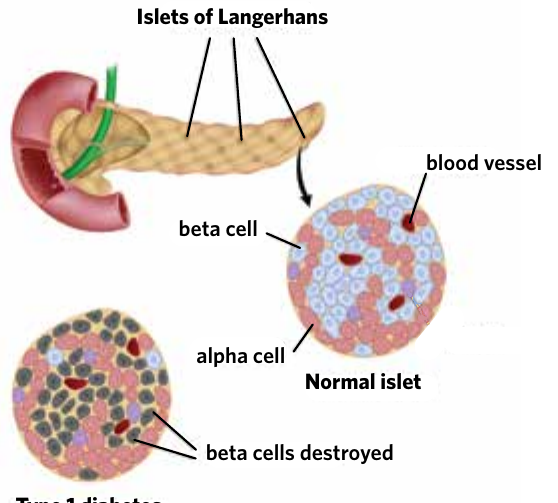
Type 1 diabetes is an autoimmune disease in which beta cells of the pancreas are destroyed, resulting in an inability to regulate blood glucose levels.
In this condition, the body's immune system mistakenly recognises beta cells in the pancreas as foreign cells and attacks them using autoantibodies. Beta cells are cells that occupy the islets of Langerhans and secrete insulin. When these cells are destroyed, people with type 1 diabetes produce very little or no insulin, meaning their blood glucose levels remain unregulated. The neighbouring alpha cells (cells that secrete the hormone glucagon) are also impaired and cannot function properly.
Note
The exact cause of type 1 diabetes is not fully understood. One leading theory suggests that individuals may have an underlying genetic predisposition to developing the condition, and exposure to a viral infection could trigger its development.
Key terms:
- Autoimmune disease: a disease in which an individual's immune system initiates an immune response against their own cells
- Beta cells: cells that occupy the islets of Langerhans and secrete insulin
- Autoantibodies: proteins created by the immune system that destroy an organism's own tissues
- Alpha cells: cells that secrete the hormone glucagon
Type 2 diabetes: a comparison
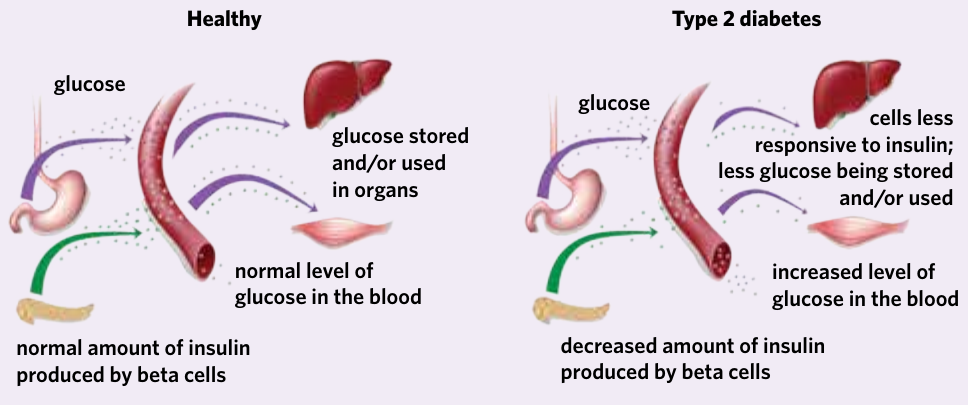
Type 2 diabetes is a different form of diabetes that is also worth understanding. Type 2 diabetes is a disease in which the body becomes resistant to the effects of insulin and/or doesn't produce enough insulin to maintain normal blood glucose levels.
Type 2 diabetes differs from type 1 diabetes in two important ways:
- Beta cells in people with type 2 diabetes don't produce enough insulin to meet the body's demands
- Cells in muscle, liver, and fat tissues become insulin-resistant, meaning they don't respond normally to insulin and fail to absorb glucose from the blood effectively
Note
Whilst type 1 diabetes is an autoimmune disease, type 2 diabetes is thought to result from a combination of lifestyle and genetic factors. It typically develops later in life, usually around middle to older age. People with type 2 diabetes can often control their condition by modifying their diet and exercise levels. If blood sugar levels remain poorly controlled, medication or insulin therapy may be required.
Symptoms of type 1 diabetes
Because people with type 1 diabetes are insulin deficient, they can develop either hyperglycaemia or hypoglycaemia.
Hyperglycaemia
Hyperglycaemia is the state of having blood glucose levels above the normal range (>7.8 mmol/L).
Insulin facilitates the entrance of glucose into cells and promotes glycogen production. When people with type 1 diabetes cannot absorb glucose effectively, they risk developing hyperglycaemia.
Short-term symptoms include:
- Increased urination and excessive thirst: When blood glucose levels are high, glucose can pass through the glomerulus walls and enter the kidney filtrate. This glucose increases the filtrate's osmolality, disrupting the normal osmotic processes that reabsorb water in the nephron. Water remains in the filtrate, producing larger amounts of dilute urine. This causes dehydration and thirst.

- Excessive hunger and lethargy: Cells aren't receiving the glucose they need to function properly, causing tiredness and lethargy. The body attempts to correct this glucose deficit by stimulating hunger sensations.
- Weight loss: Loss of large amounts of water and the inability of cells to grow and function normally due to glucose deficiency leads to weight loss.
Important
Long-term complications of uncontrolled diabetes:
Elevated blood glucose levels in patients with long-term uncontrolled diabetes damage blood vessels, increasing the risk of several serious conditions:
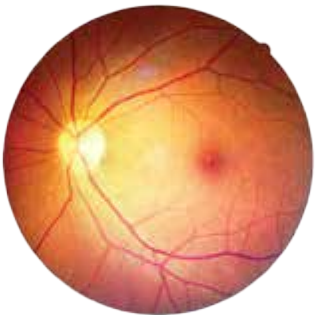
- Vision loss: Tiny blood vessels supplying the eye become damaged and leaky, leading to swelling and reduced blood flow.
- Heart disease and stroke: Blood vessels supplying the heart and brain can become damaged and blocked, depriving cells of oxygen and causing cell death.
- Tingling or numbness in feet and hands: Nerves are sensitive to elevated blood glucose levels and can become damaged.
- Prolonged wound healing: Damaged blood vessels mean injuries and wounds take longer to heal. In severe cases of long-term diabetes, wounds may not heal at all.
- Kidney damage: The small, sensitive blood vessels carrying blood to the kidneys are easily damaged by increased blood glucose levels.
Hypoglycaemia
Hypoglycaemia is the state of having blood glucose levels below the normal range (<4.0 mmol/L).
People with type 1 diabetes can become hypoglycaemic if they inject too much insulin, exercise excessively, or don't consume enough glucose. Additionally, because their alpha cells are impaired, they don't produce normal levels of glucagon. This means they cannot produce normal amounts of glucose through glycogenolysis during fasting periods, causing blood glucose levels to continue falling.
Important
Hypoglycaemia is extremely dangerous. Without sufficient glucose, cells lack the energy to function. This causes individuals to feel weak and dizzy, and can even result in loss of consciousness or death if glucose levels aren't corrected quickly.
Emergency treatment: Quick treatment involves consuming rapidly absorbed sugars, such as jelly beans or fruit juice, to raise blood glucose levels back to normal range.
Management of type 1 diabetes
Managing type 1 diabetes involves returning insulin levels, and therefore blood glucose levels, back to normal and maintaining them within homeostatic set points. The main approach is insulin replacement therapy: the injection of insulin to maintain blood glucose levels within normal limits.
Methods of insulin replacement therapy:
-
Manual insulin injections: Patients measure their blood glucose levels using a finger prick test. If they are hyperglycaemic, they calculate and inject the appropriate amount of artificial insulin to ensure normal glucose regulation.
-
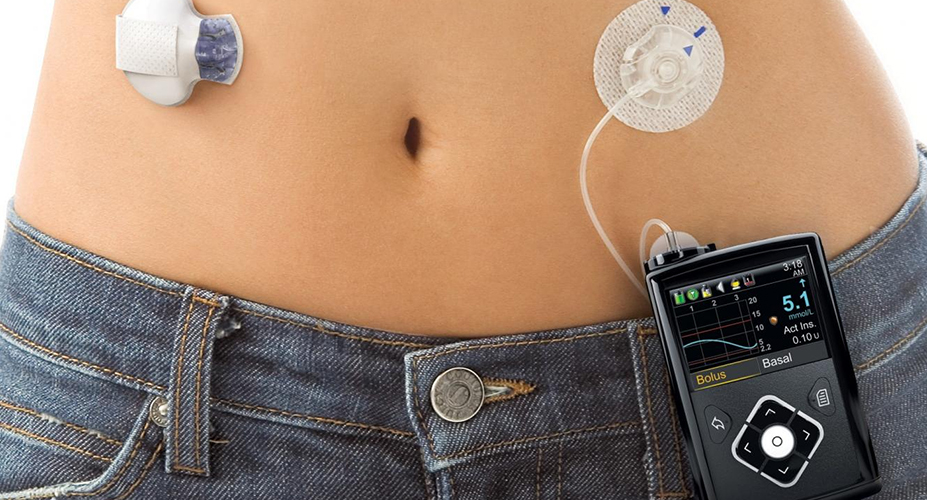
Insulin pumps: A sensor placed under the skin constantly monitors blood glucose levels. When levels rise above normal, the pump automatically injects the appropriate amount of insulin to return blood glucose levels to normal.
Note
Types of artificial insulin:
- Long-acting insulin: Provides consistent glucose uptake by cells over extended periods (typically about 24 hours)
- Short-acting insulin: Begins working quickly after injection, resulting in high amounts of glucose being transported into cells over a shorter period (usually 5-8 hours)
Most people with type 1 diabetes use both short-acting and long-acting insulin to maintain stable blood glucose levels throughout the day.
Hyperthyroidism
The thyroid gland
The thyroid gland is a butterfly-shaped gland in the neck that produces hormones that influence metabolic rate. It is part of the endocrine system: the collection of glands in animals responsible for producing hormones that can be transported in the bloodstream to regulate distant organs/cells.
The thyroid gland secretes two hormones:
- Triiodothyronine (T3): a hormone produced and secreted by the thyroid gland
- Thyroxine (T4): a hormone produced and secreted by the thyroid gland
Both hormones are made from the amino acid tyrosine and iodine. They have wide-ranging effects throughout the body:
| Component of body | Effect of normal level of thyroid hormones |
|---|---|
| Basal metabolism | Promotion of normal heat production and oxygen consumption by cells |
| Nutrient metabolism | Metabolism of glucose, lipids, and proteins |
| Nervous system | Development of the nervous system in a developing foetus, and allows for the normal functioning of the nervous system in adults |
| Cardiovascular system | Regulation of heart rate |
| Respiratory system | Regulation of respiratory rate |
| Musculoskeletal system | Development and function of muscles and bone |
| Gastrointestinal system | Aids in the regulation of muscle coordination and secretion of digestive juices |
| Reproductive system | The functioning of the reproductive system, including the thickening of the endometrium in females |
Note: The endometrium is the lining of the uterus.
Thyroid hormone regulation
Because the thyroid gland plays such a crucial role in many body processes, its function is tightly regulated as part of maintaining homeostasis.
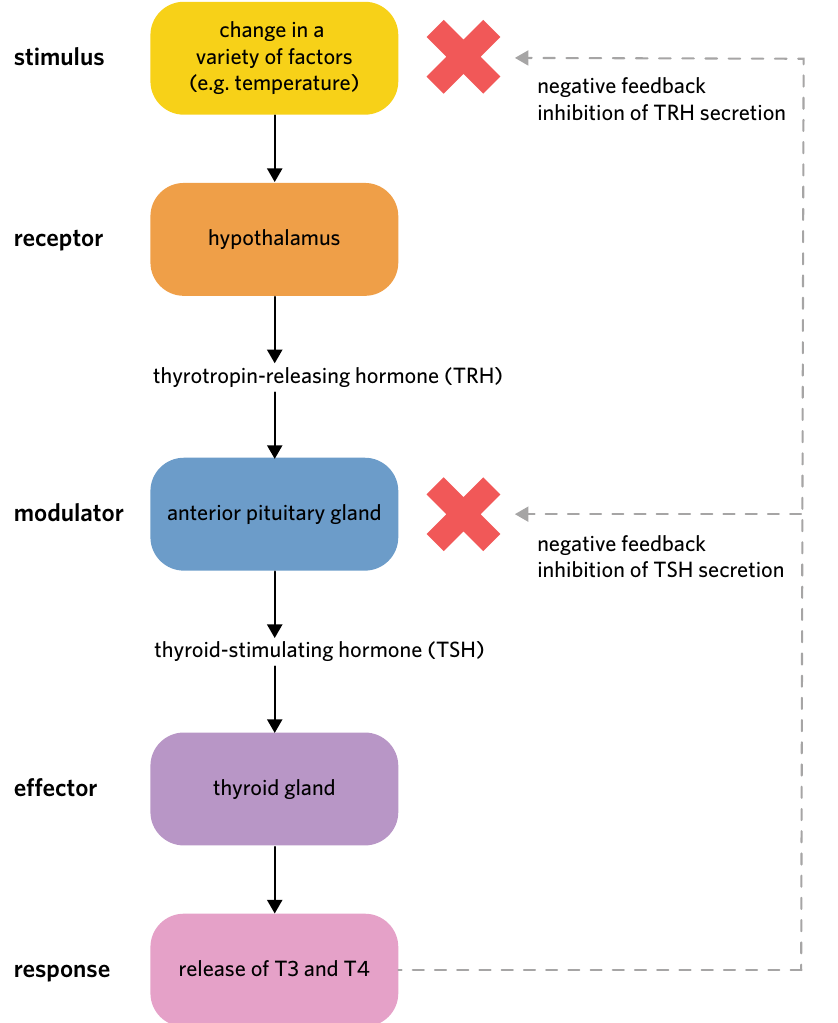
In a healthy individual, the regulation pathway works as follows:
- The hypothalamus periodically releases thyrotropin-releasing hormone (TRH): a hormone released by the hypothalamus that stimulates the anterior pituitary gland
- TRH stimulates the anterior pituitary gland to secrete thyroid-stimulating hormone (TSH): a hormone released by the anterior pituitary gland that stimulates the thyroid gland
- TSH stimulates the thyroid gland to secrete T3 and T4
- Negative feedback loops: T3 and T4 inhibit the secretion of both TRH and TSH through negative feedback mechanisms
- When thyroid hormone levels increase, the hypothalamus and pituitary gland release less TRH and TSH respectively
- When thyroid hormone levels drop, they secrete increased amounts of hormones until desired levels are reached
Note
The hypothalamus responds to various stimuli. For example, when the body detects a decrease in core temperature, the hypothalamus increases TRH release, leading to increased thyroid hormone production that alters the body's metabolism to generate more heat.
What is hyperthyroidism?
Hyperthyroidism is overactivity of the thyroid gland, resulting in increased production and secretion of thyroid hormones.
Individuals are diagnosed with hyperthyroidism through a blood test showing:
- Elevated T3 and T4 levels
- Reduced TSH levels (the increased thyroid hormones inhibit TSH secretion via negative feedback)
Graves' disease
One of the most common causes of hyperthyroidism is Graves' disease: an autoimmune disease that causes hyperthyroidism.
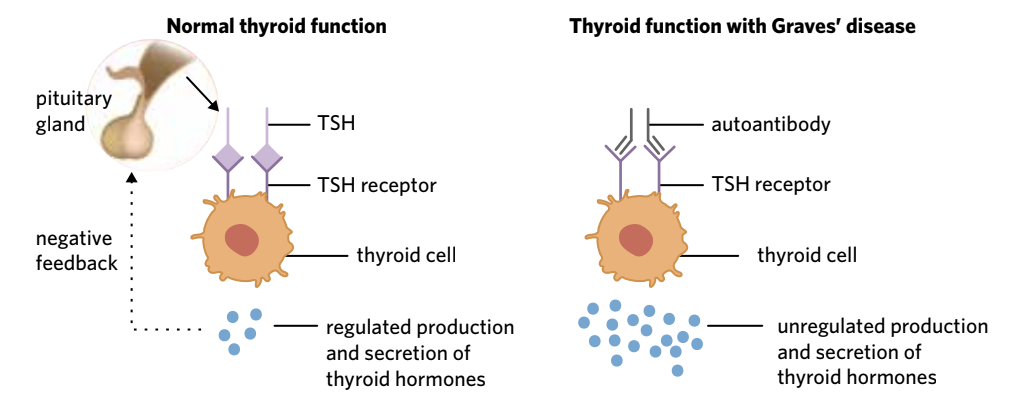
In Graves' disease, the immune system produces an autoantibody called thyroid-stimulating immunoglobulin (TSI): the antibody present in Graves' disease that is responsible for overstimulation of the thyroid gland.
This antibody recognises and binds to TSH receptors on the thyroid, stimulating the thyroid to continuously release T3 and T4. People with Graves' disease therefore have elevated levels of thyroid hormones because their thyroid gland is constantly being stimulated.
Symptoms of hyperthyroidism
Because thyroid hormones influence various cells throughout the body, hyperthyroidism causes many varied symptoms. In general, excess thyroid hormones 'speed up' the body, resulting in:
| Component of body | Effect of elevated level of thyroid hormones |
|---|---|
| Basal metabolism | Increased metabolism, heat intolerance, sweating |
| Nervous system | Anxiety, irritability, difficulty sleeping |
| Cardiovascular system | Increased heart rate, palpitations, increased blood pressure |
| Respiratory system | Increased respiratory rate |
| Musculoskeletal system | Muscle pain, weakness, and atrophy; osteoporosis |
| Gastrointestinal system | Increased gastrointestinal motility, resulting in diarrhoea; vomiting |
| Reproductive system | Lighter menstrual flow and increased duration of menstrual cycle |
Additional symptoms:
-
Goitre: a swelling in the neck caused by an enlarged thyroid gland
-
Exophthalmos: a symptom of Graves' disease in which the eyes of patients bulge out of their sockets
Management of hyperthyroidism
Several approaches exist for managing hyperthyroidism, depending on the cause:
- Beta-blockers: Drugs that counteract the effects of increased hormone levels by reducing heart rate
- Antithyroid drugs: Medications that reduce the production of thyroid hormones
- Radioactive iodine therapy: Iodine is a key ingredient in thyroid hormone production and is absorbed only by thyroid cells. Radioactive iodine kills these cells when absorbed, reducing the amount of thyroid hormone produced and secreted
- Surgical removal: The most radical option involves surgical removal of the thyroid gland
Important
Some treatments for hyperthyroidism can result in hypothyroidism: a condition in which the thyroid gland is underactive, resulting in decreased production and secretion of thyroid hormones. To counter this, patients may need to take artificial thyroid hormones to increase their levels to within normal limits.
Hypothyroidism: the opposite condition
Hypothyroidism occurs when the thyroid produces reduced levels of hormones. This results in 'opposite' symptoms to hyperthyroidism. Where hyperthyroidism 'speeds up' the body, hypothyroidism 'slows down' the body, resulting in:
- Weight gain
- Reduced energy levels
- Feeling cold
- Poor memory and attention
Note
The most common cause of hypothyroidism is iodine deficiency. Since iodine is an important component of thyroid hormones, insufficient iodine consumption causes thyroid hormone levels to drop. To increase dietary iodine intake, many foods such as table salt and bread have iodine added to them.
Remember!
Summary
Key Points to Remember:
-
Type 1 diabetes occurs when the immune system destroys insulin-producing beta cells in the pancreas, preventing normal blood glucose regulation. This is different from type 2 diabetes, which involves insulin resistance and reduced insulin production.
-
Hyperglycaemia (high blood glucose >7.8 mmol/L) can cause increased urination, thirst, hunger, and weight loss in the short term, and serious complications like vision loss, heart disease, and kidney damage in the long term.
-
Hypoglycaemia (low blood glucose <4.0 mmol/L) is dangerous and requires immediate treatment with quick-acting sugars to prevent weakness, dizziness, unconsciousness, or death.
-
Hyperthyroidism results from an overactive thyroid gland producing excess T3 and T4 hormones, commonly caused by Graves' disease (an autoimmune condition). This 'speeds up' body processes, affecting metabolism, heart rate, and multiple organ systems.
-
Understanding the difference between 'hyper' (high/fast) and 'hypo' (low/slow) helps distinguish between hyperglycaemia/hypoglycaemia and hyperthyroidism/hypothyroidism.