Enablers and Barriers to Healthy Eating (VCE SSCE Health and Human Development): Revision Notes
📚Revision Notes
Enablers and Barriers to Healthy Eating
Introduction
Young people's food choices are shaped by many different influences that work together to affect their eating habits and overall health. These influences can be grouped into three main categories: social factors, cultural factors, and political factors. Each of these can either support healthy eating (acting as enablers) or make it more difficult (acting as barriers).
Note
Key terms:
- Social factors - aspects of society and the social environment that impact on health and wellbeing
- Cultural factors - the set of beliefs, moral values, traditions, language and laws held in common by a nation, community or other defined group of people
- Political factors - the decisions and actions taken by government and non-government agencies on issues relating to healthcare, health policies and health funding
- Enablers - factors that support and promote healthy eating behaviours
- Barriers - factors that prevent or discourage healthy eating behaviours
Social factors
Social factors play a significant role in determining what young people eat, as eating is often considered a social activity. The main social factors affecting healthy eating include family, friends, socioeconomic status, and social media.
Family influences
The family unit is where most young people first learn about food and develop their eating habits. Family can act as either an enabler or barrier to healthy eating in several ways.
Family as an enabler:
Families support healthy eating when they:
- Role model positive eating behaviours. A role model is a person whose behaviour can be copied by others, especially by younger people. When parents and caregivers demonstrate healthy eating practices, children are more likely to adopt these same habits.
- Establish regular meal routines, such as always eating breakfast. When this becomes part of a young person's daily routine from an early age, they are more likely to continue this healthy habit.
- Provide nutritious meals at home. Most young people rely on their families for meals, so when healthy options are served, they learn to value good nutrition.
- Choose healthy options when eating out or food shopping, showing young people how to make good choices in different settings.
- Teach cooking skills. When young people learn how to prepare healthy meals quickly and easily, they are better equipped to cook for themselves in the future.

Family as a barrier:
Families can also create barriers to healthy eating when they:
- Consistently model poor eating practices, such as regularly consuming energy-dense foods high in sugar and saturated fats. Young people may copy this behaviour.
- Make unhealthy choices when eating out or shopping, leading young people to do the same.
- Do not include breakfast as part of the daily routine. This often results in young people skipping breakfast and then snacking on unhealthy products later in the day because they are hungry.
- Primarily provide processed, energy-dense foods rather than fresh, nutritious options.
Important
Common Family Barriers to Watch For:
When families consistently fail to establish healthy eating routines, young people often develop poor habits that persist into adulthood. The absence of regular meal times, especially breakfast, is a critical barrier that leads to unhealthy snacking patterns throughout the day.
Friends and peer influence
As young people become more independent and spend more time away from home, their friend group becomes increasingly important in shaping their food choices.
Friends as enablers:
Peer groups can support healthy eating because:
- Friends tend to consume similar foods when together. If one friend is health-conscious, they may positively influence others in the group.
- When eating in social settings like food courts, if some friends choose healthy options, others are more likely to follow.
- Research shows that if friends eat moderate portions, others in the group will also eat less, both in the social setting and when eating alone.
- When ordering meals at restaurants, healthy choices by some group members encourage others to make similar selections.

Friends as barriers:
However, peer groups can also discourage healthy eating when they:
- Promote unrealistic body ideals that lead to skipping meals or eliminating entire food groups, resulting in distorted eating patterns.
- Normalise the consumption of energy-dense processed foods as the standard for the social group.
- Create peer pressure around food choices. For example, if several people in a group order entrées or desserts when eating out, others feel pressured to do the same.
Important
Exam tip: Be prepared to give specific examples of how both family and friends can act as enablers or barriers. Use realistic scenarios that show your understanding of how these influences work in practice.
Socioeconomic status
Socioeconomic status includes three interconnected components: income, education and occupation. All three can significantly impact young people's ability to eat healthily.
Income
Income level can be a major enabler or barrier to healthy food consumption.
Low income as a barrier:
People on low incomes often experience food insecurity, which means they have limited or uncertain availability of nutritionally adequate and safe foods, or limited ability to acquire foods in socially acceptable ways.
Note
Research Findings from Australia's Health 2020:
Studies show that people with low socioeconomic status were:
- Twice as likely to not consume any vegetables
- Less likely to consume two or more fruits per day
This demonstrates the significant impact that income has on nutritional choices and overall dietary quality.
This occurs because:
- Energy-dense processed foods are often less expensive than nutritious fresh food, making them the preferred choice for budget-conscious families.
- Transportation can be a barrier. Young people may be less likely to travel long distances to access healthy foods and become reliant on whatever is available nearby.
- Lower socioeconomic areas often have many takeaway and fast food restaurants but few fresh produce markets, unlike higher socioeconomic areas.
Higher income as an enabler:
People with higher incomes can more easily eat healthily because they:
- Have increased choice and variety of food options
- Are more likely to afford nutritious food products, even when they are expensive
- Can afford a wide selection of fruits and vegetables regardless of season or price
- Can access organic foods, which tend to be more expensive
- Are not limited by cost when making food choices
Education
Education level is strongly linked to healthy eating behaviours and health literacy (the ability to understand and use health information).
Higher education as an enabler:
Education supports healthy eating because:
- People with higher education levels are more likely to choose healthier lifestyles, including greater consumption of fruits and vegetables.
- Education promotes awareness of healthy behaviours, such as the importance of eating a balanced diet, increasing the likelihood of adopting these practices.
- Higher education generally leads to greater income-earning capacity, which in turn provides more resources to spend on nutritious foods.
- Educated individuals better understand nutritional information and can make informed food choices.
Lower education as a barrier:
Limited education can create barriers because:
- People may not understand the importance of consuming a balanced diet.
- They may under-consume or over-consume particular nutrients without realising it.
- Lack of knowledge about specific nutrients means they may miss important dietary components. For example, many young people skip breakfast and consequently under-consume calcium. When young people understand the importance of calcium and know which foods contain it, they are more likely to include these in their daily breakfast routine.
Note
The Calcium Connection:
Many young people who skip breakfast under-consume calcium as a result. However, when they understand why calcium is important and which foods contain it, they are more likely to include calcium-rich foods in their daily breakfast routine. This demonstrates how education directly enables better nutritional choices.
Occupation
A young person's occupation and working conditions can either support or hinder healthy eating.
Occupation as a barrier:
Work can create barriers to healthy eating when:
- Limited time is available outside work for meal planning and food shopping.
- Short meal breaks (e.g., only 15 minutes) force workers to rely on convenient takeaway food, which is likely to be energy-dense.
- Shift work and long hours disrupt normal eating patterns.
- Stressful work environments lead people to choose instant meals, which often contain higher levels of sodium and saturated fats than home-prepared meals.
- Limited kitchen facilities or poor food options in and around the workplace restrict healthy choices.
Occupation as an enabler:
Work can support healthy eating when:
- Flexible working hours allow more time to shop for and prepare nutritious meals at home.
- Workplace location is near a variety of food venues and supermarkets that offer healthy choices, rather than being reliant on a single takeaway café with limited options.
- Adequate meal breaks provide time to eat properly.
- Workplace facilities include kitchen areas for food preparation and storage.
Social media and advertising as sources of nutrition information
Young people increasingly source health information from the internet and social media rather than from health practitioners. However, finding credible nutrition advice online can be challenging.
Social media as a barrier:
Social media can create barriers to healthy eating because:
- The increase in nutrition bloggers and social influencers endorsing food products creates confusion about whether information is opinion or fact, healthy or unhealthy.
- Social influencers may misrepresent the health benefits of foods. For example, they might post pictures of supposedly healthy products like an acai bowl, claiming health benefits, when the serving size is actually too large and the toppings contain high levels of sugar.
- People may believe they are making healthy choices based on this information when they are not.
- Online nutrition content is not overseen by any regulatory agency and is not checked for accuracy, so there is no guarantee the advice is healthy.
- Unqualified individuals can present themselves as nutrition experts without proper credentials.
Important
Identifying Credible Nutrition Information Online:
Young people can use social media to support healthy eating by:
- Learning to identify reputable authors and bloggers
- Searching for links to government or credible organisations
- Following qualified health professionals and dietitians on platforms like Instagram
- Looking for hashtags such as #dietitian, #dietitiansofinstagram and #rdchat that signal the person is qualified to give nutrition advice
- Using the R.E.A.L. strategy when evaluating information from books, magazines or websites
Credible online sources for nutrition information include:
- Better Health Channel (Victorian Government)
- Eat for Health (Australian government)
- Smart Eating for You (Dietitian's Association of Australia)
- Nutrition Australia
Important
Exam tip: Be prepared to explain how young people can identify credible nutrition information online and why this is important for healthy eating.
Cultural factors
Cultural factors significantly influence the food choices of young people. These include religion, ethnicity and gender.
Religion
Religion can play an influential role in determining what foods young people and their families consume. Different religious groups follow particular regulations around food.
Hindu practices:
People following the Hindu religion:
- Tend not to eat beef, as cows are considered sacred
- Often choose to become vegetarian, cutting out meat altogether
This can be an enabler if they include adequate protein and iron supplements in their diet. However, it becomes a barrier to healthy eating if they:
- Fill up on foods higher in saturated and trans fats instead of low-fat meats and fish
- Do not get enough iron, which can lead to anaemia and impact physical health and wellbeing
Islamic practices:
People following Islam:
- Do not eat pork
- Ensure all other meats consumed are halal, which means permissible by Muslim law, particularly in relation to how meat is slaughtered
- During Ramadan, observant Muslims abstain from eating and drinking from dawn to dusk for one month
Note
Ramadan and Health:
Research shows that fasting during Ramadan has no negative impacts on health and wellbeing, except for those with health conditions such as diabetes. This demonstrates how religious practices can be maintained whilst supporting overall health.
Jewish practices:
People following Judaism:
- Do not eat pork
- Ensure all meats consumed are kosher, which describes food satisfying the requirements of Jewish law
- Follow Jewish law that prohibits causing pain to animals, which must be followed in the processing of animal products
These religious practices can act as either enablers or barriers depending on how well individuals maintain nutritional balance whilst following their religious guidelines.
Ethnicity
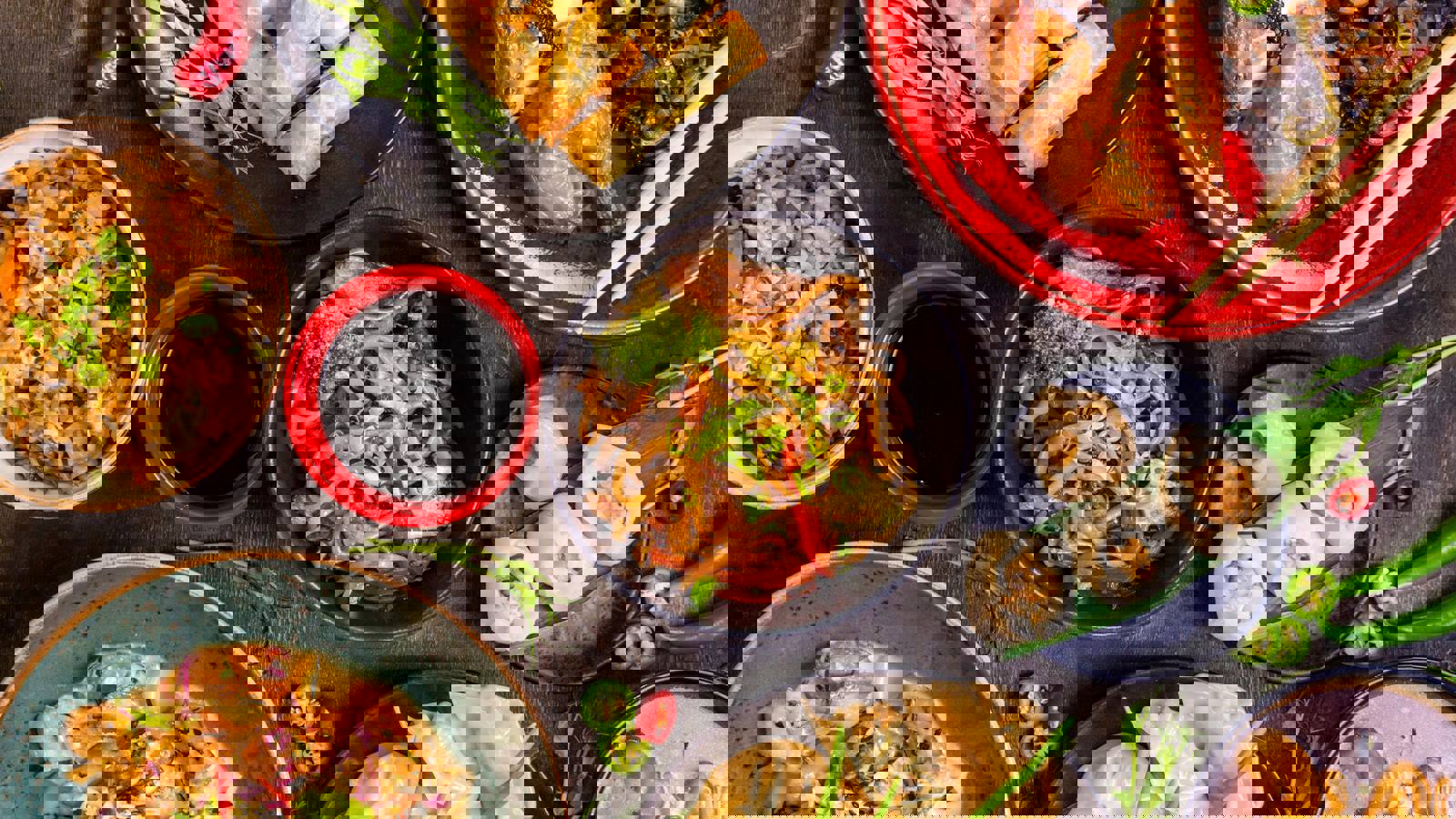
The ethnic group to which a young person belongs has a significant impact on the types of foods they consume. Australia's multicultural society means that school lunchboxes today contain a much wider variety of foods than the traditional Vegemite or ham and salad sandwich.
Different ethnic groups select different traditional foods based on the environment in which they were raised:
- African and Afro-Caribbean groups often consume foods containing various meats, rice and wheat
- Eastern and Far-Eastern groups are more likely to consume foods with large amounts of herbs, spices and vegetables
- Japanese cuisine is generally light, consisting of fish, rice and vegetables, and is considered very healthy, contributing to Japan's high life expectancy
- German traditional dishes might include bratwurst (sausage made of pork, beef or veal) traditionally served with sauerkraut, potato salad or bread rolls
Note
The types of food consumed within different cultures can either enable or act as a barrier to healthy eating, depending on the nutritional content of traditional dishes. Energy-dense traditional foods may act as barriers, whilst cultures with traditional diets rich in vegetables, fish and wholegrains may enable healthy eating.
Gender
Gender plays a role in influencing young people's food selections, with different patterns observed between males and females.
Males and food choices:
Australian males generally:
- Consume fewer fruits and vegetables than females
- Eat a smaller variety of vegetables (particularly men aged 18-44)
- Consume fewer high-fibre foods
- Consume fewer low-fat foods
- Drink more soft drinks than females
Research has identified specific barriers men face when it comes to eating fruits and vegetables:
- Time constraints
- Cost concerns
- Lack of cooking skills
- Lack of understanding of recommended serving sizes
- Food marketing that links masculinity to consumption of animal products (e.g., meat-pie advertisements typically target men, often those in construction fields)
Females and food choices:
Females are generally regarded as:
- Having greater understanding of the importance of healthy eating behaviours
- Being more concerned about the types of foods they consume
- More likely to consider dieting than males
This could be associated with the cultural expectation for females to be thin, which may make them more conscious of their food habits. However, this can also lead to unhealthy behaviours such as excessive dieting or restricting food intake.
Important
Exam tip: When discussing gender as a cultural factor, focus on the societal and cultural influences that shape different eating patterns, not biological differences. Consider how marketing, social expectations and cultural norms affect food choices differently for males and females.
Political factors
Political factors can act as either enablers or barriers to healthy eating among young people. These factors involve government and organisational decisions about food policy, labelling and health promotion.
Food policies and laws
Food policies and laws have a significant impact on many aspects of the food industry in Australia.
Food Standards Australia New Zealand (FSANZ):
FSANZ is responsible for enforcing the food standards code, which sets out rules and regulations for the food industry, including:
- Storage requirements
- Processing standards
- Display regulations
- Packaging requirements
- Transportation rules
- Labelling standards
- Disposal procedures
Mandatory fortification:
FSANZ enforces food laws such as mandatory fortification of foods to improve health outcomes. For example:
- Australian millers are required to add folic acid (a form of the B-vitamin folate) to wheat flour used for bread-making
- Folate occurs naturally in foods such as green leafy vegetables and is necessary for healthy growth and development
- This fortification helps ensure the population receives adequate amounts of this important nutrient
Note
How Mandatory Fortification Works:
Mandatory fortification acts as an enabler for public health by ensuring that commonly consumed foods contain essential nutrients. This policy helps prevent nutritional deficiencies across the population, particularly among groups who may not consume adequate amounts of certain nutrients naturally.
Price and taxation policies:
Government tax policies affect the affordability of different foods:
Fresh food and GST (enabler):
- Fresh fruit and vegetables are currently exempt from the GST (Goods and Services Tax)
- This provides an incentive to buy them rather than less-healthy processed foods
- This policy encourages healthy food choices
Important
The GST Exemption Debate:
However, some government ministers have called for GST to be added to fresh foods, which could:
- Increase the price of nutritious foods
- Decrease the nutritional quality of food choices
- Lead to an estimated increase of 90,000 cases of heart disease, stroke and cancer each year
- Increase healthcare costs by around $1 billion
- Create a significant barrier to healthy eating, particularly given that 99% of Australian children and 96% of Australian adults already fail to consume the recommended serves of vegetables daily
Sugar tax debate:
Some groups in Australia argue for a tax on sugary drinks to:
- Decrease consumption by making them less affordable
- Reduce rising rates of obesity
- Similar taxes have been implemented in countries such as France, the UK and some US states
Note
International Evidence for Sugar Tax:
Evidence from other countries shows promise:
- In Mexico, the poorest communities consumed almost 20% fewer sugary drinks within two years of implementing a sugar tax
- In Philadelphia, income from the tax was used to subsidise physical activity programmes for children and childcare for families
Arguments against a sugar tax suggest it would negatively impact farmers and hit the poorest households hardest. However, research shows:
- The poorest households generally consume the highest amounts of sugary drinks
- They suffer from the greatest burden of costly diet-related diseases like diabetes and heart disease
- Therefore, they have the most to gain from reduced consumption
Important
Exam tip: Be able to discuss both sides of the sugar tax debate, explaining how it could act as both an enabler (by reducing consumption of unhealthy drinks) and potentially a barrier (through cost concerns). Use evidence from other countries to support your points.
Food labelling
Food labelling laws determine what consumers know about the products they purchase, which influences food choices and dietary patterns.
Required labelling information:
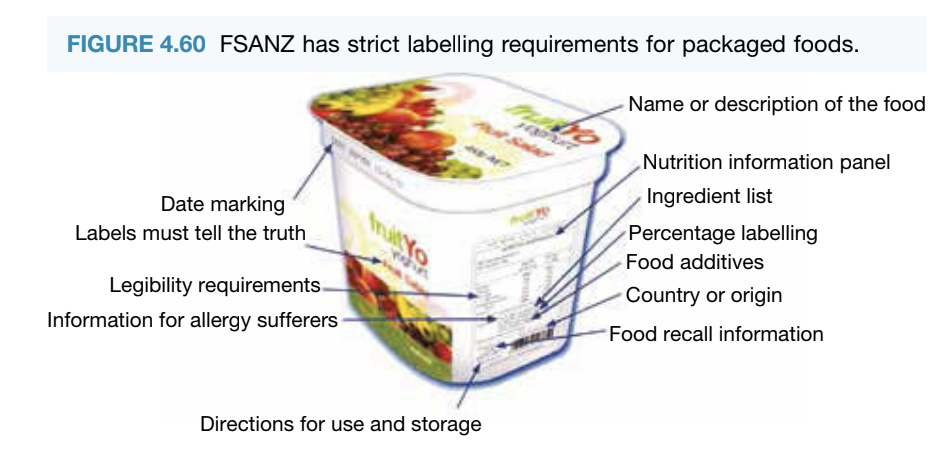
According to FSANZ, all packaged food must have a label that includes:
- Name or description of the food
- Nutrition information panel
- Ingredient list
- Percentage labelling
- Food additives
- Country of origin
- Food recall information
- Directions for use and storage
- Date marking
- Information for allergy sufferers
- Legibility requirements
- Labels must tell the truth
Food labelling as an enabler:
When labels are clear and easy to understand, they can enable healthy food choices by:
- Helping consumers compare similar products
- Allowing people to identify products high in added salt, sugar, saturated fats or trans fats
- Supporting informed decision-making about food purchases
- The Health Star Rating System (a federal government programme) assists people when shopping by providing a simple rating of nutritional quality
Food labelling as a barrier:
Food labelling can also act as a barrier because:
- Labels can be confusing for young people who are unfamiliar with reading and comprehending nutritional information
- Complex information may discourage people from using labels to make healthy choices
- Unclear or misleading labelling can lead to poor food choices
Important
Exam tip: Be able to explain the main components of food labels and how they can help consumers make healthier choices. Consider both the benefits of food labelling and the challenges young people face in understanding label information.
Health promotion
Government-funded health promotion activities can enable improvements in youth diets through education and awareness campaigns.
Australian Dietary Guidelines and Australian Guide to Healthy Eating:
These two government publications are:
- Recommended for use in nutrition education within schools and other community settings
- Designed to reflect Australians' behaviour in relation to food
- Specific about limiting sports drinks, energy drinks and high-sugar drinks, as consumption has increased in recent years, particularly among young people
However, the guidelines can also act as a barrier because:
- They outline daily portion sizes for each food group, but this can be quite complicated for everyday shoppers to follow
- Complex guidelines may discourage people from following them correctly
LiveLighter campaign:
The Victorian and Western Australian state governments' LiveLighter campaign provides:
- Comprehensive, easy-to-use online resources and tools
- A 12-week meal and activity planner
- Healthy recipes
- An 'Am I at risk?' assessment tool
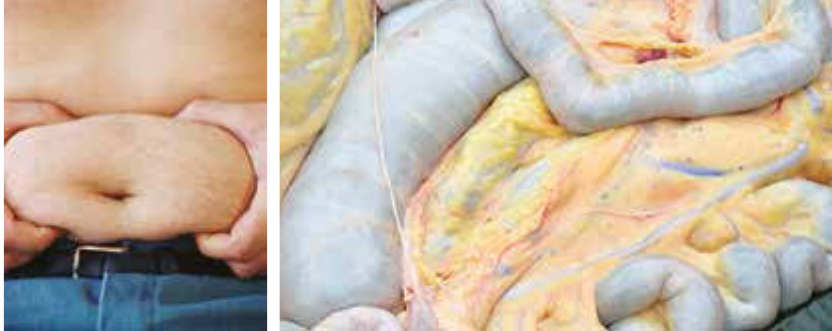
The campaign gained significant attention through shock advertisements in 2015 showing the effects of toxic fat on the body. The focus was on sugary drinks, when the average soft drink consumer was drinking the equivalent of one can per day.
Note
Effectiveness of the LiveLighter campaign:
A study on the campaign's effectiveness found:
- The proportion of Victorians consuming four or more cups of sugary drinks per week declined from 31% before the campaign to 22% at the end
- Participants had increased knowledge of the link between toxic fat and sugary drinks
- The campaign successfully acted as an enabler for healthier beverage choices
Example
Case Study: Emotional Eating During COVID-19
Research during the COVID-19 pandemic highlighted how stress and financial hardship can lead to emotional eating as a coping mechanism.
Key findings included:
- People in lower socioeconomic circumstances were more distressed and more likely to turn to emotional eating
- Emotional eating was associated with increased body weight
- Poverty is associated with psychological distress, including higher rates of depression and lower mental wellbeing
Positive coping strategies:
- Creating healthy routines and using mindfulness techniques can help manage emotional eating
- Baking and cooking can have psychosocial benefits including boosts in socialisation, self-esteem, quality of life and mood
Example
Case Study: Childhood Obesity in Australia
A 2019 study highlighted the growing problem of childhood obesity:
The problem:
- More than one in four Australian children are affected by overweight or obesity
- This condition disproportionately affects Indigenous children, rural and remote children, and children from poorer communities
- By 2013, nearly one in three Aboriginal and Torres Strait Islander Australian children and adolescents were affected
- The condition is largely preventable with appropriate policies and interventions
International examples of successful policies:
- England: Banning junk food advertising on London transport and implementing strict rules on children's TV
- Chile: Banning cartoon characters on junk foods and implementing clear front-of-pack labels, which cut the likelihood of choosing sugary breakfast cereals by 11% and sugary juices by almost 24%
- Ecuador: Clear 'traffic light' labels indicating sugar, salt and fat content
Australia's current situation:
- Australia currently allows some of the highest levels of junk food advertising during children's TV programming in the world, with 44% of food advertisements seen by children being for unhealthy foods
Important
Investment in Prevention:
Australia's government currently spends:
- Less than $0.02 of every health dollar on prevention each year
- This equates to $89 per person, considerably less than Canada or New Zealand
- Meanwhile, the economic burden of treating obesity-related diseases is estimated to rise from $12 billion in 2014 to $21 billion in 2025
- For every dollar spent on prevention, we will soon be losing $10 due to lack of action on obesity
This demonstrates a critical barrier to healthy eating at the political level - insufficient investment in prevention programmes.
Important
Exam tip: Use case study information to support your answers about how political factors can enable or create barriers to healthy eating. Be able to compare Australia's approaches with international examples and discuss the effectiveness of different strategies.
Remember!
Summary
Key Points to Remember:
-
Social, cultural and political factors all interact to either enable or create barriers to healthy eating among young people.
-
Family and friends are powerful social influences that can model both healthy and unhealthy eating behaviours. Positive role modelling and supportive peer groups enable healthy eating, whilst poor examples and negative peer pressure create barriers.
-
Socioeconomic status significantly affects food choices. Higher income, education and flexible employment enable access to healthy foods and nutrition knowledge, whilst low income, limited education and demanding work conditions create barriers through food insecurity, lack of knowledge and time constraints.
-
Cultural factors including religion, ethnicity and gender shape food preferences and eating patterns. These can enable healthy eating when traditional diets are nutritious and cultural practices support balanced nutrition, or create barriers when cultural norms promote unhealthy choices or unrealistic body ideals.
-
Political factors such as food policies, labelling requirements and health promotion campaigns can enable healthy eating through clear information, supportive regulations and educational programmes. However, they can also create barriers when policies are complex, inadequate or favour unhealthy food industries.