Nutrients Required During Youth Including Carbohydrates, Protein, and Fats (VCE SSCE Health and Human Development): Revision Notes
📚Revision Notes
Nutrients Required During Youth Including Carbohydrates, Protein, and Fats
Understanding nutrients and macronutrients
Nutrients are essential substances that provide nourishment for maintaining life and supporting growth. During digestion, food is broken down to release these nutrients, which the body then uses for various functions related to health and wellbeing. These functions include ensuring body systems work efficiently and helping prevent diet-related diseases.
Different foods contain varying amounts and types of nutrients. To maintain a balanced diet, it's important to eat a wide variety of foods.
Note
The six main nutrient categories required for optimal health and wellbeing are:
- Carbohydrates (including fibre)
- Protein
- Fats
- Vitamins (such as vitamin D and B-group vitamins)
- Minerals (such as calcium, sodium and iron)
- Water

Macronutrients are nutrients that the body requires in large amounts. These include carbohydrates, protein and fats. In contrast, micronutrients (vitamins and minerals) are only needed in very small quantities. Despite differences in the amounts required, each nutrient plays a distinct and important role in health and wellbeing.
Carbohydrates, fats and proteins all contain substantial amounts of kilojoules (kJ), which can be converted into energy for the body to use. However, carbohydrates are the body's preferred energy source.
Energy contribution of macronutrients
Important
Each macronutrient provides a different amount of energy per gram:
- Carbohydrates: 16 kJ per gram
- Protein: 17 kJ per gram
- Fats: 37 kJ per gram
Notice that fats provide more than twice the energy of carbohydrates or protein, making them the most energy-dense macronutrient.
Key term: A kilojoule (kJ) is a unit for measuring energy intake or expenditure.
Carbohydrates
Function of carbohydrates
The primary role of carbohydrates is to provide fuel for the body. Young people are growing rapidly, which means they require substantial amounts of energy for metabolism and growth. Since glucose is the body's preferred fuel and carbohydrates are rich in glucose, carbohydrates should provide the majority of a young person's energy requirements.
Note
Metabolism refers to the collection of chemical reactions that occur in the body's cells, converting fuel from food into energy. During youth, metabolic rates are particularly high due to rapid growth and development.
When carbohydrates are consumed, they are broken down and glucose molecules are absorbed into the bloodstream. Body cells then take these molecules from the blood and store them for use. One gram of carbohydrate produces approximately 16 kJ of energy.
Important
When glucose is not immediately used by the body, it is converted to fatty acids and stored as adipose (fat) tissue. This means that consuming too many carbohydrates can lead to weight gain due to increased glucose being converted to fat. This process can be reversed when the body needs energy.
Food sources of carbohydrates
Most carbohydrates come from foods of plant origin, which are the body's preferred energy source. Carbohydrates are also found in sugar and foods with added sugar, such as sports drinks, soft drinks and lollies. However, these foods contain fewer nutrients despite contributing large amounts of energy, so they are not considered good carbohydrate sources.
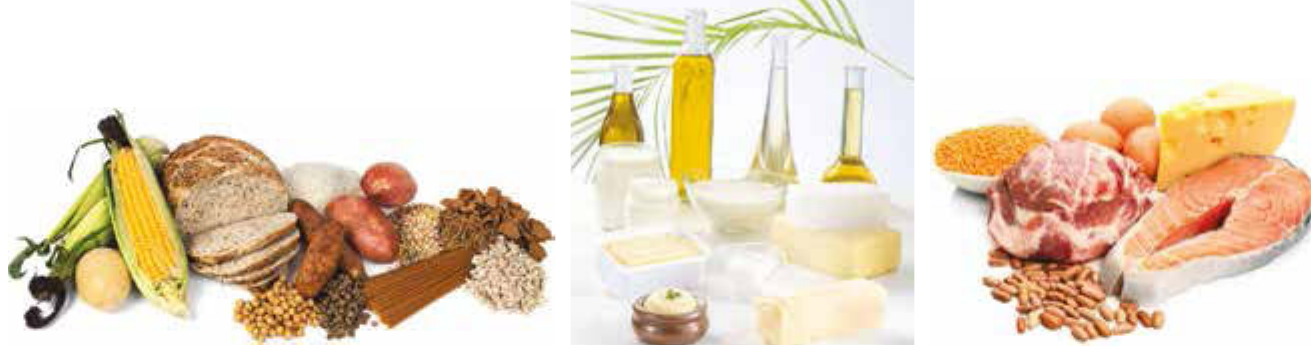
Major food sources of carbohydrates include:
- Vegetables
- Rice
- Bread
- Pasta
- Cereals
- Fruits (such as oranges, grapes and bananas)

Fibre
Function of fibre
Fibre is a type of carbohydrate that is essential for optimal health and wellbeing in young people. Found in all plant-based foods, fibre is not absorbed by the body. Instead, it travels through the digestive system, acting like a cleaner as it moves through.
The benefits of dietary fibre are numerous:
Provides a feeling of fullness: Fibre slows glucose absorption from the small intestine into the blood, creating a feeling of fullness (satiety). This decreases consumption of surplus energy from discretionary foods. Both characteristics help with weight maintenance.
Note
Discretionary foods are foods and drinks that aren't necessary to provide required nutrients, but may add variety. Many are high in kilojoules and are therefore energy dense.
Reduces cholesterol levels: Fibre reduces the amount of cholesterol the body absorbs, which lowers the risk of cardiovascular disease later in life.
Absorbs water: Fibre absorbs water, adding bulk to faeces and helping remove waste products, which assists in preventing colorectal cancer.
Prevents constipation: Fibre helps move waste through the digestive system. Combined with water absorption, this regulates bowel movements and decreases constipation risk.
Food sources of fibre
Food sources of fibre include:
- Bran
- Wholemeal bread
- Grains and seeds
- Fruit and vegetables, preferably raw or with skins on (excellent sources include raspberries, apples, bananas, oranges, potatoes, broccoli and corn)
Protein
Function of protein
Protein has two main functions in the body. Its primary function (and probably most important for youth development) is to build, maintain and repair body cells. Protein's second function is to act as fuel for energy production.
If insufficient glucose (from carbohydrates) is available for energy production, protein can serve as a secondary energy source. During starvation, muscle and other body cells may be broken down so the protein within them can be used for energy. Protein yields approximately 17 kJ per gram when used for energy.
Important
When eaten in excess, energy from protein may be stored as adipose (fat) tissue and can contribute to long-term obesity.
Understanding amino acids
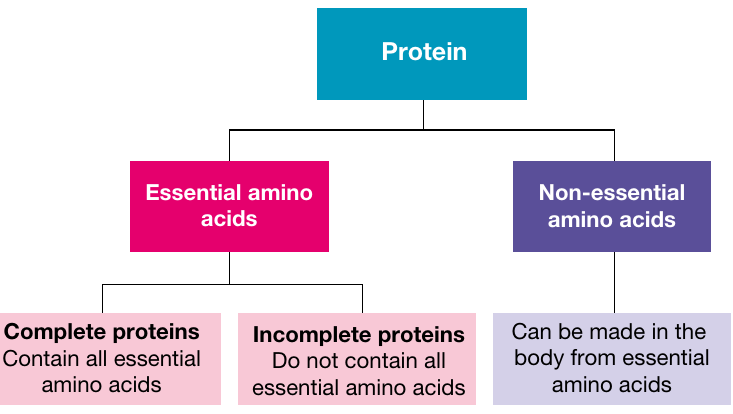
Protein is made up of smaller building blocks called amino acids. There are 20 different types of amino acids that humans need to function properly.
- Non-essential amino acids: Eleven amino acids that can be synthesised (made) in the body from other amino acids
- Essential amino acids: Nine amino acids that cannot be synthesised in the body and must be consumed through food
To ensure all amino acids are consumed regularly, protein should be eaten from a range of different sources. Many people obtain much of their protein from meat, which is often rich in essential amino acids.
Note
For vegetarians: Vegetarians must ensure they consume a large variety of non-meat protein sources to meet their nutritional needs. These foods include nuts, beans, lentils and tofu. By combining different plant-based proteins, vegetarians can obtain all essential amino acids.
Complete and incomplete proteins
Some food sources are termed complete proteins because they contain all essential amino acids in the quantities required for growth, repair and replacement of body cells. These are usually found in large amounts in animal products.
Some proteins are also found in many plant-based foods. These are usually incomplete proteins and need to be eaten with other protein sources to ensure all required amino acids are consumed.
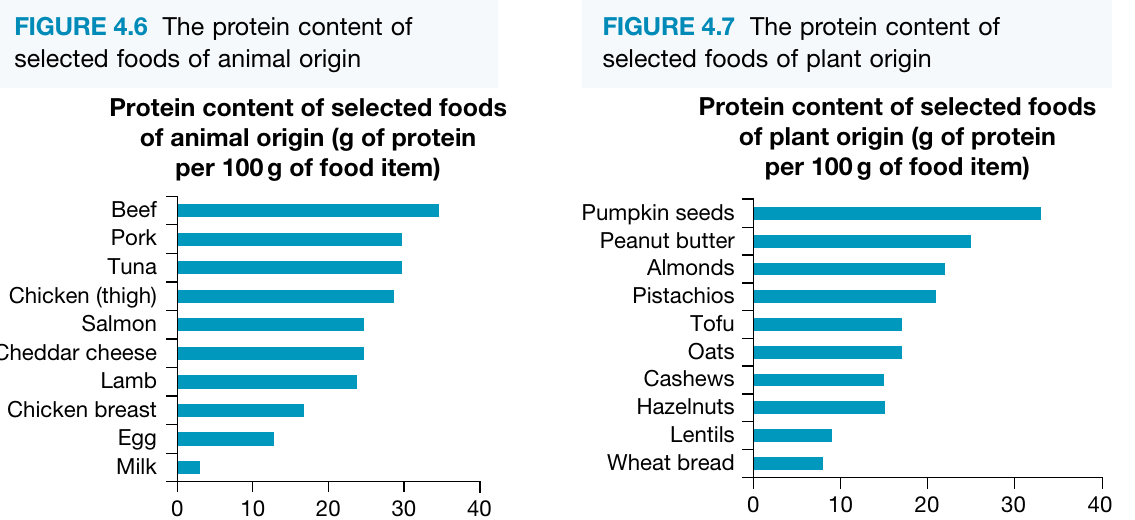
Food sources of protein
Rich animal sources of protein include:
- Eggs
- Milk, cheese and other dairy products (except cream)
- Beef
- Chicken and other poultry
- Fish and seafood
Rich plant sources of protein include:
- Soy products (tofu and soy milk)
- Legumes
- Nuts
- Wholegrain cereals
- Brown rice
Fats
Fats (sometimes referred to as lipids) play numerous roles in health and wellbeing. Although often associated with negative effects, fats are required for adequate health and development throughout the lifespan and are an essential part of balanced food intake.
Function of fats
Like carbohydrates, the main function of fats is to act as fuel for energy. Fats are a richer energy source than carbohydrates and protein, yielding approximately 37 kJ per gram. This is why foods packed with fat but little else are referred to as 'energy dense' foods. The amount of fat to include in the diet should be determined by individual energy requirements. Balance is key, remembering that most energy should come from carbohydrates.
Fats are also required for developing and maintaining cell membranes. Cell membranes form an important component of body cells, responsible for maintaining cell structure and allowing the transport of nutrients, gases and waste into and out of cells.
Note
Cell membrane refers to the outer layer of a cell that provides structural support and allows nutrients, gases and waste to move in and out of the cell.
Although all fats are a concentrated energy source and are required for cell membrane development, not all fats are the same. Some types of fats have a positive impact on health and wellbeing, whilst others can contribute to negative health outcomes.
Classification of fats
Important
Fats can be classified into four broad categories based on their chemical makeup: monounsaturated, polyunsaturated, saturated and trans fats.
Total fat intake should account for around 25 per cent of total energy requirements (with carbohydrates and protein making up the other 75 per cent). Of this 25 per cent, the majority should come from monounsaturated fats.
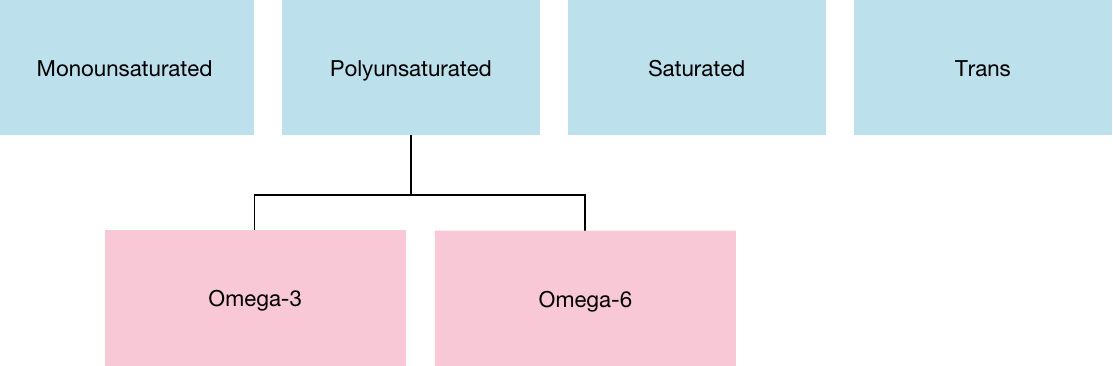
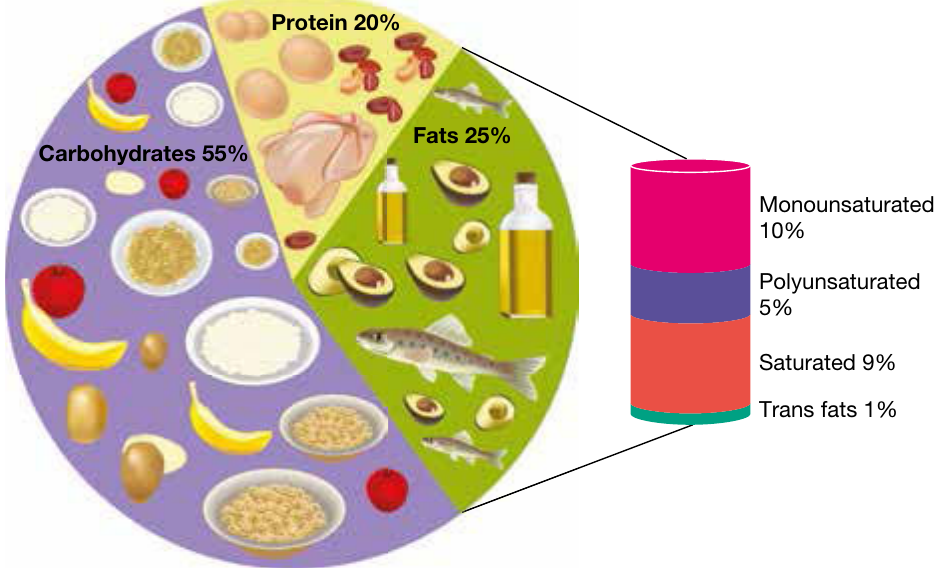
Monounsaturated and polyunsaturated fats (the 'good fats')
Monounsaturated and polyunsaturated fats are considered the 'good fats'. They carry out necessary fat functions and also provide health and wellbeing benefits, such as reducing cholesterol levels, supporting brain function and promoting heart and blood vessel health. The greatest health gains for youth can be achieved by replacing saturated and trans fats with monounsaturated and polyunsaturated fats, which helps reduce the risk of diet-related diseases like cardiovascular disease later in life.
Note
Cholesterol is a type of fat required for optimal body functioning. In excess, it can lead to health concerns including blocked arteries (atherosclerosis). It can be 'bad' low-density lipoprotein (LDL) or 'good' high-density lipoprotein (HDL).
Monounsaturated fats are liquid at room temperature and begin to solidify when refrigerated. They are considered one of the healthier fat types because they help lower low-density lipoproteins (LDL, the 'bad cholesterol') and therefore decrease the risk of atherosclerosis (fatty material deposited on artery inner walls) and cardiovascular disease.
Foods rich in monounsaturated fats include:
- Olive oil
- Avocado
- Canola oil and canola-based margarine
- Nuts such as peanuts, hazelnuts, cashews and almonds
- Peanut butter and other nut butters
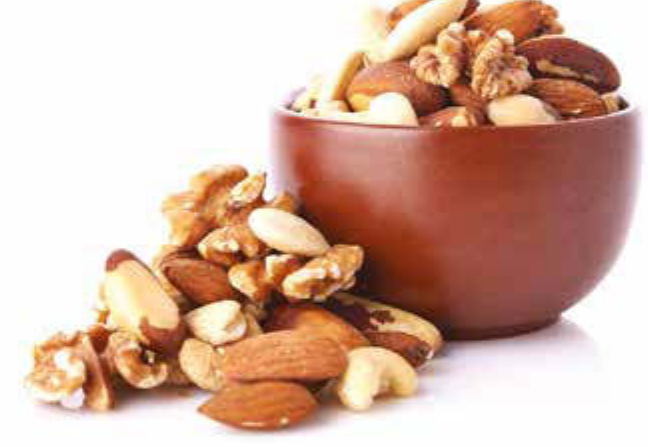
Polyunsaturated fats are also considered healthy fats. There are two main categories: omega-3 and omega-6. Polyunsaturated fats are generally liquid at room temperature and when refrigerated.
Both omega-3 and omega-6 fats act to lower LDL cholesterol in the bloodstream and increase HDL (good cholesterol), thereby reducing cardiovascular disease risk. Omega-3 polyunsaturated fats also promote blood vessel elasticity and prevent blood clots, which can decrease heart attack and stroke risk.
Important
Many people in western countries consume too many omega-6 fats which, like all fats, can increase obesity risk and associated conditions including cardiovascular disease. Balance between omega-3 and omega-6 is essential.
Food sources of polyunsaturated fats include:
- Omega-3: Fish, particularly oily fish such as mackerel, trout, sardines, tuna and salmon; canola and soy oils, and canola-based margarines
- Omega-6: Mainly nuts such as walnuts and Brazil nuts, seeds, and oil made from corn, safflower and soy
Saturated and trans fats (the 'bad fats')
Saturated and trans fats are sometimes known as 'bad fats' because they increase blood cholesterol levels and can therefore contribute to cardiovascular disease in the long term. Although consuming saturated and trans fats will satisfy energy and other requirements, they should be replaced by monounsaturated and polyunsaturated fats where possible.
Saturated fats are generally found in animal-based foods and are often solid at room temperature. You can see saturated fat in fatty cuts of meat in the marbling throughout the meat or the fat that forms along the edges of red meat cuts.
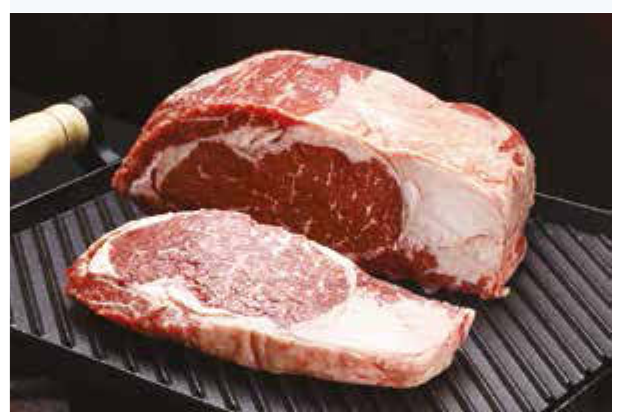
Other foods containing high levels of saturated fat include:
- Full-cream milk, cream and cheese
- Some fried takeaway food
- Most commercially baked goods, such as pastries and biscuits
Trans fats: Although small amounts occur naturally in certain foods, most trans fats are created when liquid oil is converted into solid fat through a process called hydrogenation. They are generally found in processed foods such as pies, pastries and cakes. Margarines and solid spreads produced for cooking are sometimes high in trans fats, as are products made from them.

Important
Trans fats, along with increasing cholesterol levels and cardiovascular disease risk, can also interfere with cell membranes and contribute to high blood glucose levels. This can contribute to impaired glucose regulation and potentially lead to diabetes mellitus (especially type 2).
Remember!
Summary
Key Points to Remember:
-
Macronutrients (carbohydrates, protein and fats) are needed in large amounts, whilst micronutrients (vitamins and minerals) are needed in small amounts.
-
Energy values: Carbohydrates provide 16 kJ per gram, protein provides 17 kJ per gram, and fats provide 37 kJ per gram.
-
Carbohydrates are the body's preferred energy source and should provide the majority (55%) of a young person's energy needs. They include fibre, which aids digestion and helps prevent disease.
-
Protein is essential for building, maintaining and repairing body cells - crucial during youth development. It's made up of amino acids, with nine being essential (must be consumed) and eleven being non-essential (can be made in the body).
-
Fats should make up 25% of total energy intake. The 'good fats' (monounsaturated and polyunsaturated, including omega-3 and omega-6) reduce cholesterol and support heart health. The 'bad fats' (saturated and trans) increase cholesterol levels and should be minimised.
-
Eating a wide variety of foods from different sources ensures all required nutrients are consumed for optimal health and wellbeing during youth.