Nutrients Required During Youth Including Water, Calcium, Sodium, and Iron (VCE SSCE Health and Human Development): Revision Notes
📚Revision Notes
Nutrients Required During Youth Including Water, Calcium, Sodium, and Iron
During youth, the body undergoes rapid growth and development. This means young people have specific nutritional needs that differ from other life stages. Four particularly important nutrients during this period are water, calcium, sodium, and iron. Understanding why these nutrients matter and where to find them in food can help young people support their health and wellbeing both now and in the future.
Note
The youth stage is a critical window for establishing lifelong health. The nutritional choices made during this period can have lasting effects on bone strength, cardiovascular health, and overall wellbeing in adulthood.
Water
Why water is essential
While humans can survive for weeks without eating, we can only last a few days without drinking water. This makes water one of the most critical nutrients for life. The human body consists of 50 to 75 per cent water, and because we cannot store it, we need fresh supplies every day.
Water is lost continuously through our lungs when we breathe, through our skin when we sweat, and through urine and faeces. The amount we need depends on several factors including body size, metabolism, weather conditions, the foods we eat, and how physically active we are.
Important
Dehydration occurs when the body loses more water than it takes in. Even mild dehydration can affect physical performance, concentration, and mood. During physical activity or hot weather, water needs increase significantly.
Functions of water
Water plays several vital roles in keeping our bodies functioning properly:
- It acts as a medium for all chemical reactions that produce energy in our cells. Without water, these essential processes cannot occur.
- It forms a key component of many cells, tissues, blood and body systems. Water is the main ingredient in blood, digestive fluids, urine and sweat.
- It helps regulate body temperature through perspiration.
Water is the body's preferred source of hydration. Choosing water over sugary drinks can also help with weight management. Since water contains no kilojoules (energy), drinking it instead of soft drinks, cordials, or other sweetened beverages reduces the risk of developing obesity, cardiovascular disease and type 2 diabetes.
Recommended daily intake
To prevent dehydration, adults need to consume:
- Women: approximately 2 litres (8 cups) of fluids per day
- Men: approximately 2.6 litres (10 cups) of fluids per day
These amounts should come primarily from water, though other fluids like tea and coffee also contribute to hydration.
Food sources of water
Pure water is the best source of hydration. Many other drinks contain high amounts of sugar and additives, so these should be limited. While tea and coffee do contain water, they should not be the main source of hydration.
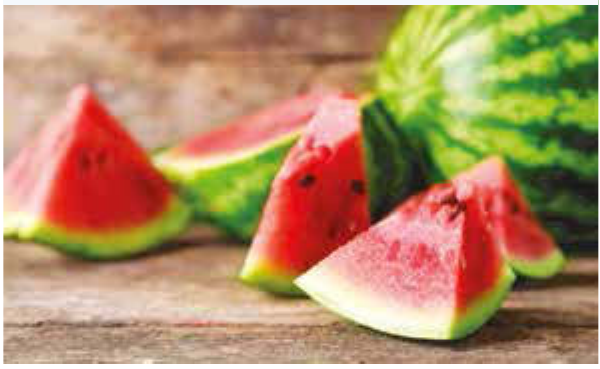
Many foods naturally contain water, particularly fruits and vegetables. Some examples include:
Fruits:
- Watermelon
- Apple
- Orange
- Tomato
- Pineapple
Vegetables:
- Celery
- Lettuce
- Cucumber
- Carrot
Calcium
Functions of calcium
Calcium is one of the most important minerals needed during youth. It is essential for building bones and other hard tissues such as teeth and cartilage. Because youth is a period of rapid growth, adequate calcium intake during these years is extremely important.
Note
Key Terms
Hard tissue: Tissue in the body that forms hard substances such as bones, teeth and cartilage
Cartilage: Connective tissue that protects and cushions the joints, and provides structure and support to various body tissues
Importance during youth for bone development
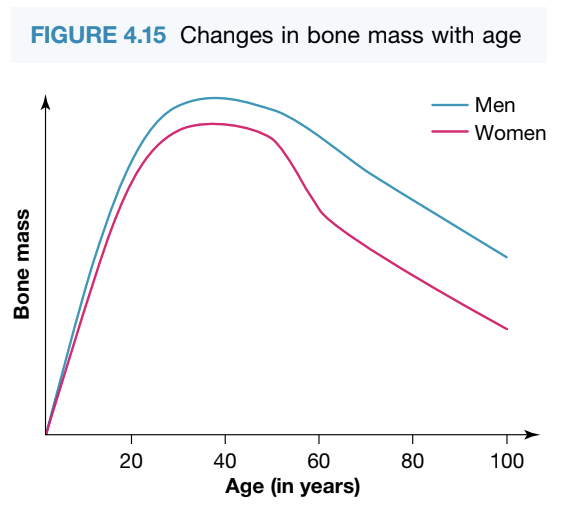
Youth represents the most important period for bone development. During these years, bone density increases more than at any other life stage. This contributes significantly to achieving optimal peak bone mass.
Peak bone mass refers to the maximum bone density and strength reached in early adulthood. The greater the bone density built during youth, the lower the risk of developing osteoporosis later in life.
Important
Critical Period for Bone Health
Youth is the only time in life when you can build your peak bone mass. Think of it as building a "bone bank" - the more you deposit during youth, the more you'll have to draw from as you age. Inadequate calcium intake during this period cannot be fully compensated for later in life, making it essential to prioritize calcium-rich foods now.
Peak bone mass: The maximum bone mass (density and strength) reached in early adulthood
Osteoporosis: A condition characterised by a reduction in bone mass that makes bones more likely to break and fracture
The graph below shows how bone mass changes throughout life. Notice how both men and women build bone mass rapidly during childhood and youth, reach peak bone mass in early adulthood, and then gradually lose bone mass as they age. Women typically experience a steeper decline after menopause.
Food sources of calcium
Good sources of calcium include:
- Most dairy products including milk, cheese and yoghurt
- Fish with bones such as sardines and salmon
- Green leafy vegetables like broccoli and spinach
- Fortified soy milk
- Tofu made with calcium sulfate
- Fortified orange juice
Fortified means that a nutrient has been artificially added to food to increase its nutritional value.

Important note about oxalic acid
Note
Oxalic Acid and Calcium Absorption
Spinach contains a substance called oxalic acid, which binds to calcium molecules and prevents the body from absorbing all the calcium present. When oxalic acid is present with calcium, only about 5 per cent of the available calcium may be absorbed. This is why it is important to obtain calcium from a variety of sources, particularly dairy products, which do not contain oxalic acid.
Sodium
Functions of sodium
Sodium is an important mineral that plays a crucial role in regulating fluids throughout the body, including water and blood. The way sodium works is simple but important: fluid is attracted to sodium. This means the amount of sodium in the blood affects how much fluid stays inside cells versus outside cells.
Through this mechanism, sodium regulates the balance between:
- Intracellular fluid (fluid inside cells)
- Extracellular fluid (fluid outside cells)
The problem of excess sodium
Most Australians consume far more sodium than they need. According to health authorities, the average Australian consumes eight to nine times the amount of sodium required for good health and wellbeing. This excess sodium can have serious health consequences.
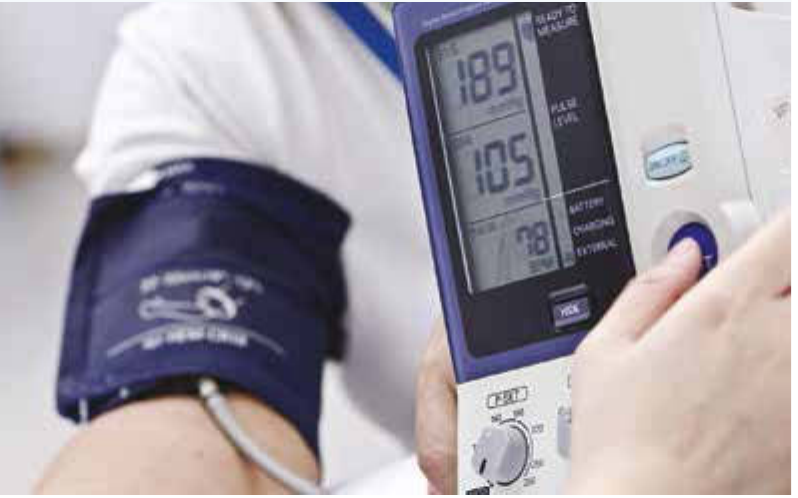
When sodium levels in the body become too high, excess fluid is drawn out of cells. This increases the volume of blood in the bloodstream and contributes to hypertension (high blood pressure).
Important
Health Consequences of Excess Sodium
High sodium intake is linked to several serious health conditions:
Heart failure: Increased blood volume and hypertension force the heart to work harder than normal. Over time, if the heart cannot keep up with the body's demands, heart failure can result.
Stroke and heart attack: Hypertension associated with excess sodium intake contributes to higher rates of stroke and heart attack.
Kidney disease: Blood pressure is regulated by the kidneys. Prolonged hypertension puts strain on the kidneys, which can eventually become diseased.
Osteoporosis: Excess sodium is filtered by the kidneys and removed in urine. During this process, calcium is also excreted from the body, which increases the risk of developing weak bones and osteoporosis later in life.
Food sources of sodium
Sodium is found naturally in many foods, but also appears in high amounts in processed and prepared foods:
- Table salt
- Olives
- Fish
- Meat (especially pork)
- Cheese
- Bread
- Many processed foods including tomato sauce, packet soups, canned vegetables, pizza and pies
Case study: Hidden salt in the Australian diet
Note
Hidden Salt in Everyday Foods
Most of the salt consumed in Australia is already hidden in processed foods and meals. High salt intake is linked to various health problems, most importantly raising blood pressure. High blood pressure is a leading risk factor for cardiovascular and kidney disease.
Salt may also play a role in other health problems such as osteoarthritis, cancer, asthma, Ménière's disease and obesity. Reducing salt intake can improve health and reduce the risk of experiencing these conditions.
Many people do not realize that bread is one of the biggest sources of salt in their diet. Recent studies show that around 19 per cent of salt in the Australian diet comes from bread, and the bread and cereals group together contribute 32.5 per cent of total salt intake.
Other major sources include:
- Processed meat products such as salami, sliced sandwich meats and canned meats (14.4%)
- Convenience meals such as pizzas, sandwiches and stir-fry dishes (8.4%)
- Many sauces and condiments
Reducing dietary salt
The easiest way to lower salt intake is to eat fresh, unprocessed foods and limit processed snacks and treats. The table below shows how choosing lower-salt alternatives can significantly reduce daily sodium intake:
| Meal | Initial Choice | Salt Content | Lower Salt Option | Salt Content | Salt Saved |
|---|---|---|---|---|---|
| Breakfast | Branded cereal with berries 45g | 0.41g | Store brand natural cereal 45g | 0.01g | 0.39g (98% less) |
| Snack | Light crackers 50g | 1.49g | Natural crackers 50g | 0.61g | 0.88g (59% less) |
| Crunchy peanut butter 20g | 0.3g | No added salt peanut butter 20g | 0.01g | 0.29g (98% less) | |
| Lunch | Wholegrain wrap 35g | 0.67g | Lower salt wholegrain wrap 35g | 0.23g | 0.44g (65% less) |
| Sliced leg ham 50g | 1.45g | Lite leg ham 50g | 0.94g | 0.51g (35% less) | |
| Light cheese slices 21g | 0.84g | Lower salt cheese slices 21g | 0.64g | 0.20g (24% less) | |
| Sweet mustard pickle 20g | 0.37g | Green tomato pickle 20g | 0.14g | 0.23g (63% less) | |
| Snack | Fruit filled bar 40g | 0.32g | Lower calorie fruit bar 40g | 0.13g | 0.19g (61% less) |
| Dinner | Standard frozen chicken meal 320g | 3.2g | Lower calorie chicken meal 320g | 1.32g | 1.88g (59% less) |
| TOTAL | 9g | 4g | 5g saved |
Understanding nutrition labels
Nutrition labels in Australia indicate how much sodium (the unhealthy component of salt) a product contains. To calculate the total salt content of a product, multiply the sodium content by 2.5.
When reading labels:
- Low-sodium food: Contains less than 120mg of sodium per 100g (or 100ml)
- High-sodium food: Contains more than 600mg of sodium per 100g (or 100ml)
Important
Exam Tip: Sodium vs Salt
When answering questions about sodium, remember to distinguish between sodium and salt. Sodium is the mineral element, while salt (sodium chloride) contains sodium. Always check whether the question asks about sodium or salt specifically, as they are not the same thing.
Iron
Functions of iron
Iron is an essential mineral that forms a crucial part of blood. During youth, blood volume increases significantly to support growing bodies, which means iron is needed in greater quantities during this life stage.
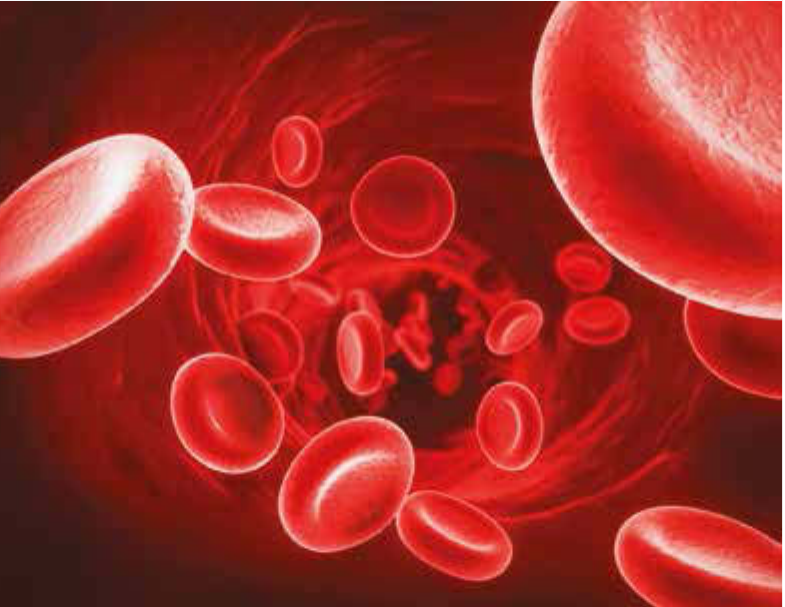
Iron forms the 'haem' part of haemoglobin, which is the oxygen-carrying component of blood. Haemoglobin transports oxygen from the lungs to all cells throughout the body, making it essential for energy production and all body functions.
Note
Key Term
Haemoglobin: A component of blood, largely consisting of iron and protein, that transports oxygen throughout the body
Importance during youth
Iron is especially important during youth for several reasons:
- Blood volume increases substantially during this growth period
- Many females begin menstruation during youth, which results in regular blood loss from the body
- Growing bodies need more oxygen to support rapid development
- Energy demands are high due to school, sport, socialising and other activities
Iron deficiency and anaemia
A person who does not get enough iron may develop anaemia, a condition characterised by tiredness and weakness. Individuals with anaemia struggle to generate enough energy to complete daily tasks such as school work, sport and socialising. This is because their blood cannot carry sufficient oxygen to their cells.
Important
Anaemia: A Common Nutritional Deficiency
Anaemia is a condition characterised by a reduced ability of the body to deliver enough oxygen to the cells due to a lack of healthy red blood cells.
Symptoms include:
- Persistent tiredness and fatigue
- Weakness and reduced physical performance
- Difficulty concentrating
- Pale skin
- Shortness of breath during normal activities
Young people, especially females who menstruate, are at higher risk of developing anaemia if they don't consume adequate iron.
Food sources of iron
Iron can be obtained from both animal and plant sources:
Animal sources:
- Lean red meat
- Turkey and chicken
- Fish, particularly oily fish such as mackerel, sardines and pilchards (fresh, frozen or canned)
- Eggs
Plant sources:
- Nuts (including peanut butter) and seeds
- Brown rice
- Tofu
- Bread, especially wholemeal or brown bread
- Leafy green vegetables, especially curly kale, watercress and broccoli
Note
Important Note About Red Meat
Red meat is a rich source of iron, but it often contains high levels of saturated fat. For this reason, lean meat should be chosen, and iron should also be obtained from other sources. A balanced, varied diet is the best way to ensure adequate iron intake.
Enhancing iron absorption with vitamin C
Iron from meat sources is usually absorbed most efficiently by the body. However, vegetarians can still get enough iron if they eat a variety of vitamin C-rich foods alongside plant-based iron sources.
Vitamin C changes the chemical make-up of iron from non-meat sources, which increases the amount that the body can absorb. This means that vitamin C should be consumed at the same meal when trying to maximize iron absorption from plant foods.
Foods high in vitamin C include:
- Kiwifruit
- Broccoli
- Blackcurrants
- Strawberries
- Citrus fruits such as oranges
Important
Exam Tip: Types of Iron
When discussing iron, remember that there are two types:
- Haem iron (from meat sources) - more easily absorbed by the body
- Non-haem iron (from plant sources) - absorption can be enhanced by consuming vitamin C at the same time
This distinction is particularly important for vegetarians and when answering exam questions about iron absorption.
Remember!
Summary
Key Points to Remember
-
Water is essential for survival and must be consumed daily. Choosing water over sugary drinks reduces the risk of obesity and chronic diseases. Adults need approximately 2 litres (women) or 2.6 litres (men) daily.
-
Youth is the critical period for building bone density. Adequate calcium intake during these years helps achieve peak bone mass and reduces the risk of osteoporosis later in life. This window of opportunity cannot be fully recaptured in adulthood.
-
Most Australians consume 8-9 times more sodium than needed. Excess sodium causes hypertension and increases the risk of heart disease, stroke, kidney disease and osteoporosis. Much of this sodium is hidden in processed foods, particularly bread (19% of dietary salt), processed meats (14.4%) and convenience meals (8.4%).
-
Iron needs increase during youth due to increasing blood volume and, for females, menstruation. Iron is essential for making haemoglobin, which carries oxygen in the blood. Inadequate iron intake can lead to anaemia, causing tiredness and weakness.
-
Vitamin C enhances iron absorption from plant sources, making it particularly important for vegetarians to consume vitamin C-rich foods alongside iron-rich plant foods at the same meal.