Temperature Control (OCR A-Level Biology A): Revision Notes
📚Revision Notes
Temperature Control
Overview of thermoregulation
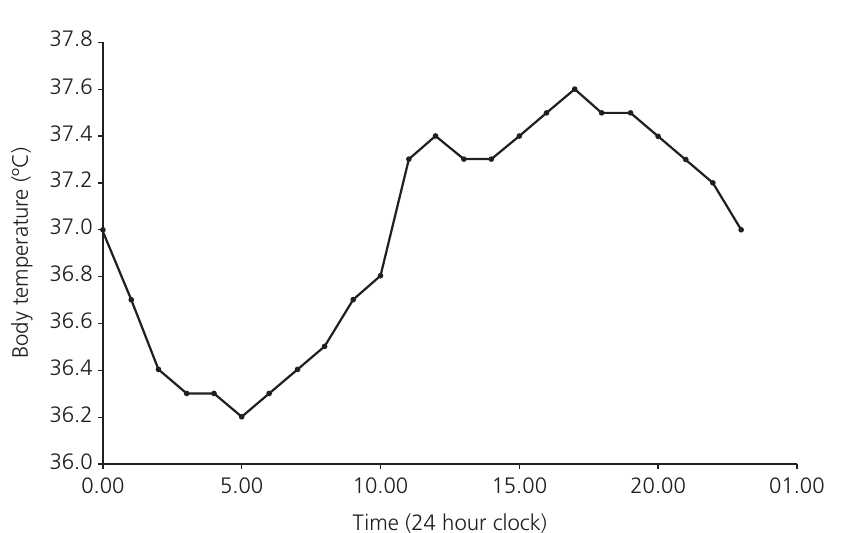
The human body maintains its core temperature within a tightly regulated range. While is commonly stated as normal body temperature, the actual range is . Core temperature tends to be slightly elevated during daytime compared to night.
Note
Temperature Thresholds:
- Fever: or higher
- Hypothermia: or lower
This precise temperature control exists because human enzymes have evolved to function optimally at approximately . Significant deviations from this temperature alter the rate of enzyme-controlled reactions, which are essential for life. The physiological control of body temperature is termed thermoregulation.
Classification of organisms by temperature control
Endotherms
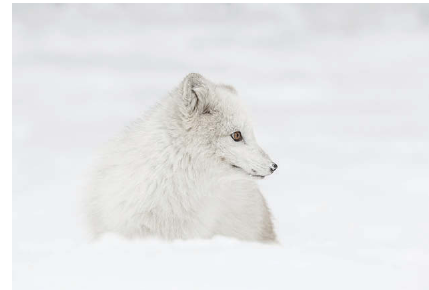
Endotherms are animals that maintain body temperature using heat generated within their body tissues. Mammals and birds are endothermic organisms, possessing physiological mechanisms to regulate their core temperature.
Endotherms maintain high metabolic rates to generate sufficient heat, which requires substantial food intake. They can colonise diverse habitats, including extreme hot or cold environments, because their behaviour is not restricted by environmental temperature.
Ectotherms
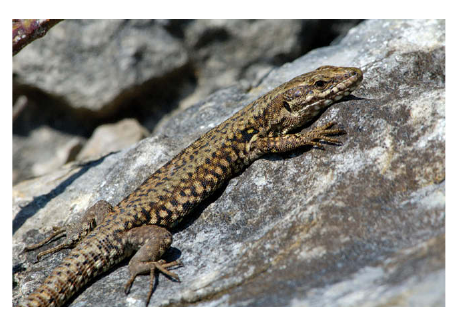
Ectotherms are animals that absorb heat from their environment to help regulate body temperature. All members of the animal kingdom except mammals and birds are ectothermic. These organisms rely primarily on behavioural adaptations to prevent core temperature from becoming too low or too high.
Important
Key Differences Between Endotherms and Ectotherms:
Ectotherms possess several advantages over endotherms:
- Require less food because their metabolic rates are lower
- Can survive extended periods without eating
- Better adapted to environments where food is limited
However, their behaviour is more restricted by environmental temperature, limiting their ability to colonise very hot or cold habitats.
Mechanisms of heat loss from the body
Heat can be lost from the body through four distinct mechanisms:
Note
RACE Mnemonic for Heat Loss:
- Radiation
- Air currents (convection)
- Conduction
- Evaporation
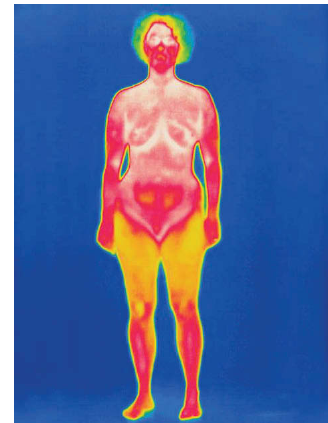
Radiation is the loss of heat in the form of electromagnetic radiation from hot objects into cooler surroundings. This is the primary method by which the human body loses heat. Radiation also allows heat gain from external sources such as the Sun or fire.
Convection occurs when currents of warm air move upwards. Air density decreases when heated, causing this upward movement of warmer air away from the body surface.
Conduction is the transfer of heat energy from a warmer material to a cooler material through direct contact. The body can lose heat to air through conduction. However, because air is an effective insulator, trapping a layer of air around the body reduces further heat loss by radiation.
Note
This principle explains why thick clothing made from materials like wool (which trap air) maintains warmth in cold conditions. The trapped air layer acts as an insulator, reducing heat loss.
Evaporation of water from the skin cools the surface. Heat energy from the skin is required to convert water into water vapour, thereby extracting thermal energy and cooling the skin.
Temperature control in ectotherms
Aquatic ectotherms experience relatively stable body temperatures. Water temperatures fluctuate far less than terrestrial temperatures due to the high specific heat capacity of water (the energy needed to change the temperature of of a substance by ).
Terrestrial environments present greater challenges. Environmental temperatures can vary substantially throughout the day and across seasons. Ectothermic animals must avoid exposure to temperature extremes and warm their bodies rapidly after cooling (often unavoidable during night). Low body temperatures result in sluggish movement, making it difficult for ectotherms to capture prey or escape predators.
When overheating threatens, ectotherms seek shade or water to cool down. Many adaptations help ectotherms avoid large temperature fluctuations, though these vary between taxonomic groups.
Note
Ectotherm Adaptations:
- Many fish possess blood vessels bringing cold blood from the body surface that pass very close to vessels bringing warm blood from internal organs and muscles, evening out temperature differences
- Ectotherms in cold conditions are often dark in colour, allowing their bodies to retain heat more effectively
- Some earthworms can survive temperatures down to
Despite apparently laborious methods, ectotherms can successfully maintain core body temperature within limited ranges. The body temperature of large ectotherms may vary by only approximately during a day.
Temperature control in endotherms
Endothermic animals possess mechanisms to increase core temperature in cold conditions and decrease it when hot. To achieve this, they must detect blood temperature.
Cooling mechanisms
Vasodilation of skin capillaries
Heat exchange, whether heating or cooling, occurs at the body surface where blood is in close proximity to the environment. Although extremely hot conditions can cause blood to gain heat from the environment, this is unusual. Even when air temperature is lower than blood temperature, warmer air results in less heat loss from the surface.
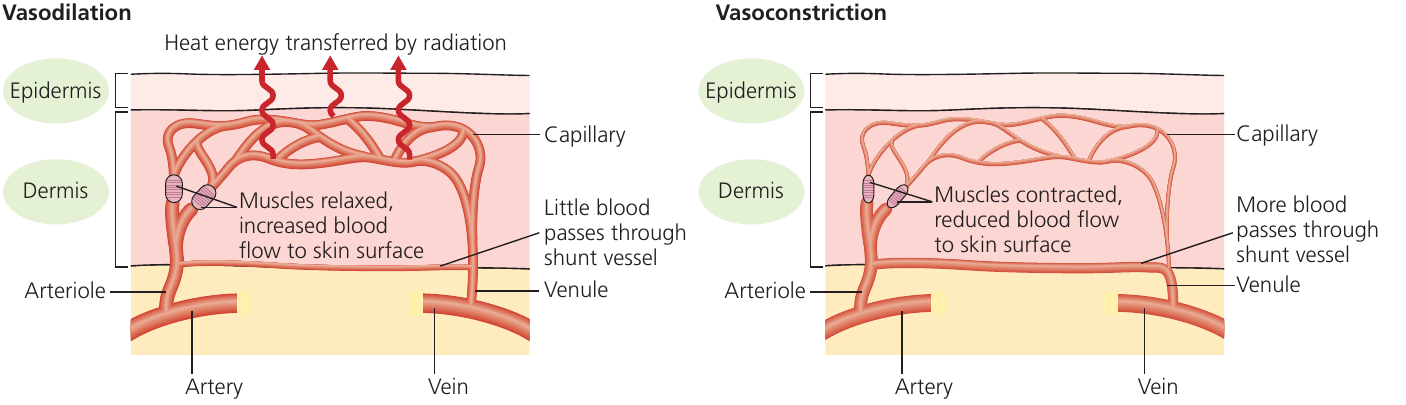
To maximise heat loss, a greater volume of blood must reach the skin capillaries. Arterioles have muscles in their walls that can contract or relax to control blood flow. In warm conditions, heat loss is maximised through vasodilation – the arterioles near the skin dilate, increasing blood flow through capillaries. This mechanism functions provided air temperature is lower than blood temperature, which is almost always the case.
Important
Common Misconception:
Vasodilation involves muscles in the arterioles, not the capillaries, which lack muscle in their walls. The arterioles control the flow of blood into the capillary network.
Vasodilation explains why people with pale skin appear red when hot: increased blood in vessels under the skin makes the red colour of blood visible.
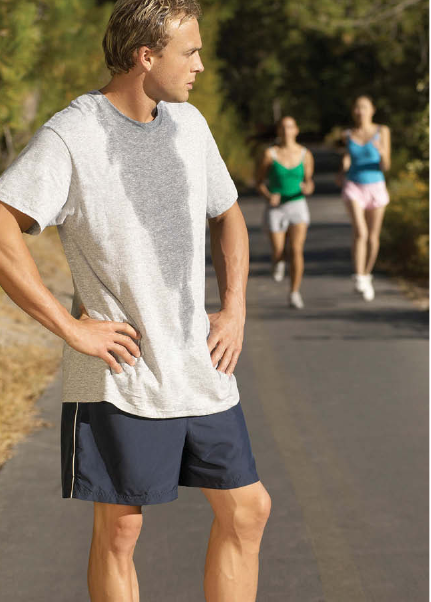
Sweating
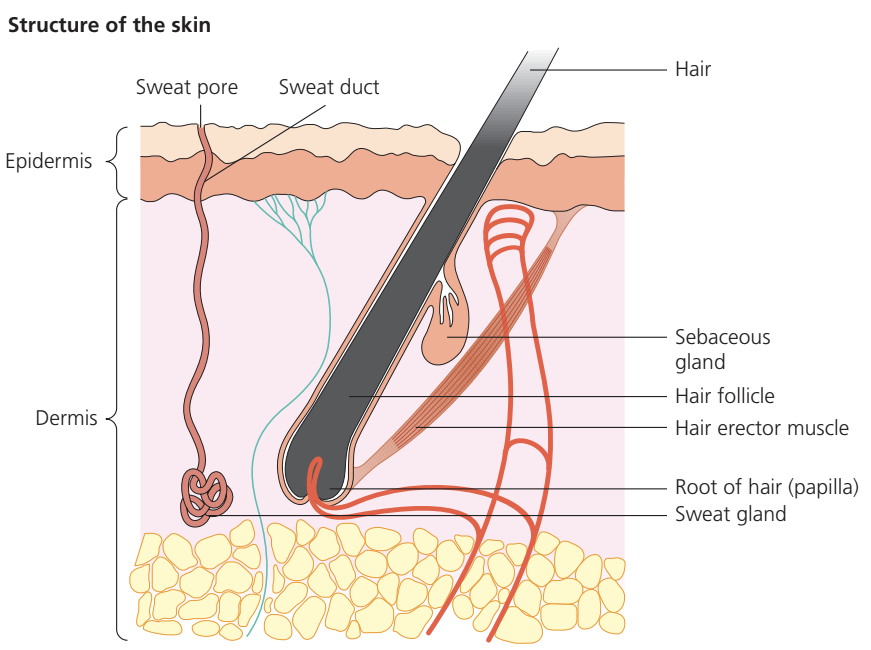
The skin contains sweat glands which produce sweat in hot conditions. These glands produce small amounts of sweat continuously, but secretion greatly increases when temperature rises.
The main function of sweating is to cool the skin. The cooling effect comes not from the sweat itself (which is at approximately body temperature) but from evaporation of that sweat. Evaporation extracts heat from the skin to convert water into water vapour, cooling the skin.
Note
Sweating is much less effective in humid conditions because damp air is less effective at evaporating water due to a reduced or unfavourable concentration gradient.
Flattening of the hair
Air trapped between hairs on the skin forms an insulating layer. Hair erector muscles (effectors) in the skin can raise hairs by contracting and lower them when relaxed. In warm conditions these muscles relax, thinning the insulating air layer on the skin and allowing more heat loss.
Warming mechanisms
Boosting metabolic rate
The great majority of chemical reactions in the body are exothermic, producing heat. This is why the body is warm. In cold conditions, the hormone thyroxine is released from the thyroid gland (located just in front of the larynx). This hormone boosts the basal metabolic rate (BMR) – the energy used by the body at rest to sustain its vital organs – increasing heat production.
Another hormone, adrenaline, also boosts metabolism but its action is short-term. The liver plays a major role in generating heat for the body due to the huge number of chemical reactions occurring there.
Shivering
Shivering is a reflex action in response to a slight drop in core body temperature, representing a nervous rather than hormonal mechanism. The effectors are the muscles. Rapid and regular muscle contractions comprising shivering generate heat which warms the blood.
Important
Common Misconception:
The heat generated by shivering comes from metabolic reactions in the muscle, not from friction between muscle fibres.
Vasoconstriction
Just as hot conditions affect blood supply to the skin, so does a temperature drop. The response is the reverse: arterioles constrict so less blood reaches the capillaries near the surface. This is called vasoconstriction. Blood is diverted through shunt vessels, which are deeper in the skin and do not lose heat to surroundings.
Note
This is not strictly a 'warming' mechanism as it does not raise blood temperature, but it reduces the normal cooling effect that occurs when blood flows through the skin.
Erection of hairs
Each hair has an erector muscle attached to it. When this muscle contracts, the hair stands erect. This allows the hair to trap a thicker air layer, which insulates the skin and reduces heat loss (not actually warming the blood). This can be effective in animals with thick fur, but has minimal effect in humans because hair on most human skin is very sparse.
Behavioural homeostatic responses
Although endotherms possess internal homeostatic mechanisms, they also exhibit behavioural responses similar to ectotherms. They seek shade or cool places when the environment is particularly hot, and take measures to warm themselves in extreme cold. For instance, penguins huddle together to withstand extreme Antarctic winters, and humans build fires or wear thick clothing.
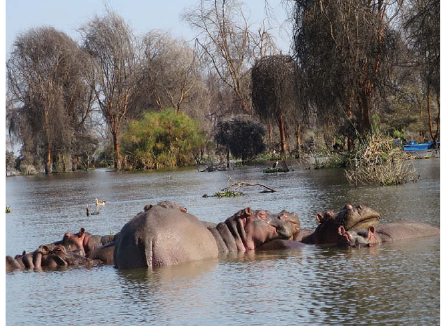
For these behaviours to occur, the animal must detect external temperatures. This is achieved by peripheral receptors – thermoreceptors found in the skin and mucous membranes. There are receptors for both heat and cold, though exactly how they work is not yet fully understood. As well as behavioural responses, they communicate with the hypothalamus and may contribute to physiological mechanisms.
Monitoring temperature in endotherms
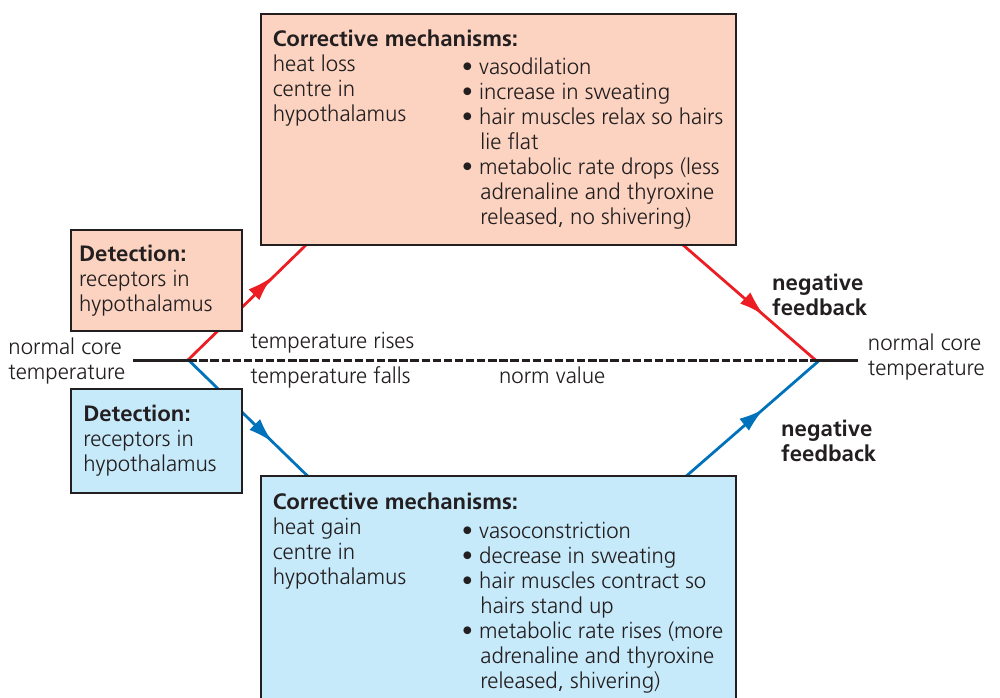
To control body temperature, endotherms need a means of monitoring it and coordinating corrective measures. The centre for temperature control is located in the hypothalamus in the brain, which monitors core blood temperature as it passes through.
Important
The Hypothalamus Control Centre:
As well as temperature receptors, the hypothalamus contains two control centres:
- Heat loss centre – activated when body temperature rises
- Heat gain centre – activated when body temperature falls
These centres send both nervous and hormonal signals which bring about various actions related to temperature control.
Sweating, shivering, vasoconstriction and vasodilation are controlled by nerve impulses via the autonomic nervous system (the part of the nervous system that controls automatic responses, consisting of the sympathetic and parasympathetic nervous systems).
Thyroxine is released from the thyroid gland and is controlled by thyroid-stimulating hormone (TSH), which is released from the pituitary gland in response to hormones released by the hypothalamus (located just above it). Adrenaline is released from the adrenal glands as a result of nervous stimulation.
Note
Negative Feedback:
Negative feedback mechanisms reverse these actions when core body temperature returns to normal, ensuring temperature remains within the optimal range.
Diurnal temperature variation
Human body temperature, whilst kept within a restricted range, varies slightly during hours. Temperature varies by approximately (from to ). This variation is due to increased activity during the day, meaning muscles generate more heat than at night when the body is sleeping.
Practical: measuring oxygen consumption in endotherms and ectotherms
An open-flow respirometer can be used to determine respiratory rates of endotherms (such as a mouse) and ectotherms (such as a lizard) at different environmental temperatures.
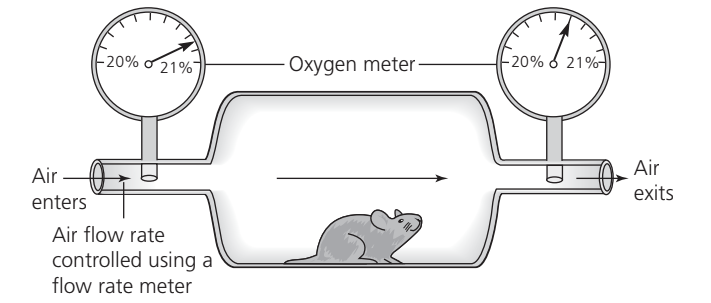
Air is directed at a standard flow rate into a temperature-controlled chamber containing the experimental animal. The oxygen concentration is measured in air before entering the chamber and when it exits. Oxygen consumption is calculated using the difference in concentrations and the rate of air flow.
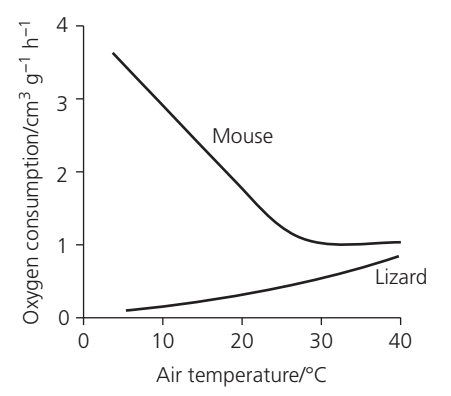
Results show contrasting patterns between endotherms and ectotherms:
Note
Mouse (Endotherm) Results:
Oxygen consumption decreases as air temperature increases from to approximately , then remains relatively constant.
Explanation: At low temperatures, the mouse must increase its metabolic rate to maintain body temperature, requiring more oxygen for respiration. As environmental temperature approaches body temperature, less heat is lost, so less metabolic heat generation is needed.
Note
Lizard (Ectotherm) Results:
Oxygen consumption increases steadily as air temperature increases.
Explanation: As an ectotherm, the lizard's body temperature rises with environmental temperature. Higher body temperature increases enzyme activity and metabolic rate, requiring more oxygen for respiration.
Remember!
Summary
Key Points to Remember:
-
Thermoregulation maintains core body temperature at because enzymes function optimally at
-
Endotherms use physiological mechanisms (vasodilation/vasoconstriction, sweating, shivering, metabolic changes) whilst ectotherms rely primarily on behavioural adaptations
-
Heat loss occurs through four mechanisms: radiation, convection, conduction, and evaporation (RACE)
-
The hypothalamus monitors blood temperature and coordinates responses through its heat loss and heat gain centres via negative feedback mechanisms
-
Vasodilation and vasoconstriction occur in arterioles (not capillaries), controlling blood flow to skin capillaries and regulating heat loss or conservation