The Components of Fitness (AQA GCSE Physical Education): Revision Notes
📚Revision Notes
The Components Of Fitness
| Type | Explanation | Sports | Fitness Test |
|---|---|---|---|
| ❤️ Cardiovascular Fitness: The ability of the heart and lungs to supply oxygen to the working muscles | They need good cardiovascular fitness to be able to maintain a high standard of performance throughout the race/match. | Games players Long distance runners/rowers | Multi stage fitness test |
| 💪 Muscular Endurance: The ability of a muscle group to undergo repeated, contractions, avoiding fatigue | They need a prolonged additional oxygen delivery to the working muscles to repeat muscle contractions over a long period of time without tiring | Cyclist (legs) Boxing (punching) Swimmer (arms/legs) | Sit-up bleep test |
| 🤸🏻 Flexibility: The range of movement possible at a joint | Performers need good flexibility to be able to get into position without getting injured and to perform complex movements | Gymnasts Goalkeepers Divers | Sit and reach |
| 🕝 Reaction Time: The time taken to respond to a stimulus | Performers need to react to a stimulus. A stimulus can include: a ball, whistle, starters gun, or an opponent | Sprinters Badminton players Rugby players | Ruler drop test |
| 🔥 Power: Is the ability to do strength performances quickly Power = Strength x Speed | Performers need power to improve performance. Speed and strength is needed in sports where you throw jump kick and sprint | Shot put Football (kicking) High jump | Vertical jump |
| 💨 Speed: The amount of the time it takes to perform a particular action or cover a particular distance | Performers need speed to get from one position to another. This may be leg speed to run or arm speed when throwing or hitting | Sprinting Badminton Javelin thrower | 30m sprint |
| 🏃♂️ Agility: Is the ability to change position of the body quickly while maintaining control of the movement | Performers need agility to change direction quickly. This can be used to evade opponents or move around the court or pitch quickly | Rugby side-step Tennis Badminton | Illinois agility run |
| ⚖️ Balance: Is the ability to retain the body's centre of mass above the base of support static or dynamic | Performers need balance so they don't fall over. E.g. in gymnastics when performing a balance (static) or travelling across the beam (dynamic) | Gymnastics Skiing Hammer throw | Stork balance test |
| 🧩 Coordination: Is the ability to use two or more body parts together smoothly and efficiently | Performs need coordination when they are using two body parts at the same time. It can be used when aiming, or striking/hitting a ball | Tennis Archery Football | Wall toss |
| 🏋️♂️ Strength: The ability to overcome a resistance. it requires a force to be applied to a muscle or muscle group | Performers need Strength to support weight (static) lifting a weight (maximal) punch (dynamic) throw (explosive) | Weight lifting Rugby Gymnastics | Grip dynamometer 1 rep max test |


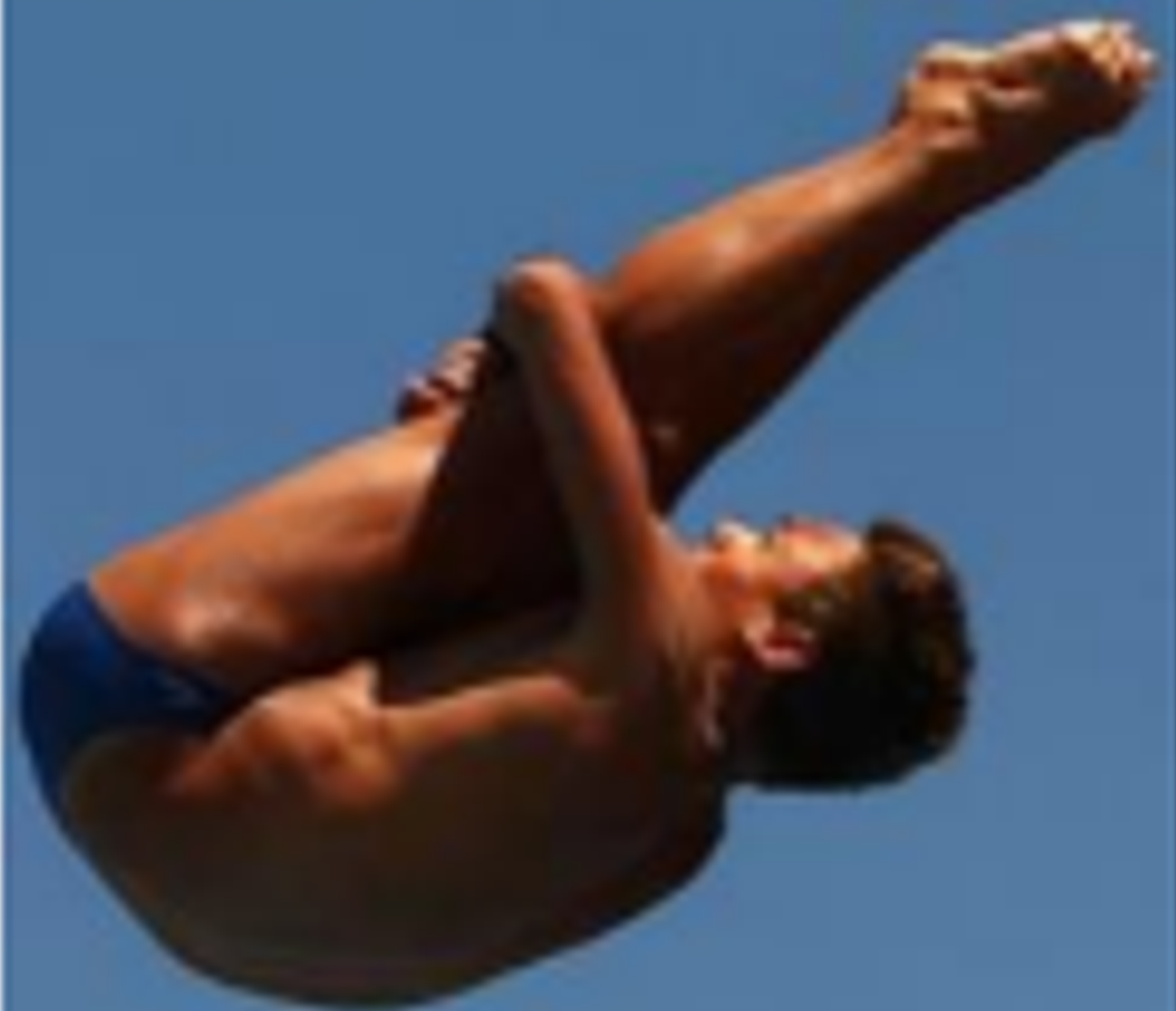

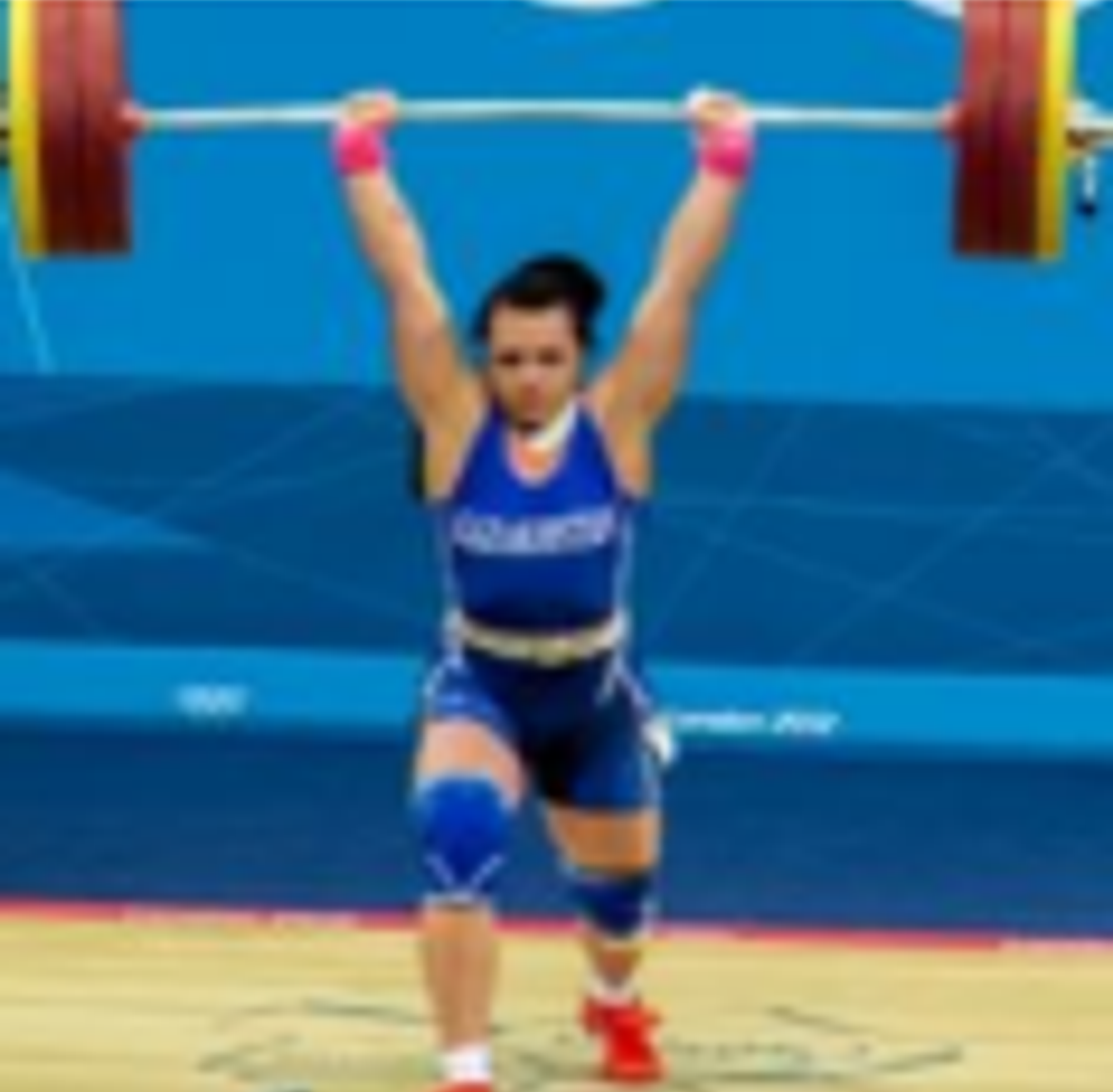
Benefits of Linking Sport to Fitness
- Health Improvement: Regular participation in sports enhances cardiovascular health, muscular strength, and overall physical fitness.
- Mental Well-being: Sports participation reduces stress, improves mood, and enhances mental health.
- Skill Development: Engaging in sports helps develop specific fitness components, improving performance in various activities.
- Social Interaction: Team sports foster social skills, teamwork, and communication.