Osmoregulation (neg. feedback) (Edexcel GCSE Biology): Revision Notes
📚Revision Notes
Osmoregulation (neg. feedback)
Note
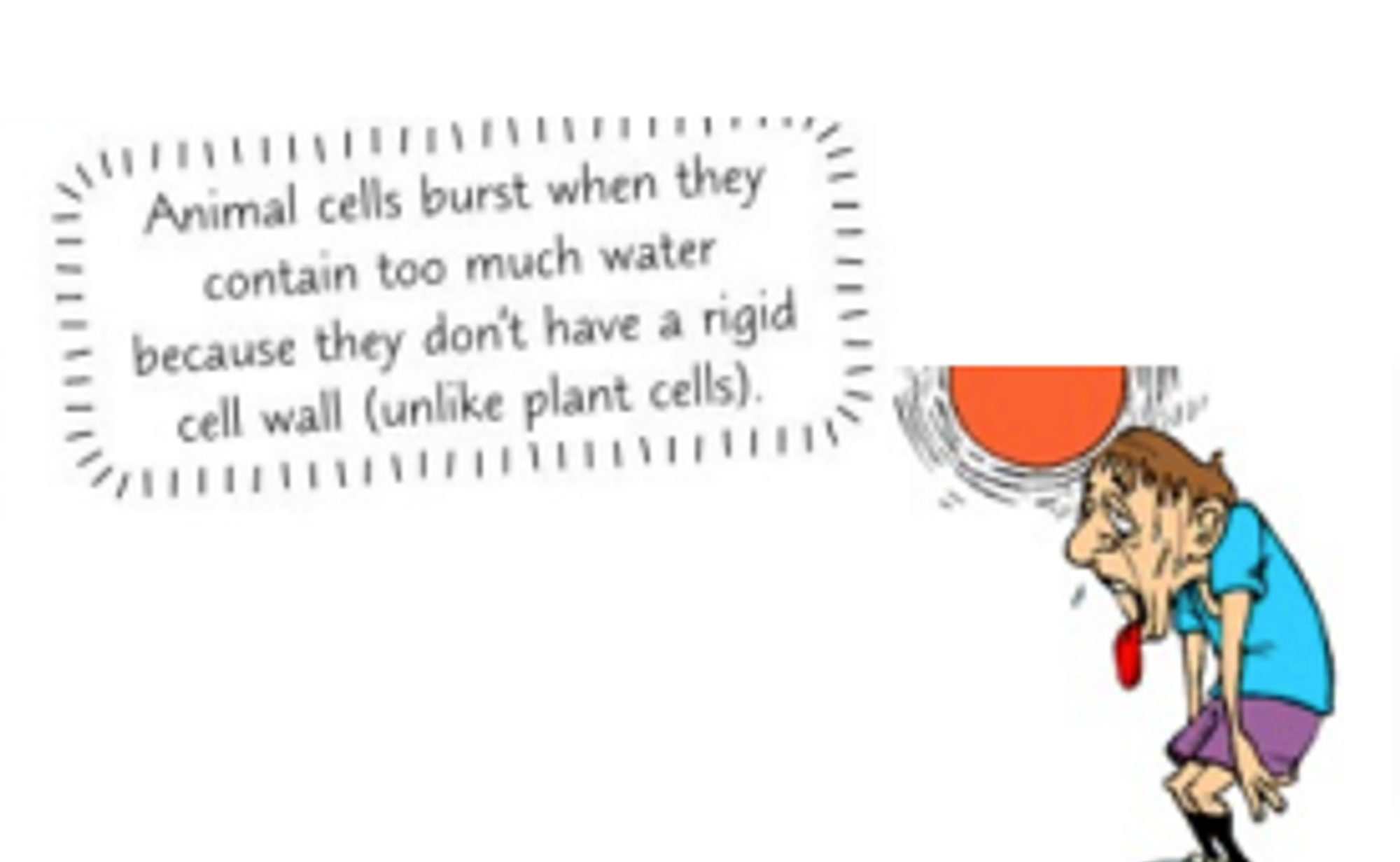
Osmoregulation is the process by which the body controls the balance of water and mineral ions (salts) to maintain a constant internal environment. This is crucial because animal cells need a stable water balance to function properly. If water levels are not maintained, cells can either swell and burst or shrink and become dehydrated, leading to impaired cell function.
Note
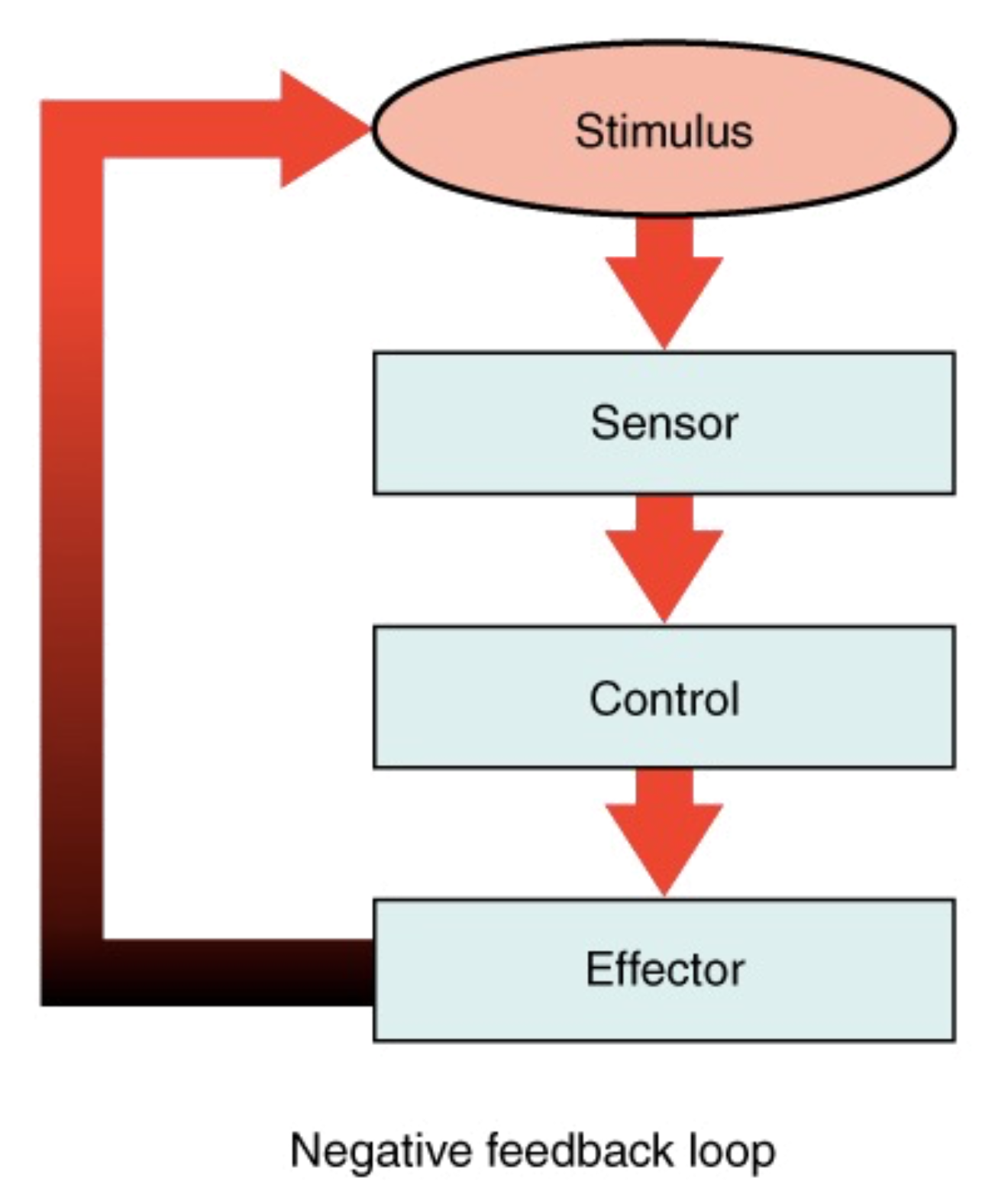
Negative feedback Ensures an optimum steady state is obtained:
- When something rises, control systems reduce it.
- When something falls, control system raises it.
Why its so important:
- If water concentration in blood is too high: Water will move in cells by osmosis which can cause the cells to burst
- If water concentration in blood is too low:
Water will move out of the cells into blood by osmosis causing cells to shrink
Negative Feedback in Osmoregulation:
Note
Negative feedback is a process in which a change in a system triggers a response that reverses the initial change, bringing the system back to its normal state. In osmoregulation, this mechanism helps maintain constant water levels in the body.
When Dehydrated (Low Water Levels):
- Stimulus: The blood becomes more concentrated (high solute levels) due to low water levels, which can be caused by sweating, lack of fluid intake, or excessive urination.
- Receptors: Osmoreceptors in the hypothalamus detect the increased concentration of the blood.
- Control Centre: The hypothalamus sends signals to the pituitary gland, which releases Anti-Diuretic Hormone (ADH) into the bloodstream.
- Effectors: ADH targets the kidneys, specifically the collecting ducts in the nephrons. It makes these ducts more permeable to water, allowing more water to be reabsorbed from the urine back into the blood.
- Response: The blood becomes more diluted (normal water levels), and the urine becomes more concentrated, with a smaller volume.
- Negative Feedback: As the blood concentration returns to normal, the hypothalamus detects this and reduces the release of ADH, stopping the reabsorption of excess water.
When Overhydrated (High Water Levels):
- Stimulus: The blood becomes more diluted (low solute levels) due to excessive water intake.
- Receptors: Osmoreceptors in the hypothalamus detect the lower concentration of the blood.
- Control Centre: The hypothalamus responds by sending signals to the pituitary gland to reduce the release of ADH.
- Effectors: With less ADH, the collecting ducts in the kidneys become less permeable to water, so less water is reabsorbed into the blood.
- Response: The excess water is excreted in the form of larger volumes of dilute urine, helping to reduce the water level in the blood.
- Negative Feedback: As water levels return to normal, the hypothalamus ensures that ADH production is adjusted accordingly to maintain the balance.
Note
Summary:
Osmoregulation is an example of a negative feedback mechanism. It involves detecting changes in water levels and adjusting the release of ADH to either conserve or excrete water, ensuring that the body's water levels remain balanced. This process is essential for keeping animal cells in their optimal state, preventing dehydration or overhydration, and maintaining overall homeostasis.