The kidneys (Edexcel GCSE Biology): Revision Notes
📚Revision Notes
The kidneys
Note
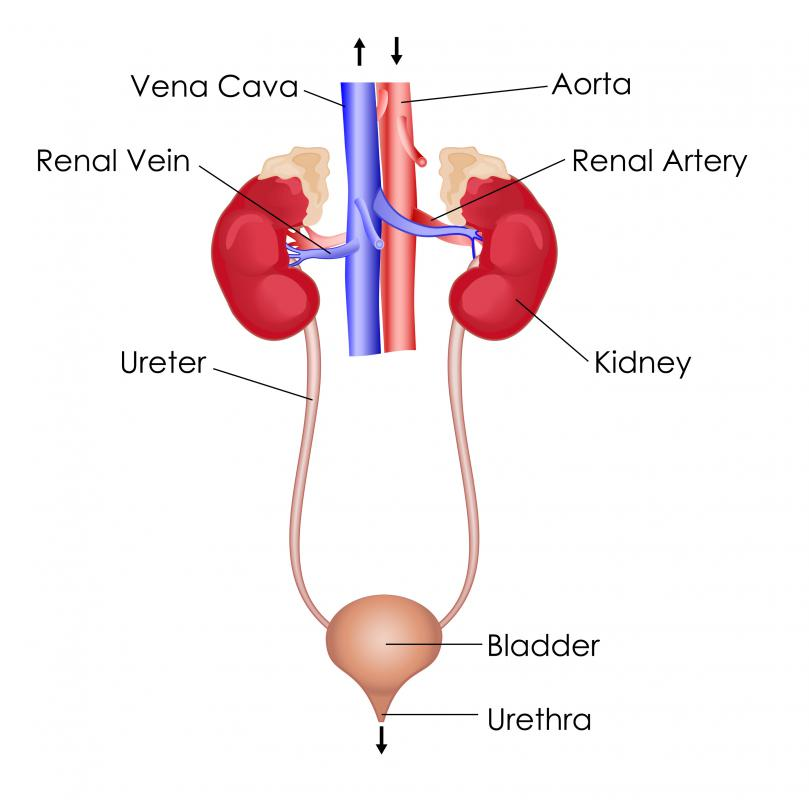
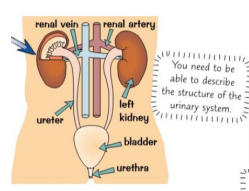
The urinary system is responsible for filtering the blood, removing waste products, and regulating water and ion balance in the body. It includes several key structures that work together to produce and expel urine.
Structure of the Urinary System:
Kidneys: The kidneys are two bean-shaped organs that philtre the blood, remove waste products like urea, and regulate the balance of water and minerals.
- Blood enters the kidneys through the renal artery, and filtered blood leaves through the renal vein.
- The kidneys produce urine, which contains waste products, excess water, and mineral ions. Ureters: These are tubes that carry urine from the kidneys to the bladder.
Bladder: A muscular sac that stores urine until it is convenient for the body to expel it.
Urethra: A tube through which urine leaves the body during urination. The urethra differs from the ureters, which carry urine from the kidneys to the bladder.
The Structure and Function of the Nephron:
Note
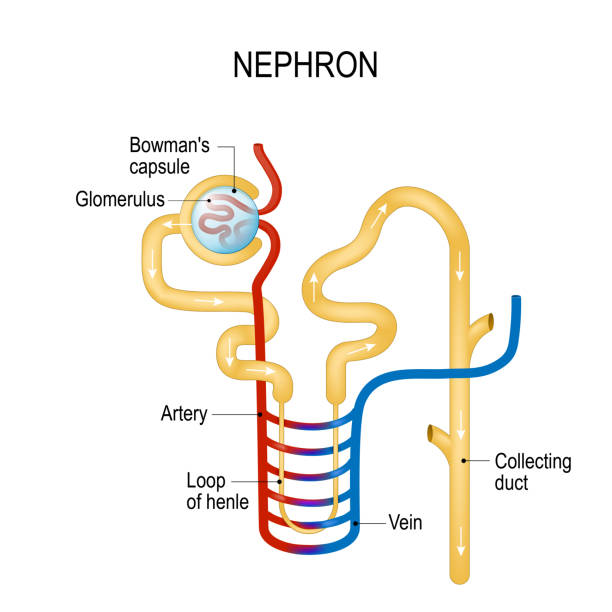
The nephron is the functional unit of the kidney, with each kidney containing over one million nephrons. The nephron philtres blood, reabsorbs useful substances, and forms urine. The process occurs in several stages:
Filtration in the Glomerulus and Bowman's Capsule:
- Filtration occurs when blood enters a cluster of capillaries called the glomerulus under high pressure.
- This high pressure forces small molecules, such as water, ions, glucose, and urea, out of the blood and into the Bowman's capsule, which surrounds the glomerulus.
- Large molecules like proteins and blood cells remain in the bloodstream because they are too big to pass through the capillary walls.
Selective Reabsorption of Glucose:
- After filtration, the filtered fluid (filtrate) moves along the nephron tubule.
- In the proximal convoluted tubule, all the glucose that was filtered out is selectively reabsorbed back into the bloodstream by active transport.
- This ensures that glucose, which is necessary for respiration, is not lost in the urine.
Reabsorption of Water:
- As the filtrate passes through the nephron, water is reabsorbed in the loop of Henle and the collecting duct, depending on the body's needs.
- The amount of water reabsorbed is controlled by the hormone ADH (Anti-Diuretic Hormone).
Urea Production
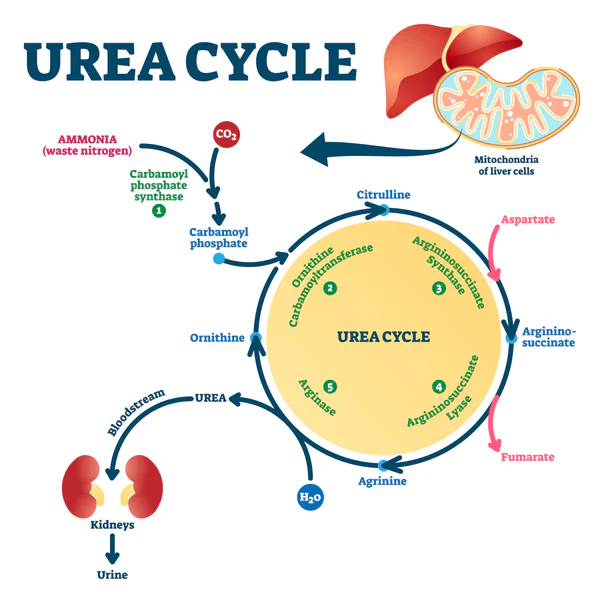
- Urea is a waste product formed in the liver during the breakdown of excess amino acids.
- The body cannot store amino acids, so when there are too many, they are broken down in a process called deamination. This produces ammonia, which is toxic.
- The ammonia is quickly converted into urea, a less toxic substance, which is then transported to the kidneys where it is filtered out of the blood and excreted in urine.
Roles
- Remove urea from blood (urea is produced in liver from breakdown of amino acids)
- Regulates ion/water levels in blood
- Maintains PH of blood (7.35-7.45)
It does this by filtering stuff out of blood under high pressure then reabsorbing useful things. End product is URINE (water, urea, ions)
Nephrons
Ultrafiltration
Liquid part of the blood (containing urea, ions & glucose) is forced out of the glomerulus & into the bowman's capsule at high pressure.
Bigger molecules (proteins) & blood cells cant pass through the membranes
Selective Reabsorption
As the liquid flows along the nephron useful substances are reabsorbed:
- Glucose(moved back in blood against concentration gradient)
- Ions
- Water (according to ADH levels)
The Role of ADH in Water Reabsorption:
- ADH is a hormone released by the pituitary gland when the body needs to conserve water.
- ADH makes the collecting duct of the nephron more permeable to water, allowing more water to be reabsorbed back into the blood.
- When ADH levels are high, more water is reabsorbed, producing small volumes of concentrated urine.
- When ADH levels are low, less water is reabsorbed, and the kidneys produce large volumes of dilute urine.
Note
This process ensures that the body maintains a stable balance of water, preventing dehydration or over hydration.
What isn't absorbed:
(urea, excess water, excess ions) Continues out of the nephron through the collecting duct Passes through ureter down to the bladder as urine
Note
Summary:
- Urea is produced in the liver during the breakdown of excess amino acids and is filtered from the blood by the kidneys.
- In cases of kidney failure, patients rely on either dialysis, where waste is filtered from the blood using a machine, or a kidney transplant, where a donated kidney replaces the failed organ.
- Dialysis is a short-term solution that requires regular sessions, while kidney transplants offer a longer-term solution but come with the risk of organ rejection and the need for lifelong medication.