Decomposition (Edexcel GCSE Biology): Revision Notes
📚Revision Notes
Decomposition
Note
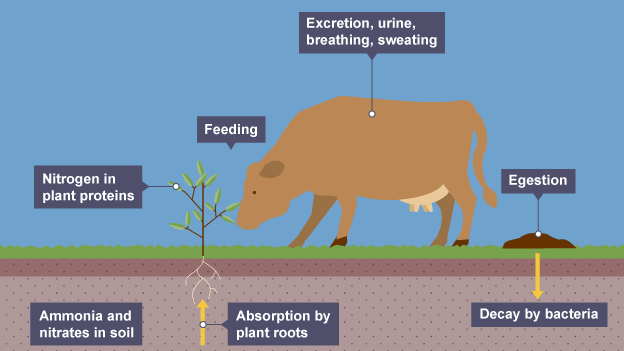
Decomposition is the process by which organic material is broken down into simpler forms of matter. Several factors influence the rate at which decomposition occurs.
Factors Affecting the Rate of Decomposition
- Temperature
- Effect: Chemical reactions, including those involved in decomposition, generally occur faster in warmer conditions. However, if the temperature is too high, enzymes that facilitate decomposition can denature, causing the process to slow down or stop altogether.
- Water Availability
- Effect: Microorganisms responsible for decomposition thrive in moist environments because water is essential for their respiration. Additionally, water helps soften organic material, making it easier for decomposers to digest.
- Oxygen Availability
- Effect: Most decomposers, such as bacteria and fungi, require oxygen for aerobic respiration. In the presence of ample oxygen, they can decompose materials more efficiently. | Temperature | Water content | 02 | |---|---|---| | a warm temperature speeds up the rate of enzyme controlled reactions in microbes, so decay happens faster. Enzymes denature if the temperature gets too high. | decay takes place faster in moist environments because the organisms involved in decay need water to survive and carry out biological processes | the rate of decomposition is faster where there is plenty of oxygen available. |
Compost
Note
Composting: The process of decomposing organic material (like kitchen scraps and garden waste) to produce compost.
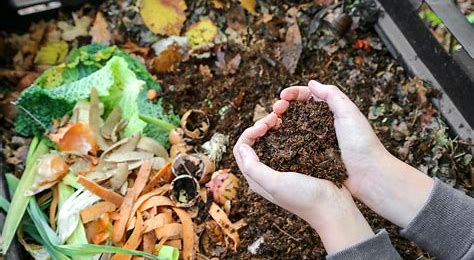
Use: Compost is a natural fertiliser rich in nutrients, used by gardeners and farmers to improve soil health.
Optimal Conditions: To create compost efficiently, optimal conditions must be provided:
- Oxygen: Ensuring that oxygen is available allows microorganisms to respire aerobically, producing heat as a by-product, which further accelerates the rate of decay.
- Temperature: The increased temperature from aerobic respiration speeds up decomposition, allowing compost to form more quickly.
Decomposition in Food
Temperature
- High temperatures (above 40°C) can denature enzymes that are responsible for breaking down food, slowing or stopping decomposition. This is why heat treatments like pasteurisation and cooking are effective in preserving food by killing bacteria and fungi.
- Low temperatures (e.g., refrigeration or freezing) slow down the rate of microbial growth and enzyme activity. Refrigeration (around 4°C) slows bacterial growth, while freezing (below 0°C) stops most bacterial and fungal activity by making water unavailable to microorganisms. However, freezing does not kill all bacteria and fungi; some may survive and resume growth when the food thaws.
- Optimal temperature for decomposition: In normal conditions, decomposition occurs most rapidly between 20°C and 40°C, as this is the temperature range that most bacteria and fungi thrive in. Therefore, maintaining food at temperatures outside this range can inhibit decomposition.
Water Content (Moisture)
- Microorganisms need water to survive and grow. If the water content of food is high, it provides a conducive environment for microbial growth and decomposition.
- Drying or dehydrating food removes water, making it harder for microorganisms to survive. This is why foods such as dried fruits, powdered milk, and jerky last longer—low water content limits microbial activity.
- Salt and sugar are commonly used in preservation to lower the water activity in food. By drawing water out of the food and creating a hypertonic environment, salt and sugar make it difficult for microorganisms to thrive.
Oxygen Availability
- Aerobic microorganisms (such as bacteria and fungi) require oxygen to survive and decompose organic matter. If oxygen is limited, the growth of these microorganisms is slowed, reducing the rate of decomposition.
- Anaerobic microorganisms, on the other hand, can thrive in environments with little to no oxygen. Some anaerobic bacteria, such as those that cause botulism, can survive in sealed, low-oxygen environments like canned goods if the food is not properly sterilised before sealing.
- Vacuum sealing and canning are common food preservation techniques that reduce or eliminate oxygen, thus limiting aerobic decomposition. These methods prevent the growth of aerobic microorganisms but must ensure that anaerobic bacteria are also controlled.
Food preservation methods to reduce rate of decay:
- Storing food in fridge of freezer lowers temp of food. Slows down decomposers.
- Storing food in airtight cans stop microorganisms getting in.
- Drying foods removes water that microorganisms require to survive and reproduce
Ideal conditions are maintained to make compost:
Compost— decomposed organic matter, used as a fertiliser for crops and garden plants.
- Spaces in side: helps decomposition
- Lid: keeps it warm/moist
Problems with insulating compost
- O2 cannot get to compost enough
- Heat can't escape
Methane Gas Production
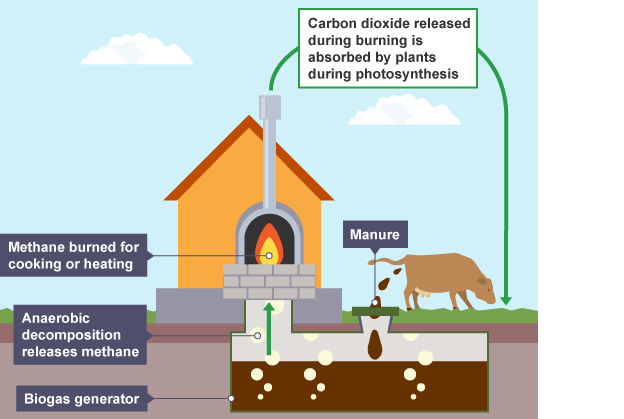
Anaerobic Decomposition: When microorganisms decompose organic waste in the absence of oxygen, they produce methane gas.
Use: Methane can be captured and burned as a fuel source.
Biogas Generators: Devices used to produce methane through anaerobic digestion.
- Requirements: A constant temperature of around 30°C is necessary to maintain microbial activity and ensure consistent methane production.
- Storage: Methane cannot be stored as a liquid, so it must be used immediately after production.