Fuses & earthing (Edexcel GCSE Physics Combined Science): Revision Notes
📚Revision Notes
Fuses & earthing
Note
Fuses and earthing are essential safety features in electrical circuits. They prevent electrical overloads and protect against electric shocks or fire by cutting off the electricity when something goes wrong.
Electrical Overloads & Surges
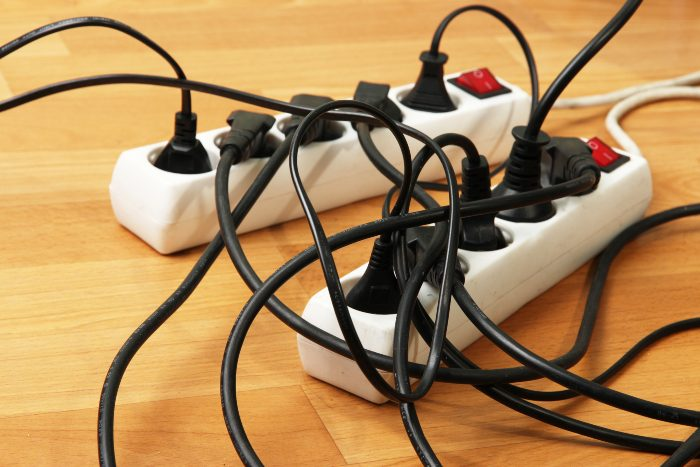
Electrical surges (sudden increases in current) can occur due to:
-
Changes in the circuit, such as an appliance suddenly switching off.
-
A fault in an appliance that causes too much current to flow. These surges can lead to:
-
Wires overheating and melting, which can cause fires.
-
Electric shocks if the appliance is faulty.
How Fuses Work
Note
- If a fault develops in an appliance, like the live wire touching the metal case, it becomes dangerous because the case can carry a current.
- Since the metal case is earthed, a large current flows from the live wire, through the case, and out through the earth wire.
- This surge in current is much higher than normal and causes the fuse to melt.
- Fuses are designed to break the circuit by melting when the current exceeds a certain limit (the fuse rating).
- The fuse is connected to the live wire, so when it melts, it cuts off the live supply.
- This isolates the appliance, making it impossible to get an electric shock from the metal case and prevents the risk of fire caused by overheating.
Fuse Ratings
Note
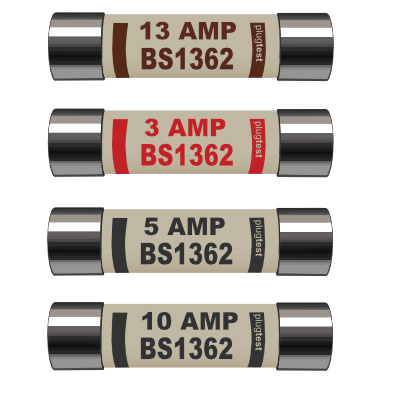
Fuse rating is the maximum current the fuse can handle before melting.
Fuses should be rated just slightly higher than the appliance's normal operating current.
If an appliance normally operates at 4A, a fuse rated around 5A would be used.
- The larger the current, the thicker the wire in the cable is needed to safely carry the current without melting.
Earthing
Note
Earthing ensures that any fault current flows safely to the ground rather than through a person. All appliances with metal cases must be earthed:
- The metal case is connected to an earth wire, so if the live wire touches the case, the current flows down the earth wire instead of through a person.
Double Insulation
- Some appliances are double insulated and don't need an earth wire:
- Double insulation means the appliance has a plastic casing and no exposed metal parts.
- Double insulated appliances only need two wires: the live wire and the neutral wire (no earth wire is needed).
- Two-core cables carry only the live and neutral wires.
Circuit Breakers
- Circuit breakers can be used instead of fuses in household wiring.
- They serve the same purpose as fuses but are more convenient because they can be reset instead of needing replacement.
- Circuit breakers also react faster than fuses, providing better protection against surges.