Dairy Cattle (Leaving Cert Agricultural Science): Revision Notes
📚Revision Notes
Dairy Cattle
Introduction to dairy breeds
Dairy cattle are specially selected breeds of cows that have been developed to produce large quantities of milk for human consumption. Different breeds have unique characteristics that make them suitable for various farming systems and market demands. Understanding these breeds, along with their management, feeding, and reproduction, is essential for successful dairy farming operations.
Major dairy breeds
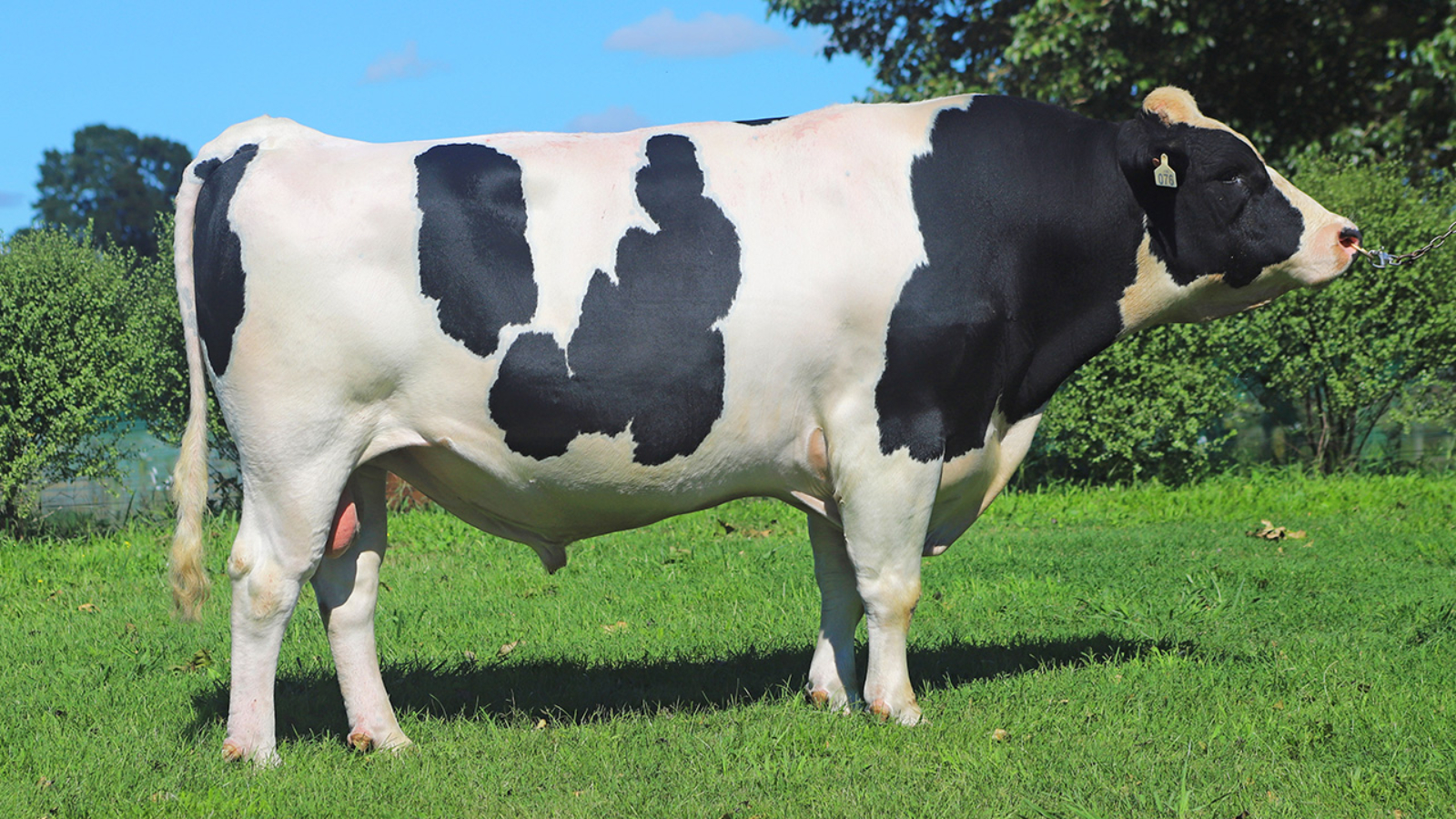
Holstein Friesian
The Holstein Friesian is the most popular dairy breed worldwide, originating from the Netherlands. These cattle are easily recognisable by their distinctive black and white markings and large body size.
Note
Holstein Friesian Key Characteristics:
- Very large animals with high feed requirements
- Produce the highest milk volumes of any dairy breed
- Milk has relatively low solid content (lower fat and protein percentages)
- Well-suited to intensive farming systems
- Require high-quality nutrition to maintain production levels
Jersey
Jersey cattle originated on the Channel Island of Jersey and are much smaller than Holstein Friesians. They are known for their rich, creamy milk production.

Note
Jersey Key Characteristics:
- Small, compact animals with lower feed requirements
- Brown or fawn coloured coat
- Produce smaller volumes of milk compared to Holsteins
- Milk has very high solid content (high fat and protein)
- Easy calving due to smaller calf size
- Excellent fertility rates and longevity
- Hardy animals that adapt well to various climates
Jersey x Holstein Friesian cross
This crossbreed combines the best traits of both parent breeds through hybrid vigour, resulting in animals that often outperform purebreds.
Key characteristics include:
- Medium-sized animals with dark brown coats
- Produce large volumes of high-quality milk
- Higher milk solid content than pure Holsteins
- Benefit from hybrid vigour, showing improved health and fertility
- Good compromise between yield and quality
Other breeds
Several other dairy breeds are used in specific regions or farming systems:
- Kerry: Irish native breed, hardy and well-adapted to local conditions
- Montbeliarde: French breed known for good milk quality and beef characteristics
- Norwegian Red: Scandinavian breed with excellent health traits and longevity
Cow terminology
Note
Essential Dairy Cattle Terminology:
- Calf: Baby cow from birth to 9 months of age
- Weanling: A calf that has been weaned from milk feeding
- Yearling: A young animal that is one year old
- Cow: An adult female that has calved
- Heifer: A young female that has not yet had a calf
- Bull: An intact male used for breeding
- Steer/Bullock: A castrated male, typically raised for beef production
Reproductive cycle and breeding
Efficient reproduction is essential in dairy farming.
- Oestrous cycle: 21 days
- Heat period: ~18 hours
- Signs of heat include mounting behaviour, restlessness, and standing to be mounted
- Artificial Insemination (AI) is widely used to improve genetics
- AI is typically carried out 12–18 hours after heat detection
- Gestation period: 283 days
Important
Dairy cows must produce one calf per year to maintain continuous milk production.
Calf rearing
Proper calf management is essential for future herd performance.
- Colostrum feeding is critical within the first few hours after birth
- Provides antibodies for disease protection
- Calves are fed whole milk or milk replacer
- Gradual transition to solid feed
- Early weaning reduces feeding costs
- Clean, dry housing prevents disease
Milk composition and the udder
Milk composition
| Component | Percentage |
|---|---|
| Water | 87.8% |
| Butterfat | 3.5% |
| Protein | 3.2% |
| Lactose | 4.7% |
| Minerals (Ca, Mg, P) | 0.8% |
- Milk solids = all non-water components
- SNF (Solids-Non-Fat) = protein + lactose + minerals
The udder structure
The udder is a specialised gland responsible for milk production.
- Four independent quarters
- Milk is produced in alveoli
- Stored and transported through ducts to the teat
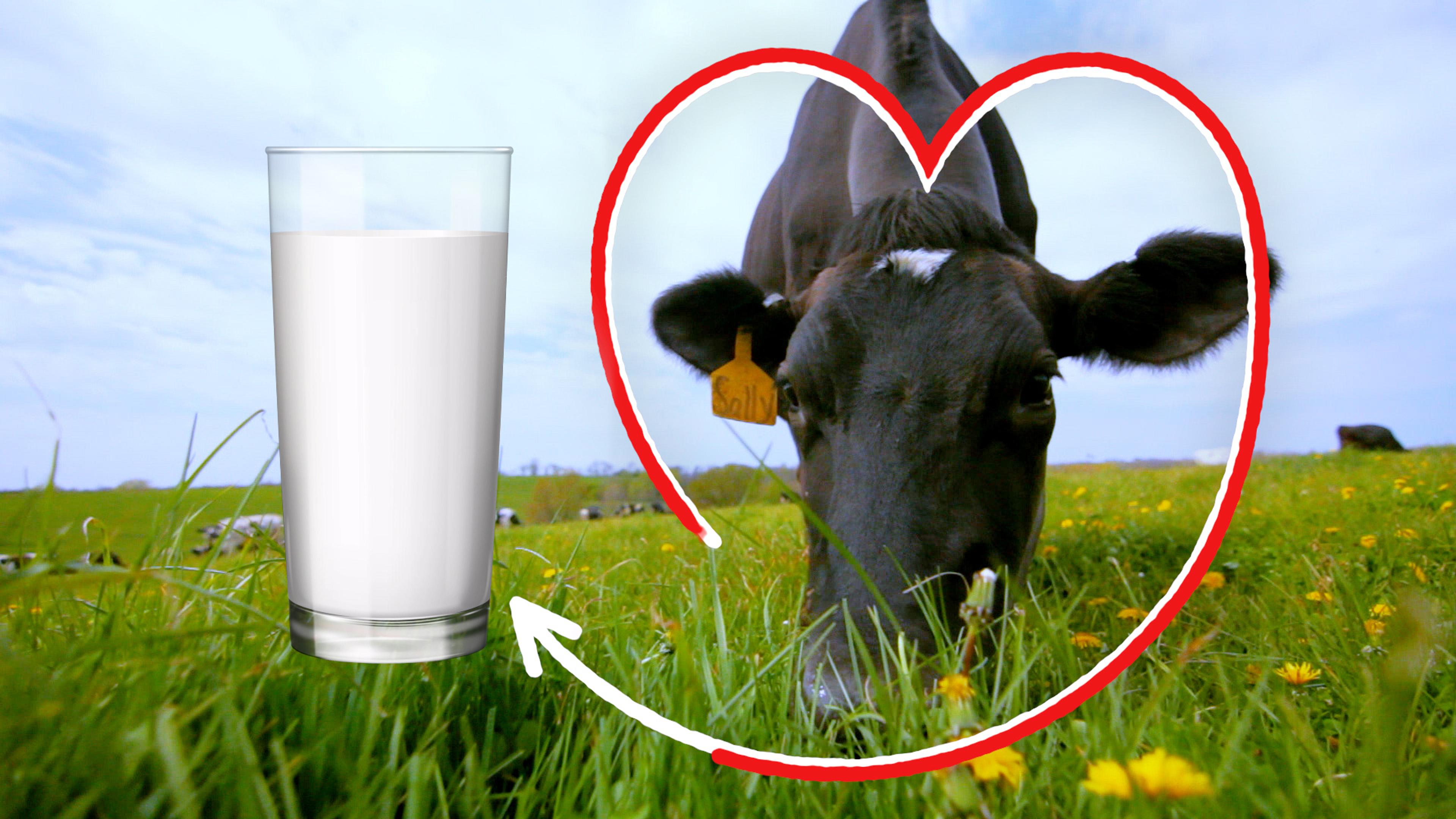
Production of milk
Milk production depends on nutrients and hormones.
Milk let-down
- Triggered by stimulation during milking
- Hormone oxytocin released
- Causes contraction of muscles → milk flow
Important
Stress releases adrenaline, which blocks milk let-down.
Dairy farming systems
Spring-calving system (Ireland)
- Most common in Ireland
- Calving occurs Feb–April
- Matches peak milk production with grass growth
- Reduces feed costs and increases profitability
Liquid milk system
- Year-round calving
- Constant milk supply
- Higher costs but stable income
Creamery system
- Seasonal production
- Focus on milk solids for butter and cheese
Nutrition and feeding
- Dairy systems in Ireland are grass-based
- Rotational grazing maximises grass use
- Silage used in winter
- Concentrates used in early lactation and for high-yielding cows
- Good nutrition increases:
- milk yield
- milk solids
Milking systems
- Most cows are milked twice daily
- Milking parlours allow efficient milking of large herds
- Milk is stored in bulk tanks and cooled to 4°C
- Machine milking replaces hand milking on modern farms
Lactation of a dairy cow
Lactation stages
| Stage | Time after calving | Characteristics |
|---|---|---|
| Early lactation | 0–3 months | High energy demand |
| Mid lactation | 4–7 months | Stable production |
| Late lactation | 7–10 months | Declining yield |
- Lactation lasts 305 days
- Dry period lasts 60 days
Lactation curve
- Peak yield at ~70 days
- Gradual decline after peak
- Good management improves persistency

Animal health
Maintaining herd health is essential.
- Mastitis – infection of the udder, reduces milk quality
- Lameness – affects movement and grazing
- Milk fever – calcium deficiency after calving
- Ketosis – energy deficiency in early lactation
Important
Good hygiene and nutrition reduce disease risk.
Factors affecting milk yield
- Genetics (breed and individual cow)
- Nutrition (quality and quantity of feed)
- Age (peak at 3rd lactation)
- Milking frequency
- Health status
- Environment (housing, comfort)
Factors affecting milk composition
- Breed (Jersey vs Holstein)
- Stage of lactation
- Nutrition (especially fibre intake)
- Health (mastitis reduces quality)
Sale of milk
A+B−C pricing system
- A = protein
- B = fat
- C = processing cost
Farmers are rewarded for high-quality milk.
Milk quality tests
- TBC: <100,000/ml
- SCC: <400,000/ml
- Temperature: 4°C
- Antibiotic testing
- Sediment testing
- Water adulteration testing
Hygiene in dairy farming
- Clean housing and bedding
- Wash udders before milking
- Teat dipping after milking
- Clean equipment after use
- Proper milk storage
Economic and sustainability considerations
- Profit depends on:
- milk yield
- milk solids
- feed costs
- Grass-based systems reduce costs
- Environmental concerns include emissions and waste management
Summary
Key Points to Remember:
- Dairy cows must calve once per year to maintain milk production
- Grass-based systems dominate Irish dairy farming
- Holsteins maximise volume; Jerseys maximise quality
- Milk production depends on nutrition, health, and management
- Mastitis is the most important disease affecting milk quality
- A+B−C system rewards high fat and protein content
- Efficient reproduction, feeding, and hygiene are essential for profitability