Energy resources (Edexcel GCSE Physics Combined Science): Revision Notes
📚Revision Notes
Energy resources
Note
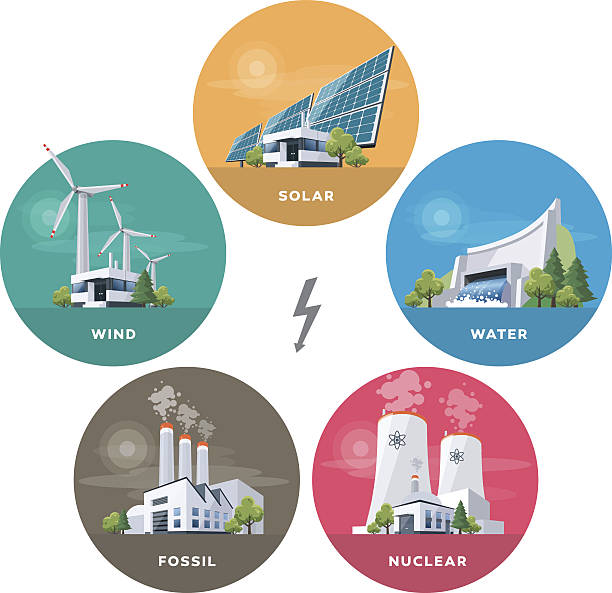
Energy resources can be divided into two main categories: Non-renewable and Renewable.
Non-Renewable Energy Resources
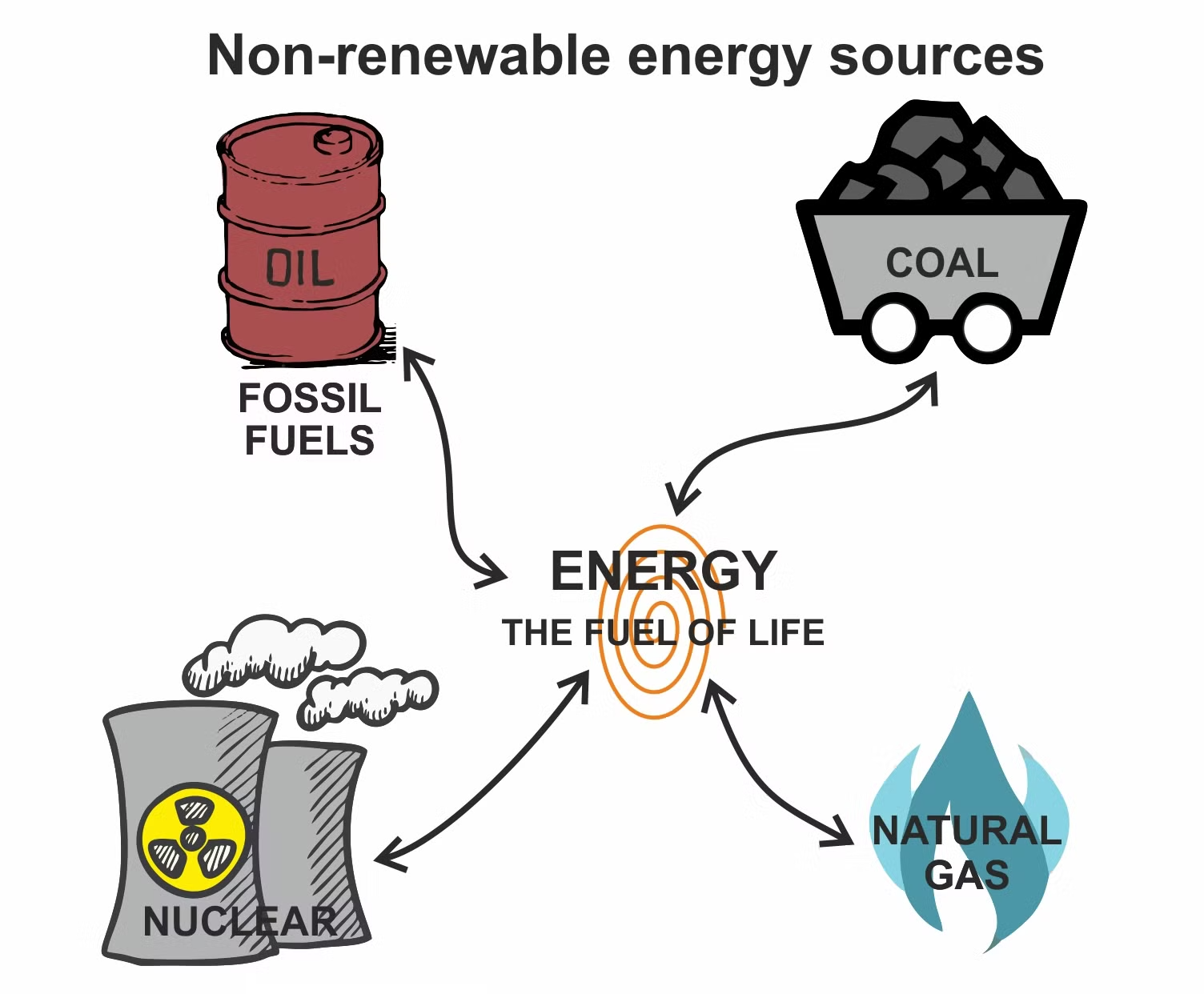
Non-renewable energy resources will eventually run out and cannot be replenished once used.
Note
They include:
Fossil Fuels:
Fossil fuels are natural resources that formed underground over millions of years from the remains of ancient plants and animals.
These fuels are burned to produce energy and are the main source of energy for most of the world.
Advantages of Non-Renewable Energy Resources:
Disadvantages of Non-Renewable Energy Resources:
- Reliable: There is still plenty of fossil fuel available to meet current global energy demands.
- Finite Supply: Fossil fuels are slowly running out and will eventually be depleted.
- Quick Response to Demand: Power plants that use fossil fuels can store fuel and respond quickly to changes in energy demand.
- Cost-effective: Fossil fuels are cheap to extract and fossil fuel power plants are relatively cheap to build and run.
Nuclear power plants are more expensive to build and maintain but can provide large amounts of energy.
- Environmental Problems:
- Burning fossil fuels releases carbon dioxide (CO₂), contributing to the greenhouse effect and global warming.
- Burning coal and oil releases sulphur dioxide (SO₂), which causes acid rain, damaging ecosystems and buildings.
- Oil spillages cause serious damage to wildlife, especially mammals and birds that live in and around the sea.
- Nuclear power is clean in terms of emissions, but it produces radioactive waste that is dangerous and difficult to dispose of. There is always a risk of nuclear disasters, such as the Fukushima disaster in Japan.
Renewable Energy Resources
Note
Renewable energy resources are sources that will never run out.
Note
These include:
- Bio-fuels
- Wind power
- Solar power (Sun)
- Hydroelectric power
- Tidal power
Advantages of Renewable Energy Resources:
- Will not run out: Renewable resources can be replenished naturally and will never be exhausted.
- Environmentally friendly: Although renewable energy sources still cause some environmental damage, it is generally less harmful compared to non-renewable sources (e.g., no greenhouse gases from solar and wind energy).
Environmental Problems of Non-Renewable Energy
Disadvantages of Renewable Energy Resources:
- Greenhouse Gas Emissions:
- Burning fossil fuels releases large amounts of carbon dioxide (CO₂), which contributes to the greenhouse effect and accelerates global warming.
- Acid Rain:
- Burning coal and oil releases sulphur dioxide (SO₂), which reacts with water vapour in the atmosphere to form acid rain.
- Acid rain damages forests, lakes, and buildings. The impact of acid rain can be reduced by removing sulphur from the fuel before burning it or by cleaning emissions.
- Oil Spillages:
- Accidental oil spills have devastating effects on marine wildlife, affecting birds, fish, and mammals that live in or near the sea.
- Nuclear Waste:
- Although nuclear power doesn't produce harmful gases, it generates radioactive waste, which is dangerous and difficult to dispose of safely.
- There is also the risk of nuclear disasters, such as the Fukushuma disaster in Japan, which can have long-lasting environmental and health impacts.
- Unreliable: Many renewable energy sources are dependent on weather conditions or other natural factors:
- Solar power needs sunlight, so it's less effective on cloudy days or at night.
- Wind power relies on windy conditions.
- Hydroelectric power needs sufficient rainfall to maintain water levels.
- Lower energy output: Renewable sources often do not produce as much energy as non-renewable sources, making them less effective in meeting large-scale energy demands quickly.