Food Spoilage (Junior Cert Home Economics): Revision Notes
📚Revision Notes
Food Spoilage
What is Food Spoilage?
- Definition: Food spoilage occurs when food goes off and becomes unsafe or unpleasant to eat.
- Causes: Spoilage depends on the type of food and how it has been stored.
Causes of Food Spoilage:
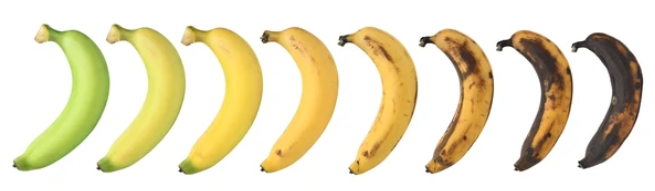
- Enzymes:
- Enzymes are natural chemicals in fruits and vegetables.
- They cause ripening, over-ripening, and eventually rotting.
- Refrigeration slows down enzymatic activity.
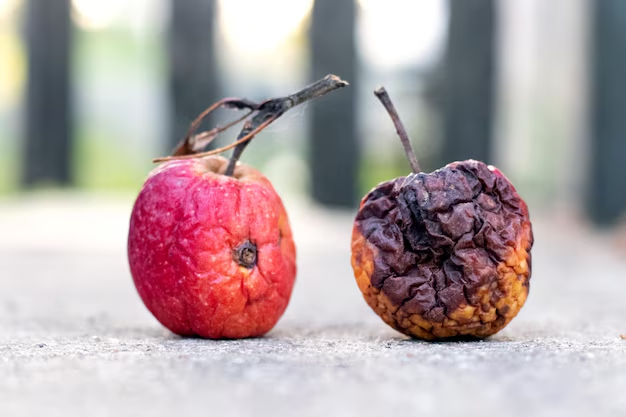
- Moisture Loss:
- Fruits and vegetables lose moisture after harvest as they are no longer absorbing water from the soil.
- Foods like bread and cheese can dry out and shrink if not covered properly.
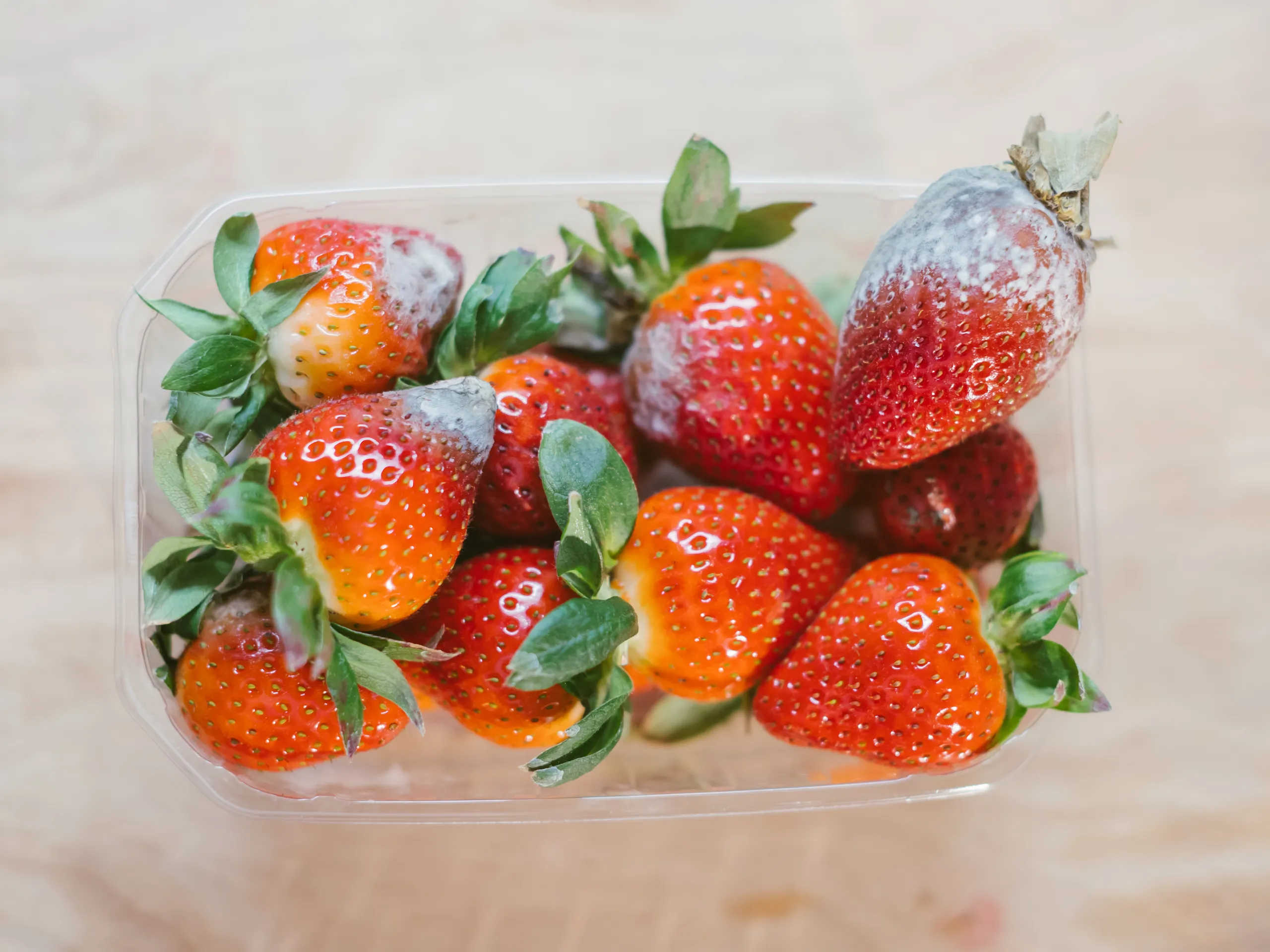
- Microorganisms:
- Tiny living organisms such as bacteria and fungi (e.g., yeasts and moulds).
- Visible moulds are often discarded due to spoilage.
- Bacteria are invisible and can cause foodborne illnesses if consumed.
Slowing Down Food Spoilage:
- Food spoilage can never be completely prevented, but it can be slowed down.
- Refrigeration and freezing slow bacterial and mould growth.
- Sealed containers protect food from air, moisture, and pests.
- Dry storage prevents mould and keeps foods like grains safe.
- Proper storage keeps food safe to eat and reduces the risk of food poisoning.
- It also helps maintain the taste, texture, and nutritional value of food for longer.
- Good storage reduces waste and saves money.