Milk Processing (Junior Cert Home Economics): Revision Notes
📚Revision Notes
Milk Processing
Milk
- Milk is called a complete food because it contains all the main nutrients the body needs—protein, fat, carbohydrate, vitamins, and minerals—in one source.
- Types of Milk: Cow's milk is the most common, but milk from goats, sheep, buffalos, and camels is also used. Alternatives like soya milk are available.
- People in Ireland are the third-highest consumers of milk globally, drinking an average of 130 litres per year.
Note
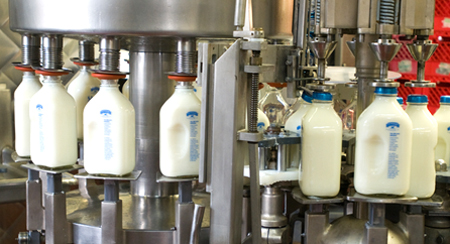
Pasteurisation is the process of heating food or drink to kill harmful bacteria and extend shelf life.
Note
Homogenisation is the process of breaking down fat particles in milk to evenly distribute them and prevent separation, creating a smooth texture.
Processing
Milk is processed to:
- Make it safe to drink.
- Extend its shelf life (how long it stays fresh).
- Improve its flavour.
Pasteurisation
- Milk is heated to 72°C for 25 seconds to kill harmful bacteria (without changing the taste).
- This process kills vitamin C but helps milk last 3-4 days in the fridge.
Homogenisation
- Homogenisation spreads out the fat in milk, giving it a smoother flavour.
- It happens after pasteurisation.
Note
Key Detail: Milk is heated to 72°C for 25 seconds.